Disabled Toilet
-
$93.78 inc GSTPrice:$85.25 ex GST
-
$93.78 inc GSTPrice:$85.25 ex GST
-
$93.78 inc GSTPrice:$85.25 ex GST
-
$93.78 inc GSTPrice:$85.25 ex GST
-
$93.78 inc GSTPrice:$85.25 ex GST
-
$93.78 inc GSTPrice:$85.25 ex GST
-
$93.78 inc GSTPrice:$85.25 ex GST
-
$93.78 inc GSTPrice:$85.25 ex GST
-
$93.78 inc GSTPrice:$85.25 ex GST
-
$93.78 inc GSTPrice:$85.25 ex GST
-
$93.78 inc GSTPrice:$85.25 ex GST
-
$93.78 inc GSTPrice:$85.25 ex GST
-
$50.30 inc GSTPrice:$45.73 ex GST
-
$50.30 inc GSTPrice:$45.73 ex GST
-
$50.30 inc GSTPrice:$45.73 ex GST
-
$50.30 inc GSTPrice:$45.73 ex GST
-
$50.30 inc GSTPrice:$45.73 ex GST
-
$50.30 inc GSTPrice:$45.73 ex GST
-
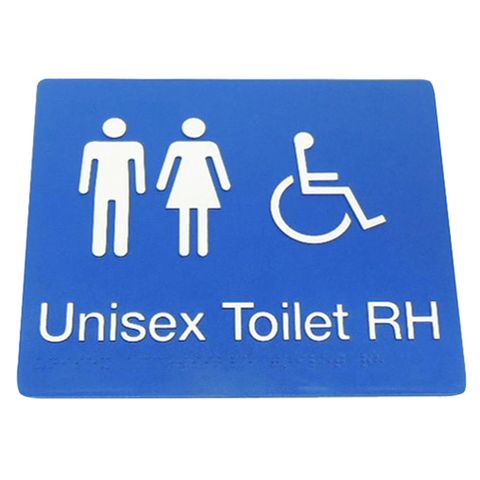
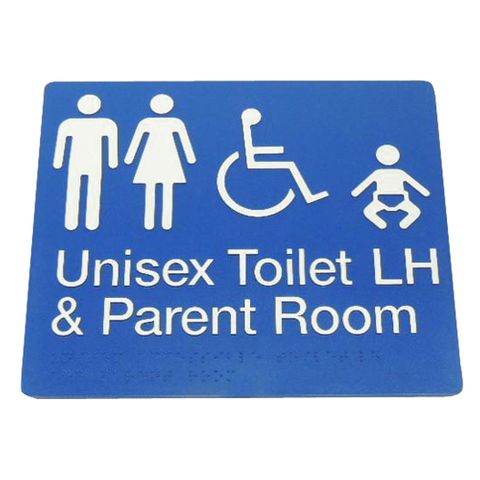
FDTLH-BLUEStock Level:Available to Order$50.30 inc GSTPrice:$45.73 ex GST
-
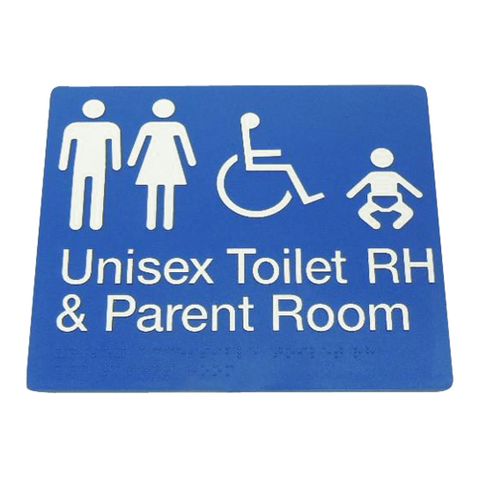
FDTRH-BLUEStock Level:Available to Order$50.30 inc GSTPrice:$45.73 ex GST
-
$50.30 inc GSTPrice:$45.73 ex GST
-
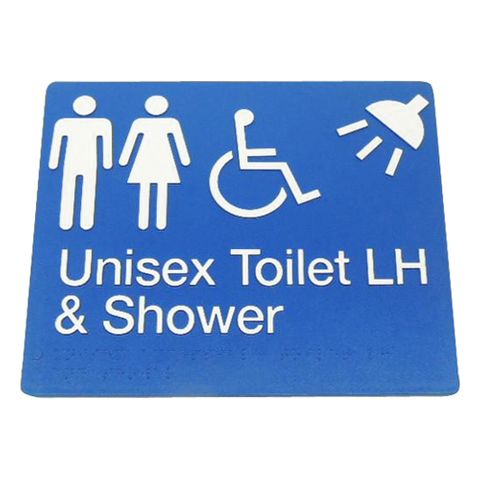
FDTSLH-BLUEStock Level:Available to Order$50.30 inc GSTPrice:$45.73 ex GST
-
FDTSRH-BLUEStock Level:Available to Order$50.30 inc GSTPrice:$45.73 ex GST
-
$50.30 inc GSTPrice:$45.73 ex GST
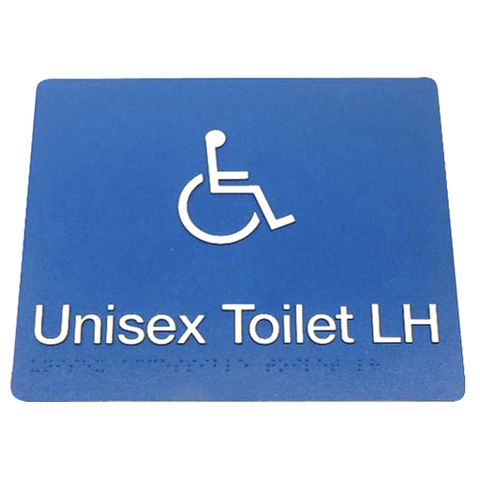
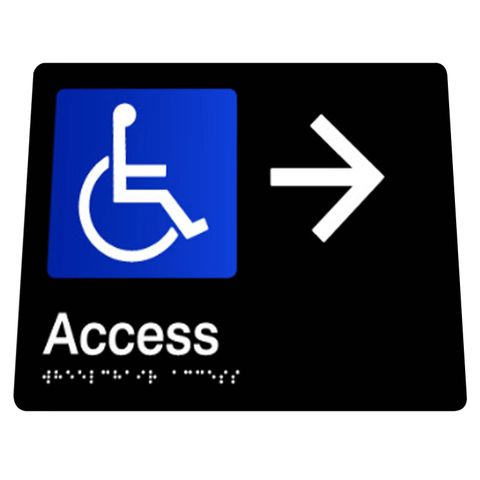
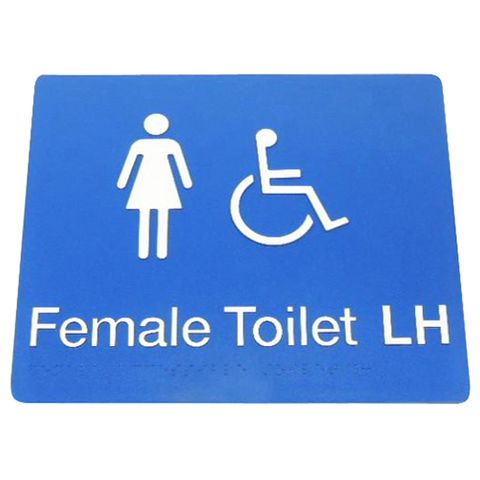
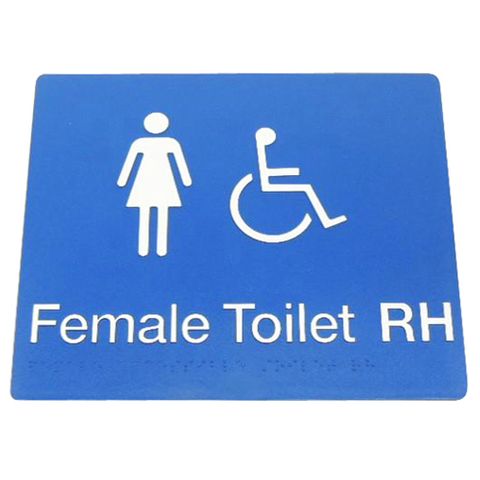
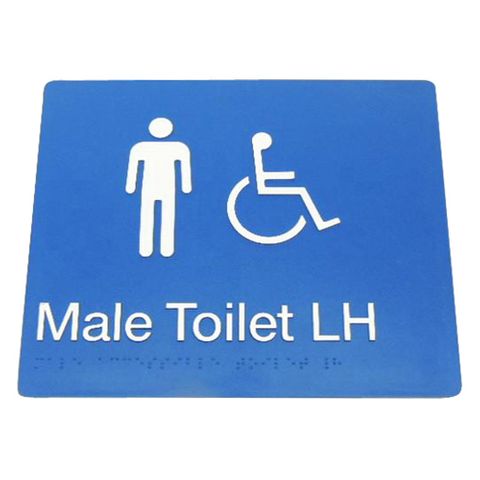
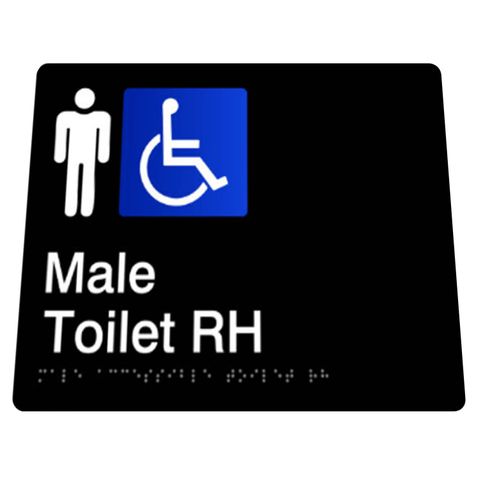
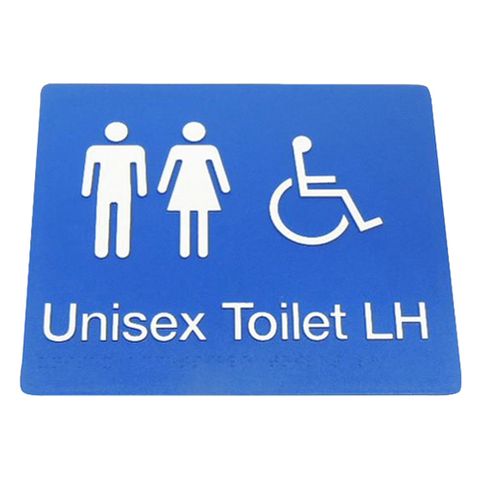
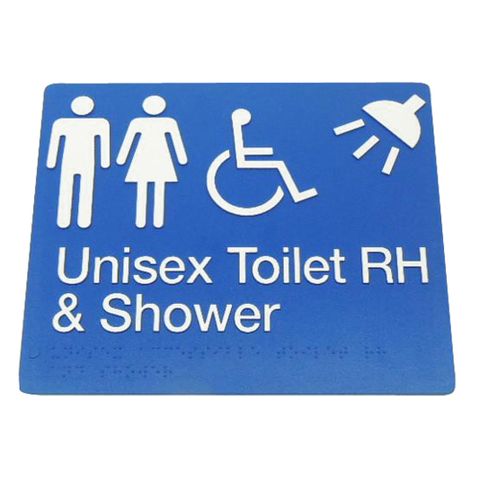
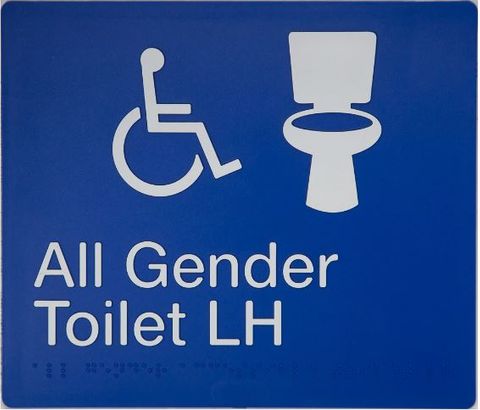
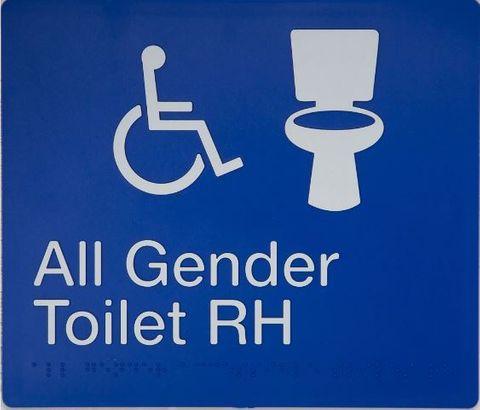
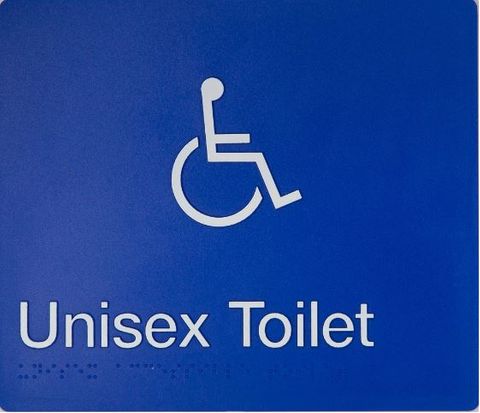
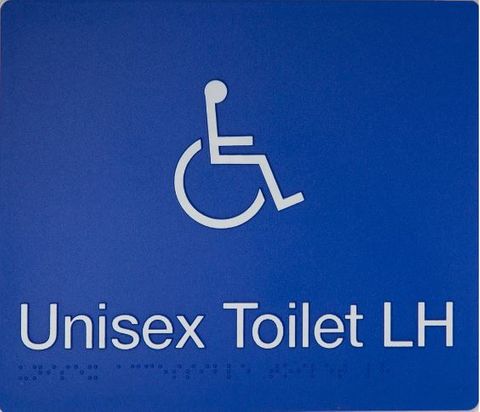
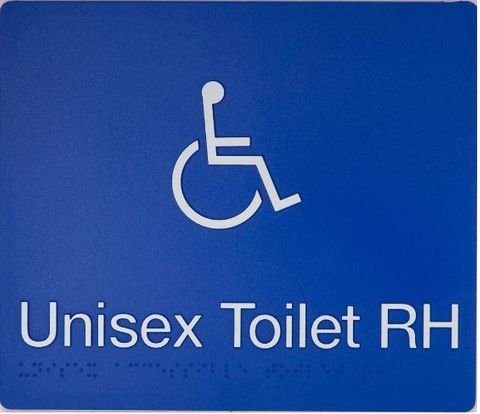
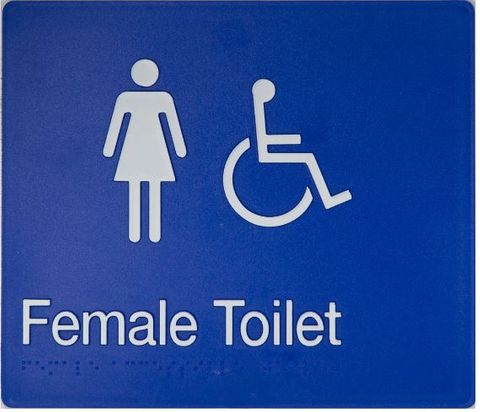
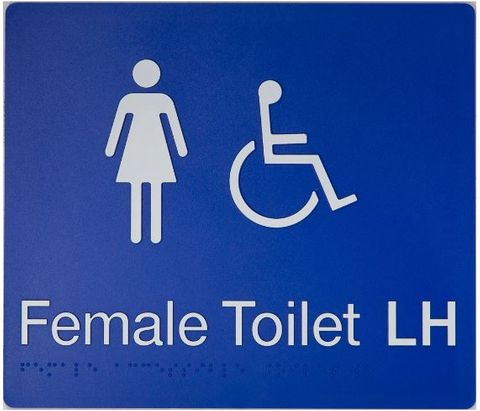
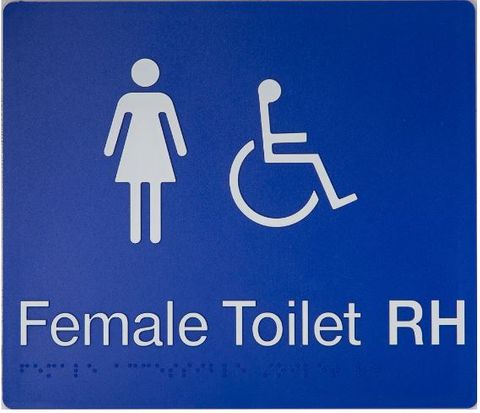
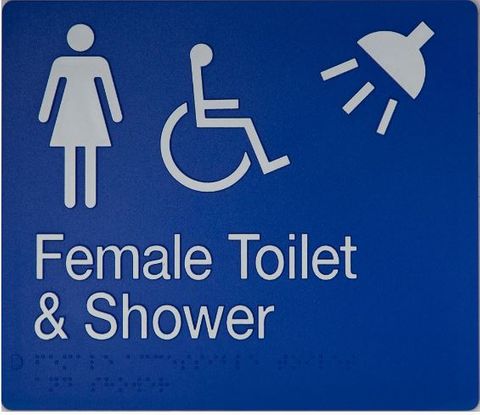
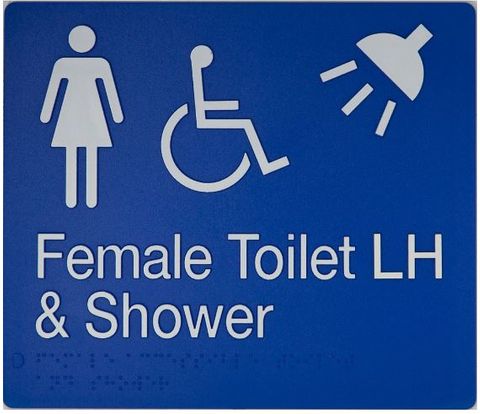
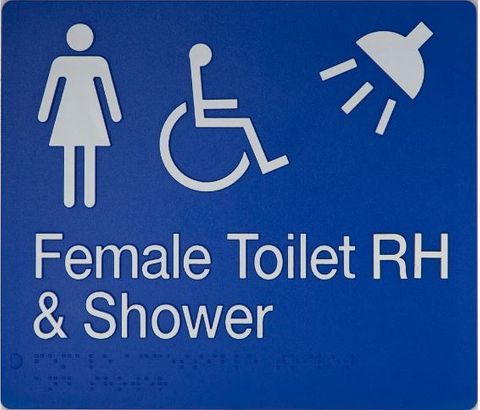
Disabled Toilet Door Hardware
Disabled toilet doors (accessible bathroom doors) need hardware that’s easy to operate, durable under frequent use, and consistent across a facility. From public amenities and shopping centres to workplaces, education and healthcare, this category brings together a complete range of disabled toilet door hardware to support practical access, privacy and smooth day-to-day function. Whether you’re fitting out a new facility or upgrading an existing amenity, you can buy disabled toilet door hardware online with John Barnes Group and build a coordinated solution across handles, locks and latches, indicator bolts, hinges, closers, stops, strikes and finishing accessories—suited to residential and commercial projects Australia-wide.
What Makes Disabled Toilet Door Hardware Different?
In an accessible toilet environment, the “feel” of the door matters as much as the look. Hardware needs to be intuitive, comfortable to grip, and reliable for all users, including people with reduced dexterity or mobility. Good selection also reduces maintenance call-outs by preventing common issues like doors not latching, heavy doors slamming, or hardware loosening over time. While requirements vary by project, a well-specified set of architectural door hardware typically focuses on usability, visibility, durability, and consistent operation—especially in high-traffic amenities across Brisbane, Queensland, New South Wales and beyond.
Key Benefits for Accessible Toilet Fitouts
Easy Operation and Clear Privacy Function
Lever handles, accessible turns, and clear occupied/vacant indication help users understand how to lock and unlock quickly. When the handle and latch action is smooth and predictable, users don’t have to fight the door to get privacy.
Durability for High-Traffic Bathrooms
Public and commercial disabled toilets can see heavy daily use. Choosing robust locks, hinges and door control components helps doors stay aligned and reduces wear, wobble and loosening at key touch points.
Consistent Hardware Across Sites
Facilities teams often benefit from standardising disabled toilet door hardware across a building or portfolio. Consistency makes repairs easier, keeps user experience uniform, and helps maintain a professional finish throughout amenities and change rooms.
Popular Applications
Commercial Buildings and Office Amenities
Accessible toilets in offices, shared amenities and end-of-trip facilities often require a polished, contemporary look with reliable privacy hardware. Coordinated lever furniture with an indicator bolt and dependable door closers can keep doors operating smoothly all day.
Retail, Hospitality and Public Venues
Shopping centres, restaurants, stadiums and entertainment venues demand hardware that stands up to constant use. In these settings, durable Lockwood locking and latching options are commonly chosen for reliability, while Dormakaba door control solutions can help prevent slamming and improve controlled closing.
Healthcare, Aged Care and Education
In healthcare and education, accessible toilet hardware selection often prioritises safety, robust operation and easy cleaning. Smooth, easy-to-grip handles and strong fixings can reduce faults and downtime, while careful door control can improve comfort and reduce noise in corridors.
What’s Included in Disabled Toilet Door Hardware
Handles, Levers and Pull Handles
Lever handles are a common choice for disabled toilet doors because they’re generally easier to use than knobs and suit a wide range of users. Depending on the design, you may also see pull handles (including D-pulls) used on the outside face for a clean, commercial look or to improve usability. Design-forward options from Zanda and Barben can help achieve a modern, premium finish while keeping the grip feel comfortable and consistent across the fitout.
Indicator Bolts and Privacy Sets
Indicator bolts (occupied/vacant) and privacy hardware are frequently used for disabled toilets to provide clear status at a glance. Many projects also require an emergency access/override function (varies by building and facility needs), so selecting a compatible, fit-for-purpose privacy solution is an important part of the overall hardware system.
Locks, Latches and Cylinders
Some disabled toilets are configured with privacy indication only, while others may include keyed access (for example, where amenities are controlled for staff or after-hours use). This is where locks and latches—and compatible cylinders if keyed—become part of the specification. Lockwood solutions are often selected where strength and dependable performance are priorities, and Dormakaba ranges are frequently specified in commercial environments where reliability and integration with door control matters.
Hinges, Continuous Hinges and Pivot Options
Hinge selection affects how smoothly the door moves and how well it stays aligned over time. For high-traffic amenities, heavy-duty hinges or continuous hinge solutions can help distribute load and reduce sag. Where a project uses pivoting doors or special door configurations, hardware should be selected to match the door weight, frequency of use and desired feel.
Door Closers and Control
Door closers are common in commercial disabled toilets to support controlled closing, reduce slamming, and improve latch reliability—especially where users may not fully close the door behind them. A properly matched closer can also improve accessibility by keeping the closing action predictable and consistent. Dormakaba door closer options are often specified in commercial fitouts for stable performance and long-term reliability.
Bolts, Flush Bolts and Ancillary Door Security
While many disabled toilet doors use privacy hardware rather than additional bolts, some projects require ancillary bolting or specialised configurations (such as double doors in certain facility layouts). Selecting bolts and accessories that suit the door construction and intended use helps maintain alignment and reduces door handling issues.
Strikes, Keeps, Plates and Door Edge Accessories
Even premium hardware can underperform if the strikes and keeps are mismatched or poorly coordinated. Strike plates, keeps, escutcheons and backplates help deliver clean alignment and a finished look. In high-use bathrooms, choosing durable plates and correctly matched strike/keep combinations can reduce rattles, improve latch engagement and extend service life.
Door Stops, Hold-Open Options and Protection
Door stops protect doors, walls and adjacent fixtures—especially important in compact toilet lobbies and accessible cubicles where clearances matter. Floor stops and wall stops help prevent impact damage, while selected hold-open solutions can support cleaning and maintenance routines where appropriate.
Finishing Details
Depending on the site, you may also include small finishing items such as threshold plates, minor sealing details, or signage/wayfinding accessories to complete the amenity. These are typically selected to match the overall hardware finish and the facility’s durability needs.
How to Choose the Right Disabled Toilet Door Hardware
Start With the Door Function and User Flow
Is the door internal or external to a corridor? Is it a single accessible toilet, part of a multi-cubicle amenity, or within a secure tenancy? Define whether you need passage-only, privacy indication, or keyed access. Then select a handle and locking/indicating solution that feels intuitive and consistent.
Match the Hardware to Door Construction and Usage
Timber, metal and partition-style doors can require different fixings and hardware formats. For high-traffic sites, prioritise robust hinges/continuous hinges, durable lever furniture, and door control that keeps doors closing reliably. Where maintenance teams are involved, standardising across Lockwood, Dormakaba, Zanda and Barben ranges can simplify servicing and future replacement.
Prioritise Consistency and Maintainability
Accessible toilet doors are a high-touch environment. Choosing a consistent family of finishes and compatible components (handles, indicator bolts, latches, strikes and stops) helps avoid mismatched performance and reduces the likelihood of loose parts and repeated adjustments.
Finishes and Style for Modern Amenities
Disabled toilet hardware doesn’t have to look purely utilitarian. Many modern commercial fitouts specify matte black for a contemporary look, stainless steel for durability and easy upkeep, or brass-toned finishes where the wider project has a warm, premium palette. Coordinating finishes across lever handles, indicator bolts, plates, hinges and accessories helps create a cohesive amenity that feels intentional and professional—an important detail in high-visibility spaces like retail centres, hospitality venues and corporate offices.
Local Support in Brisbane, Queensland, New South Wales and Australia-Wide
John Barnes Group supports disabled toilet and accessible amenity fitouts across Brisbane and greater Queensland, with solutions suited to everything from office upgrades to high-traffic public venues. We also assist projects throughout New South Wales and offer Australia-wide delivery through our online store, making it easier to source consistent architectural door hardware for multi-site portfolios, staged refurbishments, and new builds.
Frequently Asked Questions
What hardware is typically required for a disabled toilet door?
Most disabled toilet doors use an easy-to-operate handle (commonly a lever), a privacy solution such as an indicator bolt (occupied/vacant), suitable hinges, and often a door closer in commercial settings. Many projects also include compatible strikes/keeps, protective door stops, and finishing plates or escutcheons for a clean, durable result.
Do disabled toilet doors need an indicator bolt?
Indicator bolts are commonly used because they provide clear occupied/vacant status and straightforward privacy operation. The best choice depends on the facility’s requirements and the door’s intended access control (privacy-only versus keyed access).
Can disabled toilet doors be keyed as well as privacy-indicated?
Yes. Some sites require keyed access for staff-only amenities, after-hours security, or controlled tenancies. In those cases, you’ll typically select a compatible lock/latch and cylinder arrangement that works alongside the desired user experience.
Are lever handles better than knobs for accessible toilets?
Lever handles are widely preferred in accessible environments because they’re generally easier to operate for a broader range of users. Many projects also add pull handles (such as D-pulls) where it improves usability or suits the design direction.
Should I install a door closer on a disabled toilet door?
In commercial settings, closers are commonly used to help ensure the door closes reliably, reduces slamming, and supports consistent latching. For lower-traffic areas, closer selection depends on door location, user needs and the overall fitout requirements.
What hinges are best for high-traffic disabled toilets?
For busy amenities, heavy-duty hinges or continuous hinge solutions are often used to support alignment and reduce sag over time. The best option depends on door weight, construction and frequency of use.
Which finishes work best in commercial amenities?
Stainless steel is a popular choice for durability and easy maintenance, while matte black suits contemporary interiors. Brass-toned finishes can work well in premium projects where warmer design palettes are used. Consistency across handles, privacy hardware, plates and accessories is the key to a cohesive result.
Which brands are commonly specified for disabled toilet door hardware?
Lockwood is widely selected for dependable locking and latching, and Dormakaba is commonly specified for commercial door control and high-use performance. For modern, design-forward lever furniture and coordinated accessories, Zanda and Barben ranges can help deliver a premium, consistent look across the fitout.
Why Choose John Barnes Group?
John Barnes Group helps you specify complete disabled toilet door hardware solutions that balance usability, durability and a clean architectural finish. With trusted performance options from Dormakaba and Lockwood, plus premium, design-led choices from Zanda and Barben, you can build consistent amenity hardware across handles, privacy hardware, hinges, closers and accessories. Based in Brisbane and supporting Queensland, New South Wales and Australia-wide delivery, we make it easier to source the right hardware for accessible toilet upgrades and new fitouts.