Revolving
-
$39.90 inc GSTPrice:$36.27 ex GST
-
$44.40 inc GSTPrice:$40.36 ex GST
-
$42.16 inc GSTPrice:$38.33 ex GST
-
$44.08 inc GSTPrice:$40.07 ex GST
-
$42.10 inc GSTPrice:$38.27 ex GST
-
$46.62 inc GSTPrice:$42.38 ex GST
-
$76.63 inc GSTPrice:$69.66 ex GST
-
$78.24 inc GSTPrice:$71.13 ex GST
-
$92.02 inc GSTPrice:$83.65 ex GST
Revolving Door Hardware
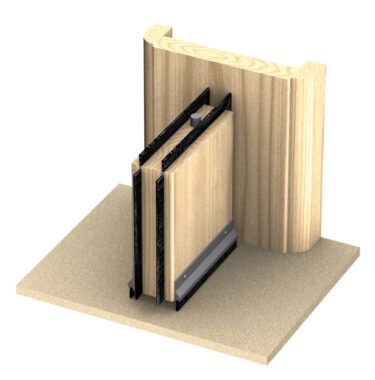
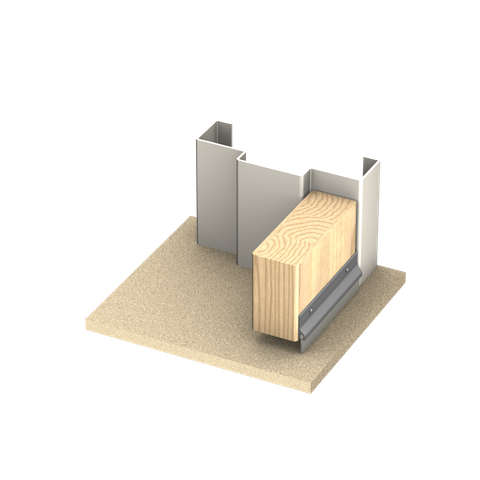
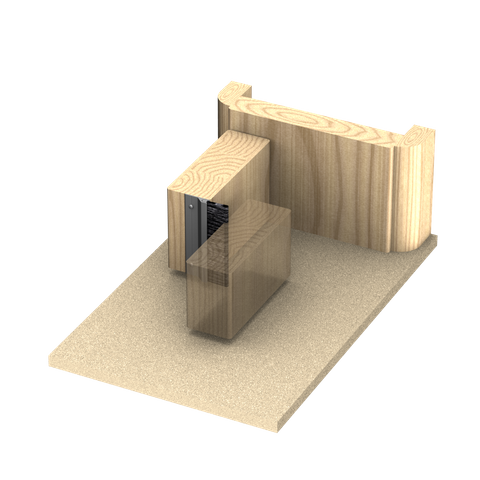
Revolving doors are a premium, high-performance entry solution for commercial buildings, hospitality venues, healthcare, retail centres and high-traffic foyers across Australia. Designed to manage constant foot traffic while helping stabilise internal conditions, revolving doors rely on a complete set of specialised hardware to operate smoothly, safely and securely. In this category, you’ll find revolving door hardware and compatible architectural door hardware accessories—covering handles and pulls, locks and latches, cylinders (where required), pivot and bearing components, speed control and door control hardware, bolts, stops, strikes/plates and practical accessories for maintenance and upgrades. Whether you’re specifying a main entrance in Brisbane, servicing a site across Queensland, supporting a project in New South Wales, or ordering Australia-wide, John Barnes Group makes it easy to buy revolving door hardware online with confidence.
Why Revolving Doors Need Purpose-Built Hardware
Unlike hinged or sliding doors, revolving doors rotate around a central shaft or pivot assembly and typically incorporate multiple wings, curved enclosures and entry/exit zones that must remain aligned. That means hardware selection isn’t just about appearance—it’s about performance: stable rotation, controlled speed, safe user movement, consistent alignment, reliable security after hours, and an entry experience that feels smooth and premium. The right hardware also supports long-term durability in high-cycle environments, reducing vibration, wear and call-backs.
Key Benefits for Commercial and Premium Entrances
Controlled Movement for High-Traffic Use
Revolving doors often serve as the “front door” of busy buildings. Correctly selected door control components help regulate rotation and prevent fast spins, improving user comfort and protecting the door assembly over time. In many projects, door control solutions from Dormakaba are specified where consistent, commercial-grade performance is essential.
Security and After-Hours Control
For many sites, the revolving door sits at the primary entry line, so security hardware matters. Locking options, cylinders (where applicable), and compatible strikes/receivers help support secure closure and controlled access, particularly when paired with broader site security strategies. Lockwood solutions are commonly chosen where dependable, robust locking and keying outcomes are a priority.
Architectural Finish and Brand Presence
Revolving doors are often a statement piece—so finishes and touchpoints count. Handles, pulls, and visible plates can be selected to match modern, contemporary and premium interiors. Matte black can deliver a sharp, modern contrast, stainless steel suits durable commercial environments, and warmer tones (including brass accents) can elevate high-end foyers. For projects where the hardware is part of the design narrative, Zanda and Barben options can help deliver a cohesive, architectural feel across the broader fitout.
Common Applications for Revolving Door Hardware
Commercial Towers and Corporate Lobbies
In CBD and high-rise lobbies, hardware is chosen for high-cycle use, clean aesthetics and reliable control. Door control, secure locking strategies and consistent “touch points” (pulls, push bars and plates) are often prioritised to maintain a premium user experience.
Retail Centres and High-Flow Public Entrances
Retail environments demand durability and safety. Hardware selections often focus on controlled rotation, impact protection, and easy-to-maintain surfaces like stainless steel. Where access is managed after hours, lock and cylinder strategies become a core part of the specification.
Hotels, Hospitality and Premium Residential Developments
In hospitality foyers and premium developments, the emphasis is often on quiet operation, refined finishes and a luxurious first impression. Design-consistent pulls, plates and coordinated architectural hardware can be selected to align with the broader entry hardware package.
What’s Included in Revolving Door Hardware
Handles, Pulls, Push Bars and Touchpoint Hardware
Touchpoint hardware shapes the day-to-day experience. Revolving doors commonly use pulls or push-point hardware designed for comfortable grip and intuitive movement. For high-traffic sites, selecting durable materials and finishes reduces visible wear. Where the revolving entry must match nearby hinged doors or internal glass partitions, coordinating finishes and profiles with Zanda or Barben design-led ranges can keep the entire entry zone consistent.
Locks, Latches and Securing Hardware
Security needs vary by site, but many revolving doors incorporate locking or securing hardware for after-hours control, restricted access periods, or staged building operations. Depending on the door assembly and building requirements, this may involve lock bodies, locking points, or compatible components that work with the overall entry system. Where keyed security is required, Lockwood-compatible solutions and keying strategies can support consistent outcomes across a site or multi-site portfolio.
Cylinders and Keying (Where Applicable)
Some revolving door setups incorporate cylinders for keyed access control in specific modes or for securing certain components. When cylinders are used, compatibility and keying strategy are crucial—especially for commercial environments that require consistent access control across multiple doors, tenancies or facilities.
Pivot, Bearing and Rotation Components
Revolving doors rely on pivoting and bearing assemblies rather than traditional butt hinges. The correct components help maintain alignment, reduce friction, and support smooth rotation. Because revolving assemblies are engineered systems, it’s important to select compatible parts and service components that suit the door’s size, usage frequency and operating style.
Door Control: Speed Regulation and Controlled Rotation
Controlled motion is a defining performance feature of revolving doors. Speed regulation hardware helps manage rotation for comfort and safety, particularly in busy lobbies and retail entrances. In many commercial specifications, Dormakaba door control solutions are chosen to support consistent, professional-grade operation and long-term reliability.
Bolts, Stops, Positioning and Protection Hardware
Stops and positioning components help protect the door and surrounding glazing by limiting movement where required and helping maintain consistent alignment at entry/exit points. In high-traffic environments, protective accessories can reduce incidental impact and help preserve the door’s appearance over time.
Strikes, Plates and Finishing Accessories
Even in revolving door systems, the finishing details matter. Plates, receivers and compatible accessories help complete the hardware package visually and functionally—especially when the revolving entry is part of a larger suite of architectural door hardware across the building.
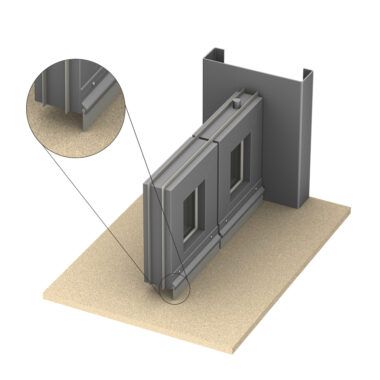
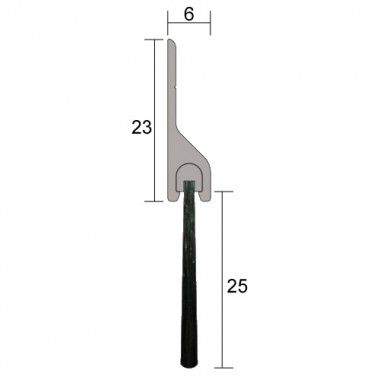
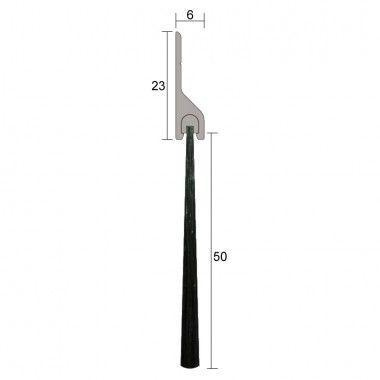
Seals and Threshold Details (Finishing Only)
Where relevant to the entry configuration, finishing components such as seals or threshold details may be used to refine comfort outcomes and reduce unwanted air movement at adjoining elements. These should be treated as supporting details, selected to suit the door assembly and overall entry design.
How to Choose the Right Revolving Door Hardware
Start with Door Operation and Usage
Is the door manual or automatic? Is it the main public entry or a controlled access point? Revolving door hardware should be selected to suit traffic volume, expected operating hours, and user demographics. Higher-cycle entries typically benefit from more robust touchpoint hardware, dependable control components and durable finishes.
Match Security Requirements to the Building
Security can range from simple after-hours securing through to integrated access control strategies depending on the site. Choose lock, cylinder and securing components that align with the building’s access plan, and aim for consistency across the facility—particularly in commercial and multi-site operations where Lockwood-style keying strategies are often used to simplify access management.
Coordinate the Finish Across the Entry Zone
Revolving doors rarely stand alone. They often sit beside swing doors, internal glazed partitions and other front-of-house architectural elements. Selecting consistent finishes—matte black, stainless steel, or warm metallic tones—helps create a cohesive entry experience. For premium projects, matching revolving door touchpoints with nearby hardware from Zanda or Barben can elevate the overall design and reduce the “mixed hardware” look.
Keep Maintenance and Replacement in Mind
Because revolving doors are high-use assets, choose hardware with long-term serviceability in mind. Selecting durable, commercial-grade components and consistent product families can make ongoing maintenance easier—particularly for facility managers handling multiple sites across Queensland, New South Wales and Australia-wide.
Finishes for Modern, Contemporary and Premium Projects
Finish selection is a practical choice as much as an aesthetic one. Stainless steel remains a popular option for commercial durability and high-touch hygiene considerations. Matte black suits modern and contemporary interiors, delivering strong contrast against glass and aluminium framing. Brass-toned details can add warmth and a premium feel in hospitality and high-end foyers, especially when coordinated across the full architectural door hardware package. The best results come from choosing one finish direction and carrying it through pulls, plates, locks and visible accessories.
Local Support in Brisbane, Queensland, New South Wales and Australia-Wide
John Barnes Group supports revolving door hardware requirements for projects and maintenance teams in Brisbane and throughout Queensland, while also servicing New South Wales and delivering Australia-wide through our online store. Whether you’re upgrading entry touchpoints, sourcing compatible locks and cylinders, or maintaining door control and rotation components, we help you keep revolving doors performing smoothly and presenting professionally across the life of the building.
Frequently Asked Questions
What hardware is typically used on a revolving door?
Revolving doors commonly use touchpoint hardware (pulls, push points or bars), securing hardware (locks and compatible components where required), rotation components (pivot/shaft and bearing elements), and door control or speed regulation hardware to support controlled movement. Many sites also include plates, stops and practical finishing accessories to protect the entry and maintain a consistent look.
Do revolving doors use standard hinges and door closers?
Most revolving doors don’t rely on standard butt hinges because they rotate around a central shaft or pivot assembly. Door control is usually handled through purpose-built components that manage rotation and movement, rather than typical swing-door closer formats. Selection should always be matched to the revolving door system and usage requirements.
Can I retrofit new handles or pulls onto an existing revolving door?
In many cases, yes—touchpoint hardware like pulls, push points and plates can often be refreshed to improve appearance and user comfort. The key is matching fixing method, size and finish to the existing door configuration so the upgrade is clean, secure and consistent with the entry design.
How do you secure a revolving door after hours?
After-hours security depends on the door system and building requirements, but may involve dedicated securing hardware, lockable components, and compatible cylinders where keyed control is part of the strategy. For commercial sites, consistent keying and robust locking approaches—often associated with Lockwood-style solutions—can help simplify access management.
Are revolving doors suitable for external building entrances in Australia?
Yes—revolving doors are widely used as external main entries in commercial settings. Hardware selection should be matched to expected traffic, exposure conditions and security requirements, with durable finishes like stainless steel often chosen for longevity and ease of maintenance.
What finishes work best for revolving door hardware?
Stainless steel is a common commercial choice for durability and a classic architectural look. Matte black suits modern, contemporary projects and pairs well with aluminium and glass. Brass-toned accents can add warmth and a premium feel in hospitality or high-end foyers, especially when coordinated with other architectural door hardware.
Can revolving door hardware be coordinated with the rest of a building’s door hardware?
Absolutely. Many projects aim to coordinate finishes and design language across the entry zone and internal doors. Pairing revolving door touchpoints with complementary hardware selections from Zanda or Barben, and aligning door control strategies with Dormakaba, can help deliver a consistent, premium result across the whole site.
What should facility managers prioritise when maintaining revolving doors?
Prioritise smooth operation, controlled rotation, secure after-hours settings, and consistent alignment of touchpoints and accessories. Choosing durable, service-friendly hardware helps reduce downtime and keeps the entry presenting professionally—especially for high-traffic buildings across Queensland, New South Wales and multi-site portfolios Australia-wide.
Why Choose John Barnes Group?
John Barnes Group helps you source revolving door hardware that supports smooth operation, reliable security and a premium entrance experience. With commercial-grade solutions from Dormakaba and Lockwood, and design-forward options from Zanda and Barben to coordinate finishes across your project, we make it easier to specify hardware that looks right and performs long-term. Based in Brisbane and supporting Queensland, New South Wales and Australia-wide delivery, we’re set up to supply both projects and ongoing maintenance needs with confidence.