Awning Window
-
$37.17 inc GSTPrice:$33.79 ex GST
-
$30.37 inc GSTPrice:$27.61 ex GST
-
$52.92 inc GSTPrice:$48.11 ex GST
-
$24.59 inc GSTPrice:$22.35 ex GST
-
$46.56 inc GSTPrice:$42.33 ex GST
-
$41.33 inc GSTPrice:$37.57 ex GST
-
$41.33 inc GSTPrice:$37.57 ex GST
-
$37.94 inc GSTPrice:$34.49 ex GST
-
$29.63 inc GSTPrice:$26.94 ex GST
-
$26.60 inc GSTPrice:$24.18 ex GST
-
$26.60 inc GSTPrice:$24.18 ex GST
-
$23.89 inc GSTPrice:$21.72 ex GST
-
$23.89 inc GSTPrice:$21.72 ex GST
-
$123.41 inc GSTPrice:$112.19 ex GST
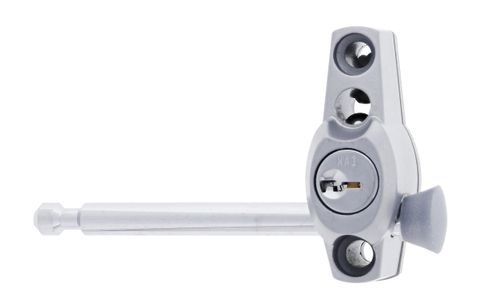
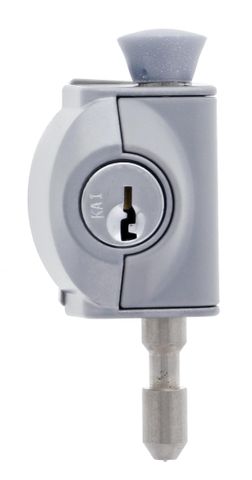
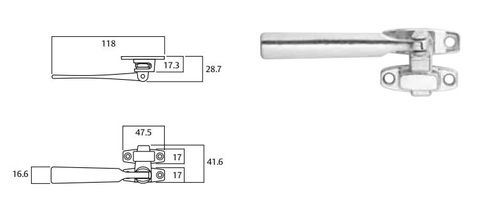
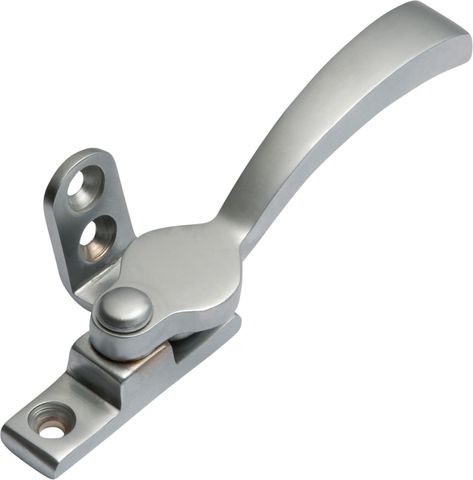
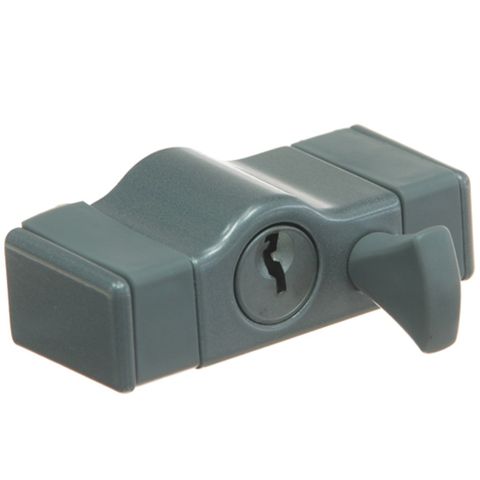
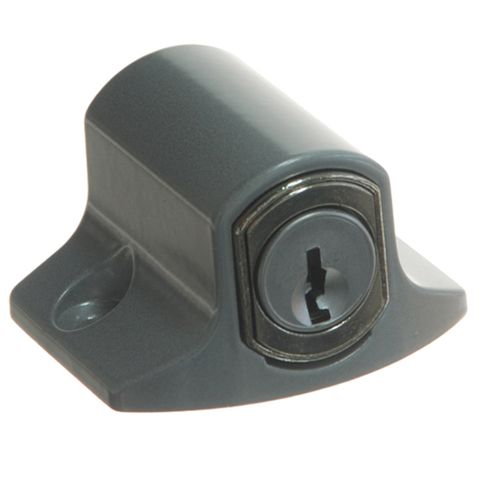
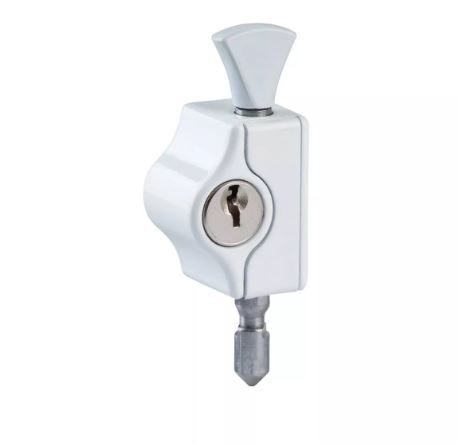
Awning Window Hardware
Awning windows are a popular choice across Australia for practical ventilation, weather protection and clean, contemporary styling. Hinged at the top and opening outward, they’re commonly used in homes, apartments, schools, healthcare facilities and commercial projects where controlled airflow and security matter. The right awning window hardware is what makes them easy to operate, stable in wind, secure when closed, and consistent over years of daily use. At John Barnes Group, you can buy awning window hardware online with options suited to residential and commercial applications in Brisbane, across Queensland, throughout New South Wales and Australia-wide.
Why Awning Window Hardware Matters
Awning windows rely on a few critical components working together: a reliable operator to open and hold position, hinges that support smooth movement, and locks/latches that pull the sash in for a tight close. When hardware is mismatched or underspecified, awning windows can feel stiff, rattle in wind, leak air around the sash, or become difficult to latch. Choosing quality architectural hardware improves day-to-day usability, helps maintain alignment, and delivers a more premium finish—especially important in high-use environments like offices, education and healthcare.
Everyday Comfort, Ventilation & Control
Awning windows are often chosen because they can be left slightly open for airflow while offering better protection from light rain than many other window types. With the right operators and stays, you can dial in ventilation without the sash drifting or slamming shut. This is particularly valued in Brisbane and wider Queensland where humid conditions and air flow management are a daily consideration.
Security & Reliable Closing
A good latch should feel positive and consistent. For ground-floor openings, accessible elevations, or commercial projects, lockable solutions and robust fastening hardware help support safer outcomes without compromising the clean look that awning windows are known for. Lockwood security-focused hardware is often selected where strength and reliability are key, while Dormakaba solutions are regularly specified in commercial environments where consistent performance is essential.
Where Awning Windows Are Commonly Used
Residential Homes and Apartments
In contemporary homes, awning windows are frequently used in kitchens, bathrooms, bedrooms and living spaces to capture breezes while maintaining privacy and weather resistance. Hardware choices here often focus on ease of operation, child safety considerations (where relevant), and finishes that match the wider home—matte black for modern interiors, stainless steel for durability, or warmer tones to complement premium architectural door hardware throughout the property. Design-led options from Zanda and Barben can help keep the look consistent across adjacent doors and windows.
Commercial Fitouts and Public Buildings
Awning windows are also common in schools, offices, medical suites and multi-residential projects, where ventilation and controlled opening are important. In these environments, durability and repeatable performance matter. Operators, hinges and latching hardware should be selected for higher use, consistent function, and easier maintenance—ideal for facilities teams managing multiple openings across Queensland or New South Wales.
What’s Included in Awning Window Hardware
Window Operators, Winders & Stays
Operators (including winders and stay mechanisms) control how the awning sash opens, how far it can travel, and how securely it holds position. This is often the most important “feel” component—smooth winding, minimal backlash, and stable hold when partially open. Selecting the right operator type helps prevent unwanted movement in gusty conditions and improves long-term alignment.
Hinges & Friction Components
Top-hung awning windows depend on hinges and friction elements that support the sash weight and encourage controlled movement. Hardware should be matched to sash size and material (often aluminium, timber or composite frames). Quality hinges help maintain even movement and reduce wear over time, especially in coastal-adjacent or high-humidity conditions.
Locks, Latches & Fasteners
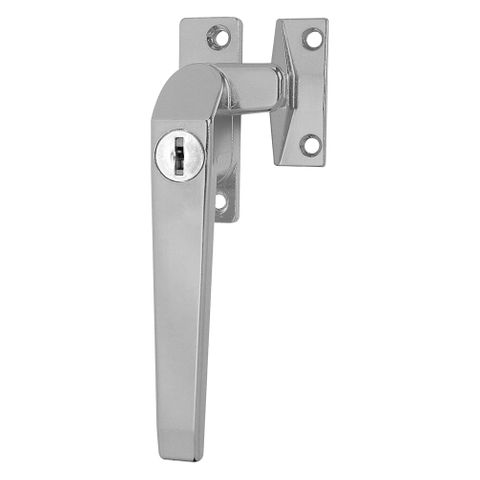
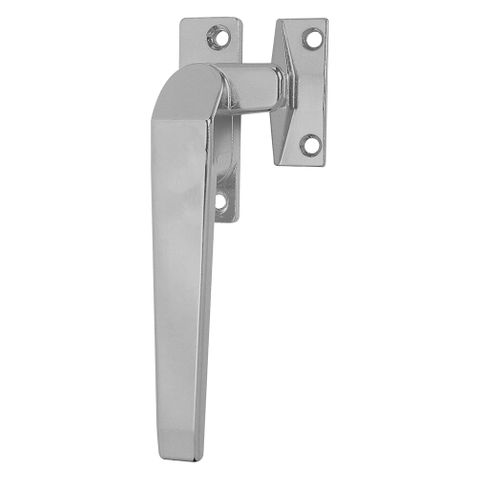
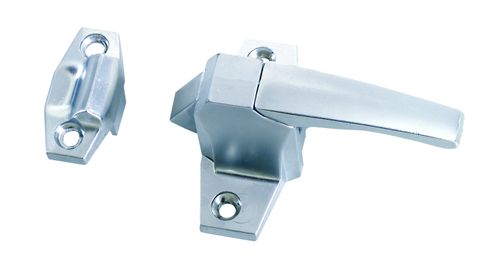
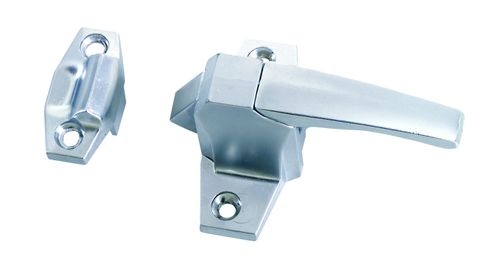
Latches draw the sash back into the frame to create a firm close and reduce rattling. Depending on the application, you may choose standard latching for internal or low-risk openings, or key-locking options for greater security. Where keyed solutions are used, compatible cylinders and lock components may form part of the overall specification. Lockwood options are commonly chosen for robust, security-oriented performance, while Dormakaba solutions are often used in commercial settings where consistent, reliable operation is the priority.
Limiters, Restrictors & Safety Accessories
Opening limiters and restrictors can be used where controlled opening is required—such as upper levels, aged care, education, or family homes. These accessories help manage ventilation without allowing the sash to open beyond a set point, supporting safer operation while still delivering airflow.
Strikes, Plates & Fixing Accessories
Strikes and plates help latching hardware align and seat correctly, especially where windows are opened and closed frequently. These finishing components can also improve the neatness of the install, help reduce wear at contact points, and support consistent closing performance over time.
Stops, Buffers & Protection Hardware
In certain configurations, discreet stops or buffers can help prevent over-travel and reduce impact stress on frames and hardware. This can be especially useful in commercial environments or windy sites where repeated movement can accelerate wear.
Finishing Details (Minor)
Depending on the project, you may also consider minor finishing details such as slimline seals or compression elements as part of the overall window system performance. These should complement the primary hardware—operators, hinges and latches—rather than replacing the need for correctly specified mechanical hardware.
How to Choose the Right Awning Window Hardware
To choose the best awning window hardware Australia-wide, start with the basics: sash size and weight, frame material, exposure conditions (wind, coastal air, heavy use), and the function you need (simple ventilation, security, restricted opening). From there, ensure the system is compatible: the operator should suit the opening style and sash load, hinges should match the sash size and frequency of use, and latches/locks should close confidently without forcing. If you’re coordinating finishes across a project, align your window hardware with nearby architectural hardware—door levers, pulls and accessories—so the space feels cohesive from room to room.
Internal vs External Considerations
While awning windows are typically “external” openings, some are used for internal partitioning or controlled airflow between zones. External-facing windows generally benefit from more robust hardware and weather-tolerant finishes, while internal applications may prioritise appearance and smooth operation. In both cases, selecting durable, well-matched components reduces ongoing adjustment and improves long-term performance.
Finishes for Modern, Contemporary and Premium Projects
Finish choice is often as important as function, especially in contemporary design. Matte black is a strong match for modern aluminium frames and minimalist interiors. Stainless steel remains a favourite for durability, broad commercial appeal, and projects where long-term wear resistance matters. Brass-toned finishes can add warmth in premium residential builds, especially when coordinating with complementary door hardware elsewhere. Brands like Zanda and Barben are often used to support cohesive styling across a project, while Lockwood and Dormakaba are frequently selected where proven performance and reliability are essential.
Local Support: Brisbane, Queensland, New South Wales & Australia-Wide
John Barnes Group supports customers in Brisbane and across Queensland with window and architectural hardware solutions that suit modern Australian building needs. We also service projects throughout New South Wales and deliver Australia-wide through our online store, helping builders, specifiers, maintenance teams and homeowners standardise awning window hardware across single sites or multi-location portfolios. Whether you’re upgrading a few windows at home or specifying hardware across a commercial fitout, our range helps you source compatible components designed for reliable operation and a clean finished look.
Frequently Asked Questions
What hardware do I need for an awning window?
Most awning windows use hinges (top-hung), an operator or stay mechanism to open and hold position, and a latch or lock to pull the sash closed. Many applications also use restrictors/limiters for controlled opening and plates/strikes for consistent latching alignment.
Can I buy awning window hardware online and retrofit it to existing windows?
Often, yes. Many operators, stays, latches and accessories can be replaced on existing awning windows. The key is matching the hardware type to the window’s frame, sash size and fixing pattern so operation remains smooth and the window closes correctly.
What’s the difference between a window winder and a stay?
A winder (operator) typically provides controlled opening via a handle mechanism, while stays may hold the sash open at set positions depending on the design. The best option depends on how you want the window to operate, the sash size, and the level of control required.
Do awning windows need lockable hardware?
Not always, but lockable latches can be beneficial for ground-floor windows, accessible elevations, or commercial projects with higher security needs. For security-focused applications, robust options from Lockwood are commonly selected, while Dormakaba is often specified where consistent commercial performance is needed.
How do I choose the right hardware for windy or exposed locations?
Prioritise strong hinges, stable operators or stays that hold position confidently, and durable finishes suitable for exposure. Matching hardware to sash size and weight is critical, and it can help reduce movement, rattling and wear over time.
What finishes work best for awning window hardware?
Matte black and stainless steel are popular choices for contemporary projects, especially with aluminium frames. Brass-toned finishes can suit premium residential interiors where you’re coordinating with other architectural hardware in the home.
Can awning window hardware be standardised across a commercial project?
Yes. Standardising operators, latches and compatible accessoriesE fittings simplifies maintenance, keeps the look consistent, and makes future replacements easier—especially for multi-site portfolios across Queensland, New South Wales and Australia-wide.
Why Choose John Barnes Group?
John Barnes Group helps you specify awning window hardware that balances smooth operation, secure closing and a cohesive finish. With trusted performance options from Dormakaba and Lockwood, plus design-forward choices from Zanda and Barben to coordinate with modern interiors, you can select hardware that suits both residential and commercial applications. Based in Brisbane and supporting Queensland, New South Wales and Australia-wide delivery, we make it easier to source architectural hardware that performs reliably and looks right across the entire project.