Uneven Floor
-
$85.01 inc GSTPrice:$77.28 ex GST
-
$133.46 inc GSTPrice:$121.33 ex GST
-
$165.52 inc GSTPrice:$150.47 ex GST
-
$72.94 inc GSTPrice:$66.31 ex GST
-
$110.61 inc GSTPrice:$100.55 ex GST
-
$153.21 inc GSTPrice:$139.28 ex GST
-
$162.66 inc GSTPrice:$147.87 ex GST
-
$51.13 inc GSTPrice:$46.48 ex GST
-
$36.20 inc GSTPrice:$32.91 ex GST
-
$32.70 inc GSTPrice:$29.73 ex GST
-
$109.36 inc GSTPrice:$99.42 ex GST
-
$38.87 inc GSTPrice:$35.34 ex GST
-
$73.78 inc GSTPrice:$67.07 ex GST
-
$33.25 inc GSTPrice:$30.23 ex GST
-
$155.06 inc GSTPrice:$140.96 ex GST
-
$52.51 inc GSTPrice:$47.74 ex GST
-
$156.33 inc GSTPrice:$142.12 ex GST
Door Hardware for Uneven Floors
Uneven floors are one of the most common causes of doors that scrape, bind, don’t latch cleanly, or feel inconsistent from one opening to the next. Whether it’s an older Queenslander renovation in Brisbane, a commercial tenancy with mixed floor finishes, or a site with slight slab variation in New South Wales, the right door hardware makes a massive difference. This category brings together door hardware suited to uneven floor conditions—so you can buy door hardware online that helps doors operate smoothly and reliably across residential and commercial projects Australia-wide.
Why Uneven Floors Create Hardware Problems
Even small changes in floor height can affect the swing path of a door, the under-door clearance, and the way the latch aligns with the strike. Uneven floors also increase the likelihood of impact damage (doors hitting higher spots) and can make doors harder to control in high-traffic areas. The best approach is to specify hardware that supports adjustment, controlled movement, and alignment—so the door works consistently without feeling “forced”.
Common Symptoms You’re Solving
Uneven floor conditions often show up as scraping at the bottom corner, doors that swing open or closed on their own, latches that “just miss” the strike, or doors that need extra force to close. The right combination of hinges/pivots, closers, latching and protection hardware can reduce these issues and improve long-term performance.
Performance Benefits of the Right Hardware on Uneven Floors
Choosing hardware specifically suited to uneven floors isn’t just about preventing scraping. It improves the feel of the door, protects the floor finish, reduces noise, and lowers maintenance call-backs—particularly in commercial sites where doors cycle constantly. With dependable architectural door hardware from brands like Dormakaba and Lockwood, and design-focused options from Zanda and Barben, you can achieve both performance and a premium finish without compromise.
Hardware Categories That Matter Most for Uneven Floors
Hinges and Adjustable Hanging Solutions
When floor levels aren’t perfectly consistent, adjustability is your friend. Hardware that supports fine-tuning helps you maintain correct reveals and latch alignment even when the floor slopes or transitions between finishes. In residential and commercial applications, choosing a hinge or hanging solution appropriate for the door weight and frequency of use is key—especially where a door is at risk of binding at the bottom edge. Where a higher-end architectural look is required, pivot-style solutions can also help manage swing and alignment in a refined way.
Pivot Systems for Architectural Control
Pivot systems can be an excellent option where you want a premium swing action and greater control over door movement—particularly in contemporary fitouts where door aesthetics matter. Pivots can also help manage door behaviour on uneven floors by creating a consistent axis and reducing the “drag” feel that can occur with misalignment. For modern commercial and architectural projects, combining pivot systems with complementary handles and latches can deliver a clean, intentional outcome.
Door Closers for Controlled Closing and Reduced Floor Contact
Door closers are often the unsung hero in uneven floor environments. Controlled closing reduces slamming, helps the latch find the strike consistently, and prevents doors from drifting into higher floor spots. In busy sites—retail, hospitality, education, healthcare—Dormakaba door control solutions are commonly specified to keep closing action smooth and repeatable. A properly selected closer can also help reduce impact on floors and prevent doors from “hunting” against a slope.
Locks, Latches and Cylinders for Reliable Engagement
Uneven floors can create subtle alignment issues that make latches feel unreliable. Selecting robust locks and latches that suit the application (passage, privacy, keyed entry, restricted access) helps ensure consistent engagement. Lockwood options are widely trusted in Australian residential and commercial environments for dependable latching and locking performance. Where cylinders are part of the solution, choosing compatible formats and ensuring correct alignment at installation helps avoid stiff operation and premature wear.
Strikes, Plates and Alignment Accessories
On uneven floors, the strike is often where the problem becomes obvious: the latch tongue hits high, low, or off-centre. Strike plates and related accessories play a major role in achieving a satisfying “click” close. Selecting the right strike style and ensuring it suits the latch type, door function and frame prep can make the door feel significantly more refined—especially in commercial environments where users expect consistent performance.
Handles and Pulls That Suit Real-World Use
Handles don’t just set the style—they influence how people operate the door. On a door that already needs a bit of control due to uneven floors, comfortable levers and well-positioned pulls help users guide the door smoothly rather than forcing it. For modern interiors, Zanda designs are popular for contemporary styling in finishes like matte black, stainless steel and warmer metallic tones, while Barben ranges can complement premium architectural projects where detail matters. Choosing handles that coordinate with your locking function (passage, privacy, keyed) keeps the specification cohesive.
Bolts, Flush Bolts and Double Door Hardware
Double doors on uneven floors can be tricky because both leaves must meet consistently. Flush bolts and related hardware help stabilise the inactive leaf, improving alignment and making latching on the active leaf more reliable. This is particularly useful in commercial openings, shared corridors and larger internal partitions where doors must operate cleanly day after day.
Door Stops, Hold-Open and Protection Hardware
Uneven floors increase the chance of door-to-floor and door-to-wall contact in unexpected places. Door stops and protection hardware prevent impact damage, protect finishes, and reduce noise. In high-traffic areas across Brisbane, Queensland retail centres, and New South Wales office fitouts, protection hardware is a simple way to extend the life of doors and hardware while keeping the site looking professional.
Residential and Commercial Use Cases
Renovations and Older Homes
In many Brisbane and Queensland renovations, floor levels can vary between rooms, especially where new flooring meets original boards or where transitions have been upgraded over time. Hardware that supports smooth swing and dependable latching can reduce the need for ongoing “door tweaks” and help doors feel more premium in everyday use—particularly for internal doors that get constant traffic.
Commercial Fitouts with Mixed Flooring
Commercial sites often have multiple floor finishes: carpet tiles to hard floors, vinyl to concrete, or transitions at entry points. These changes can create minor height differences that affect door operation. Specifying controlled closing (often with Dormakaba closers), durable locking/latching (often with Lockwood), and good protection hardware can deliver consistent function and reduce maintenance across the tenancy.
High-Traffic Doors
Where doors are used repeatedly—amenities, corridors, back-of-house access, retail entries—hardware needs to be selected for durability and repeatable performance. This is where architectural door hardware choices and proper coordination between closer, latch and strike become essential, not optional.
How to Choose Hardware for Uneven Floors
Start with the door type and the problem you’re addressing: scraping, drifting, inconsistent latching, or impact damage. Then build the solution as a system. If the door drifts or slams, door control is the priority. If the latch doesn’t engage smoothly, focus on lock/latch selection and strike alignment. If the door binds at the bottom, look at hanging solutions and door control together, and consider protection hardware to prevent damage. Finally, select finishes that match the project: matte black for modern fitouts, stainless steel for durability, and brass tones where you want a premium, warm accent. With Zanda and Barben for design-led touchpoints and Dormakaba and Lockwood for dependable performance, you can keep the result cohesive and professional.
Finishing Details for Challenging Floors
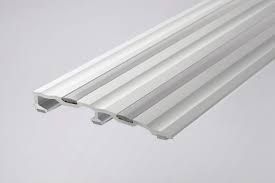
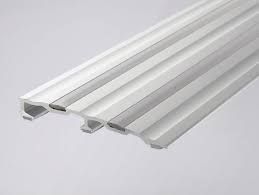
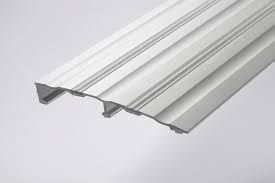
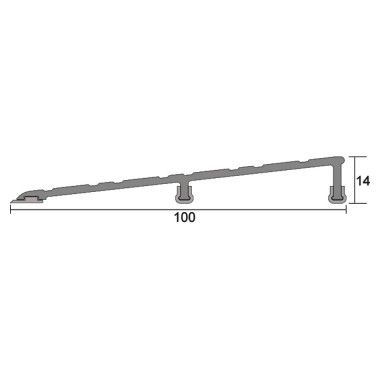
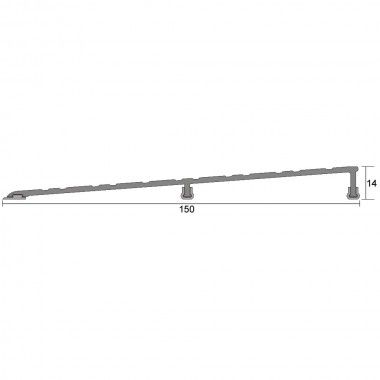
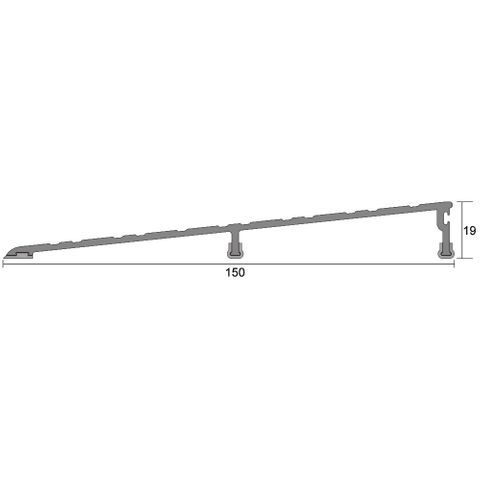
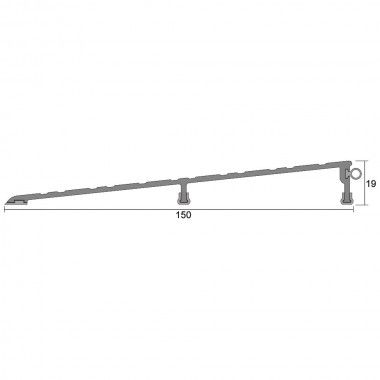
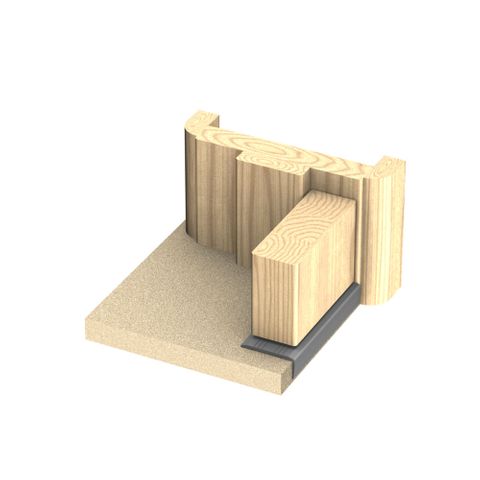
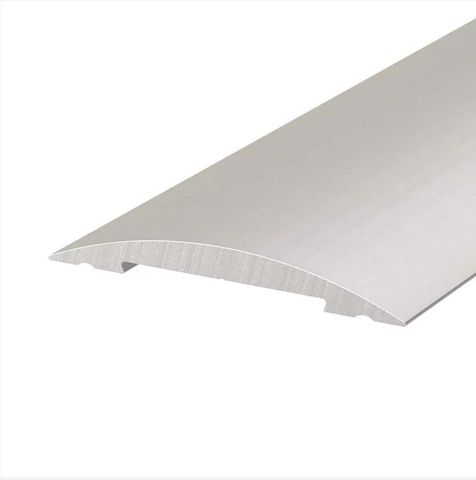
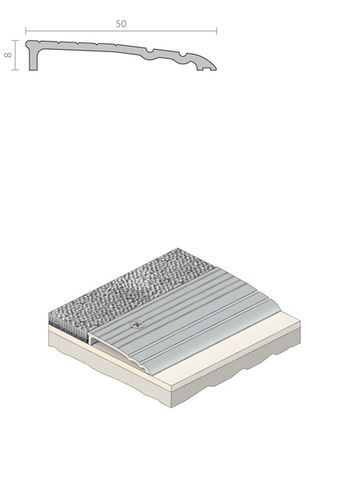
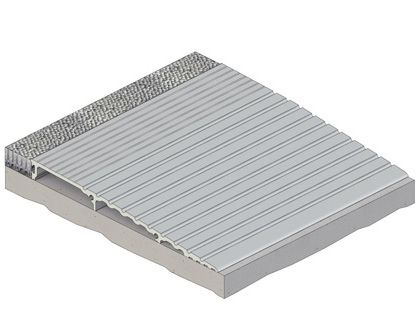
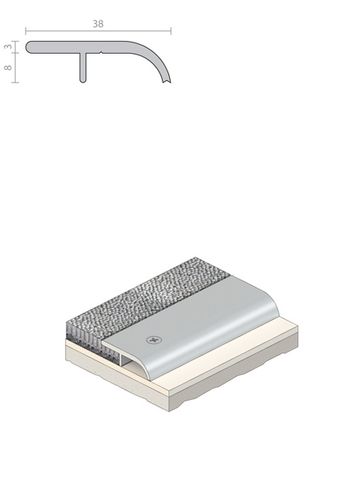
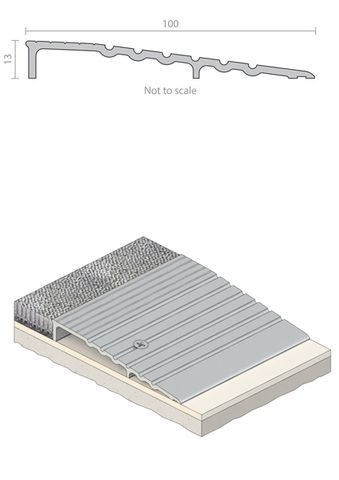
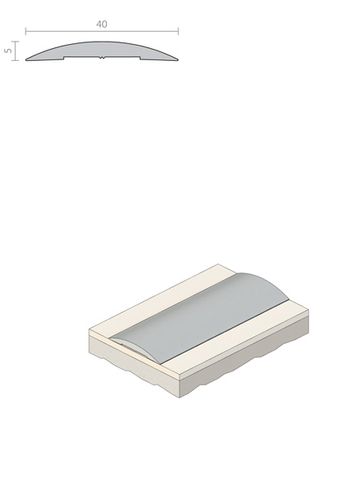
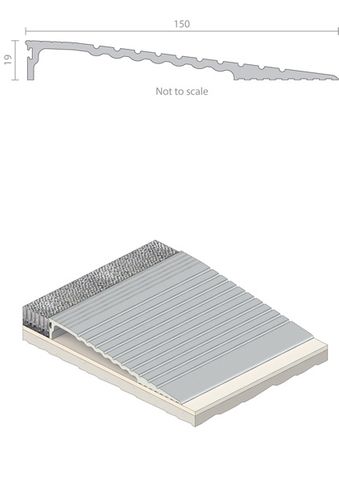
In some uneven floor situations, minor finishing components can help complete the opening—particularly where you’re managing under-door clearance or transitions between rooms. These details should support the primary hardware system rather than replace it. The key is maintaining smooth door movement, reliable latching, and a clean overall presentation.
Local Support: Brisbane, Queensland, New South Wales & Australia-Wide
John Barnes Group supports projects in Brisbane and across Queensland where uneven floors are common in renovations and mixed-material builds. We also supply New South Wales and deliver Australia-wide, helping builders, facility teams and specifiers standardise reliable door hardware solutions across single sites or multi-location portfolios. If you’re upgrading internal doors, improving a front door, or refining a commercial opening, this category helps you select hardware that performs in real-world floor conditions.
Frequently Asked Questions
What door hardware helps most on uneven floors?
Hardware that improves control and alignment typically delivers the biggest improvement—door closers for consistent closing, robust latches and correctly matched strikes for reliable engagement, and appropriate hinges or pivot systems to maintain smooth swing and correct reveals.
Why does my door scrape the floor even if the latch lines up?
Scraping is often caused by the door swing path intersecting a higher point in the floor, or by slight misalignment at the hanging side. Adjustability in the hanging solution and improved door control can reduce scraping and prevent ongoing damage to both the door and floor finish.
Can a door closer help with an uneven floor?
Yes. A closer can reduce slamming, prevent doors drifting into high spots, and improve the consistency of latch engagement—especially in commercial environments where doors are frequently used and need controlled, repeatable movement.
What locks and latches are best when doors don’t close consistently?
Choosing a dependable lock or latch suited to the door’s function is important, but alignment with the strike is just as critical. Lockwood is a common choice for reliable latching and locking performance, and careful strike selection helps the latch engage smoothly without forcing.
Do I need different hardware for internal vs external doors on uneven floors?
External doors typically add security and durability requirements, which may include keyed locking and compatible cylinders, plus stronger door control where needed. Internal doors often prioritise smooth operation and quiet, consistent latching—particularly in offices and modern residential interiors.
What role do strike plates play on uneven floors?
Strike plates are often the difference between a door that “almost” closes and one that closes cleanly every time. Selecting a strike that suits the latch type and ensuring proper alignment helps prevent rattling, mis-hits and inconsistent engagement.
How do I prevent damage when the door hits a higher floor area or wall?
Protection hardware like door stops and hold-open solutions can prevent impact damage and reduce noise. This is especially useful in high-traffic commercial environments where doors are opened quickly and repeatedly throughout the day.
Can I still achieve a premium look while solving uneven floor issues?
Absolutely. Performance upgrades don’t have to look industrial. You can select contemporary levers and pulls from Zanda and Barben in finishes like matte black, stainless steel or brass tones, while using dependable commercial performance components from Dormakaba and Lockwood to keep the door operating smoothly.
Why Choose John Barnes Group?
John Barnes Group helps you specify door hardware that performs in real Australian conditions—including uneven floors that challenge alignment and smooth operation. With trusted performance solutions from Dormakaba and Lockwood and premium design options from Zanda and Barben, you can build a complete, cohesive hardware system that looks right and works reliably. From Brisbane across Queensland, through New South Wales and Australia-wide delivery, we make it easier to source architectural door hardware that reduces issues, improves usability, and supports long-term results.