Double Leaf
-
$3,410.90 inc GSTPrice:$3,100.82 ex GST
-
2616EMCDSILStock Level:In Stock - Low Availability$3,821.72 inc GSTPrice:$3,474.29 ex GST
-
$78.79 inc GSTPrice:$71.63 ex GST
-
$68.15 inc GSTPrice:$61.95 ex GST
-
$68.15 inc GSTPrice:$61.95 ex GST
-
$106.77 inc GSTPrice:$97.06 ex GST
-
$111.91 inc GSTPrice:$101.74 ex GST
-
$118.70 inc GSTPrice:$107.91 ex GST
-
$129.26 inc GSTPrice:$117.51 ex GST
-
DTS93GSR-EMF2/BGStock Level:Available to Order$4,860.17 inc GSTPrice:$4,418.34 ex GST
-
DTS93GSR-EMF2VStock Level:Available to Order$3,532.56 inc GSTPrice:$3,211.42 ex GST
-
$2,696.12 inc GSTPrice:$2,451.02 ex GST
-
FD484Stock Level:Available to Order$4,044.16 inc GSTPrice:$3,676.51 ex GST
-
$202.80 inc GSTPrice:$184.36 ex GST
-
$172.94 inc GSTPrice:$157.22 ex GST
-
GJH22055Stock Level:In Stock - Low Availability$329.68 inc GSTPrice:$299.71 ex GST
-
GJH22080Stock Level:In Stock - Low Availability$315.45 inc GSTPrice:$286.77 ex GST
-
$43.89 inc GSTPrice:$39.90 ex GST
-
$48.17 inc GSTPrice:$43.79 ex GST
-
$33.23 inc GSTPrice:$30.21 ex GST
-
$83.92 inc GSTPrice:$76.29 ex GST
-
$121.09 inc GSTPrice:$110.08 ex GST
-
$181.67 inc GSTPrice:$165.15 ex GST
-
$104.94 inc GSTPrice:$95.40 ex GST

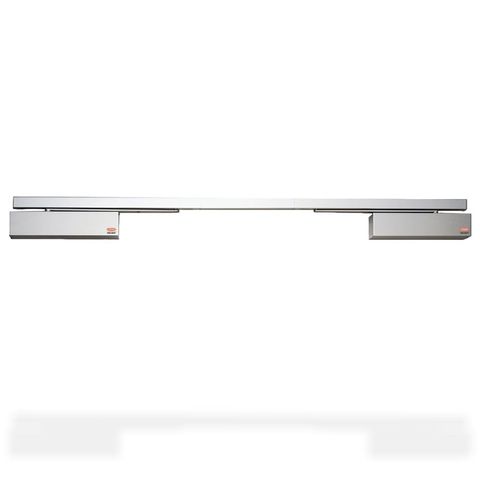
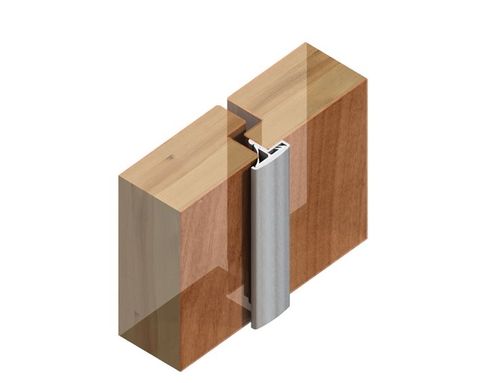
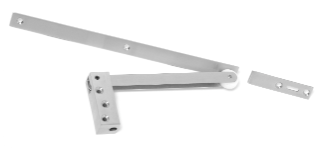
Double Leaf Door Hardware
Double leaf doors (also called double doors, pairs or bi-parting hinged doors) create a premium, high-impact entry and a wider clear opening for busy spaces. They’re common on front doors, commercial entrances, large internal openings, meeting rooms, hospitality venues, education facilities and shared corridors—anywhere you want better flow without compromising style. The key to double doors that feel solid and work reliably is selecting hardware that’s purpose-built for a two-leaf setup: coordinated locking and latching, the right hinges or pivots, controlled closing, reliable bolt solutions for the inactive leaf, and the finishing accessories that keep everything aligned. At John Barnes Group, you can buy double leaf door hardware online with options suited to residential and commercial projects across Australia.
Why Double Leaf Doors Need Purpose-Chosen Hardware
A single door can be forgiving. Double leaf doors are less so. With two leaves meeting in the centre, performance depends on alignment, sequencing and consistent closure. The right hardware helps prevent common issues like doors drifting out of square, the active leaf failing to latch, the inactive leaf rattling, or the meeting stiles rubbing. When specified as a complete system—handles/pulls, locks/latches/cylinders, hinges/pivots, door closers, bolts, stops, strikes/plates and accessories—double doors feel confident, secure and smooth to use, day after day.
Better Traffic Flow Without the “Fussy Door” Feel
Double doors should open easily for day-to-day use (often on the active leaf only), but also provide a wide opening when needed (both leaves). Correct bolt selection, clean latching, and well-matched door control hardware is what makes a double door setup feel effortless rather than finicky.
Common Double Leaf Configurations
Before choosing hardware, it helps to understand how the pair will operate. Most sets have an active leaf (the leaf used most often) and an inactive leaf (held in place with bolts until you need the full width). Some pairs are used as equal-access doors where either leaf can open first, and others need controlled sequencing in commercial settings.
Active + Inactive Leaf (Most Common)
The inactive leaf is secured with flush bolts or surface bolts at the top and/or bottom. The active leaf typically carries the main lock/latch, handle set and often the closer.
Both Leaves Regularly Used
Where both leaves are commonly opened, you may need matching latching solutions, a door coordinator (so doors close in the correct order), and compatible closers or floor springs to keep the pair aligned and predictable.
Complete Hardware Types for Double Leaf Doors
Handles, Levers, Pull Handles & Pull Plates
For double doors, handle choice is both functional and visual. Lever handles are popular on internal double doors where latch operation is frequent. Pull handles and pull plates are common on entrances, shopfront-style openings and statement residential front doors, especially where a latch is managed by a separate locking solution or where you want a bold architectural look. For design-led projects, Zanda and Barben ranges can help deliver a modern, contemporary or premium finish that feels intentional across both leaves—particularly when you coordinate matching escutcheons, plates and accessories.
Locks, Latches & Double Door Locking Options
Double doors can be configured for passage, privacy or keyed access. Typical solutions include mortice locks, mortice latches, deadlatches, and (where required) higher-security lock formats or multi-point concepts depending on the door type and project needs. On many double door sets, the active leaf carries the primary latch/lock, while the inactive leaf is held by bolts so the meeting stile remains stable. Lockwood is a common choice where reliability, strength and long-term performance are priorities for residential and commercial locking and latching.
Cylinders & Keying (Where Required)
For keyed double doors—front doors, tenancy entries, restricted areas—cylinders and compatible furniture matter. The goal is smooth key operation, clean alignment at the meeting stiles, and consistent locking every time. If you’re standardising across sites in Queensland or New South Wales, matching cylinder formats and keying strategies can simplify maintenance and future replacements.
Hinges & Pivot Systems for Pairs
Hinges and pivots do the heavy lifting—literally. Double leaf doors can be tall, heavy and high-traffic, so selecting hinges (or pivot systems) suited to door weight and usage frequency is critical for keeping the meeting stiles aligned. In premium commercial applications, pivot systems can deliver a smooth, architectural swing. For many commercial projects, Dormakaba door control and access hardware solutions are often specified as part of a reliable, integrated approach.
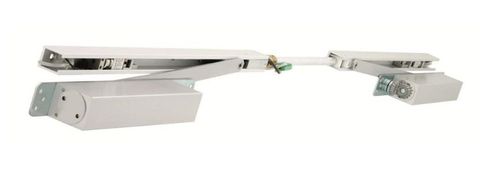
Door Closers, Floor Springs & Coordinators
Controlled closing is where double doors either shine or struggle. Closers reduce slamming, protect frames, improve latch engagement and help the active leaf consistently return to the correct position. In commercial environments—common across Brisbane office fitouts, Queensland healthcare and busy New South Wales tenancies—closers are frequently selected to deliver consistent performance under heavy use.
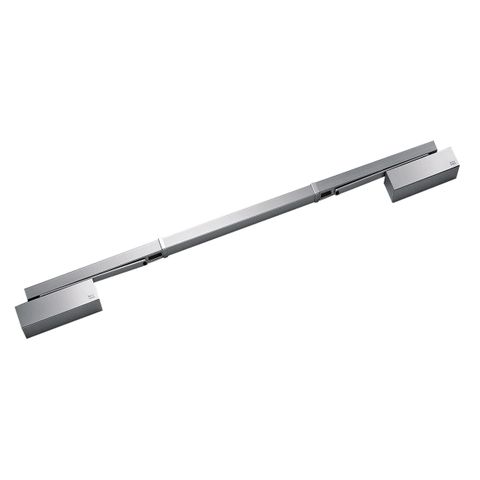
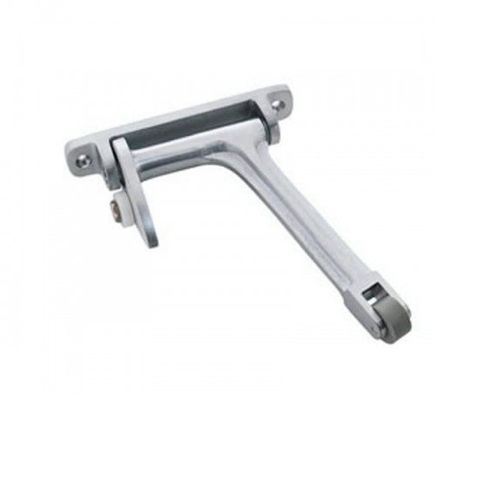
Where the inactive leaf must close first (so the active leaf can latch against it), a door coordinator helps manage closing sequence. This is a key piece of double door functionality and one of the most overlooked. Dormakaba solutions are often used where dependable door control and consistent closing behaviour is essential across high-traffic openings.
Flush Bolts, Surface Bolts & Shoot Bolt Solutions
The inactive leaf needs to stay put—without rattling or drifting. Flush bolts provide a cleaner look and are popular on higher-end internal sets and many commercial doors. Surface bolts can be a practical, serviceable choice in back-of-house and utility areas. Depending on door type and floor conditions, you may use top-only bolting (where appropriate) or top-and-bottom bolting for maximum stability. Correct bolt selection also helps protect your lock alignment on the active leaf and reduces wear on strikes.
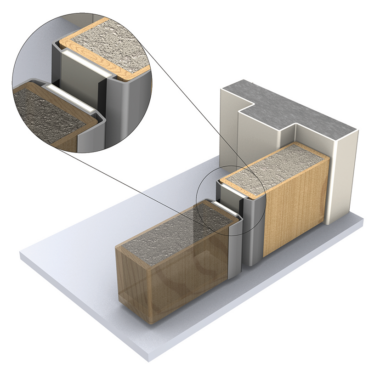
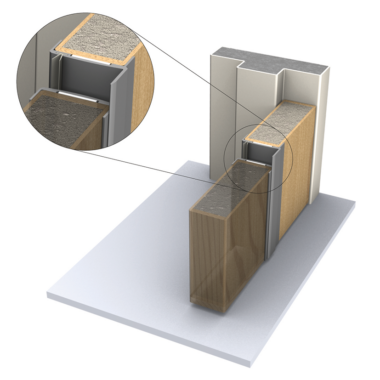
Strikes, Rebates, Astragals & Meeting Stile Accessories
Double doors often involve rebated meeting stiles, centre meeting details, or additional protection/finishing at the join. Compatible strikes and keeps are essential for smooth latching. Where needed, meeting stile accessories such as astragal-style covers or latch protection plates can improve closing feel and reduce damage in high-use settings. Paying attention to these “small” items is what makes double doors feel premium rather than temperamental.
Door Stops, Hold-Open Hardware & Protection
Double doors can create a lot of swing area. Door stops—floor, wall or overhead—help prevent impact to walls, frames and adjacent glazing. In commercial environments, hold-open options can improve flow during peak periods, while still allowing controlled closing when required. Protection hardware such as kick plates and push plates can also be valuable in high-traffic sites.
Finishing Details: Seals & Thresholds (Optional)
While this category is about the full hardware system, finishing details can add comfort and refinement. Where relevant, discreet seals or a suitable threshold detail can reduce draughts and noise paths—particularly on external double doors or air-conditioned interiors. These should support the hardware system, not dominate it.
How to Choose the Right Double Leaf Door Hardware
If you’re selecting double leaf door hardware Australia-wide, start with how the pair will be used and then build the system around that.
1) Define Function and Frequency
Is it a front door, internal opening, or commercial entry? Will one leaf be used daily with the other opened occasionally, or will both leaves be used regularly? High-frequency commercial use generally benefits from heavier-duty hinges/pivots and reliable door control.
2) Choose the Locking Strategy
For many sets, the simplest approach is: primary lock/latch on the active leaf + flush bolts on the inactive leaf. For keyed doors, ensure cylinder compatibility and consider how users will lock and unlock the pair in real life (especially after hours).
3) Plan Closing and Sequencing
If the active leaf latches against the inactive leaf, think about how the doors close. Where sequencing matters, a coordinator and compatible closers can prevent mis-latching and reduce long-term adjustment headaches.
4) Coordinate the Look
Double doors are a focal point. Consistent finishes across handles, locks, hinges/pivots, closers, bolts and plates deliver the “architectural door hardware” outcome customers expect. For modern builds, matte black is a standout. Stainless steel remains a commercial favourite for durability and a clean, contemporary look. Brass tones can bring warmth and premium detail to residential entries and high-end interiors. Zanda and Barben options can help you achieve a cohesive design finish, while Lockwood and Dormakaba choices support performance-driven specifications.
Local Support: Brisbane, Queensland, New South Wales & Australia-Wide
From Brisbane projects to wider Queensland rollouts, double leaf doors are common in commercial fitouts and modern residential builds—especially where wide openings and premium presentation matter. John Barnes Group also supports customers across New South Wales and ships Australia-wide, making it easy to standardise double leaf door hardware across multiple sites or staged construction. Whether you’re upgrading a residential front door, fitting out office meeting rooms, or maintaining high-traffic entryways, this category helps you select compatible hardware that performs and presents well.
Frequently Asked Questions
What hardware do I need for double leaf doors?
Most double leaf doors use handles or pulls, a lock or latch on the active leaf, bolts (often flush bolts) on the inactive leaf, hinges or pivots on both leaves, and appropriate strikes/keeps. Many commercial doors also include door closers and sometimes a coordinator to manage closing order.
What’s the difference between the active and inactive leaf?
The active leaf is the door you use most often and usually carries the main lock/latch and handle set. The inactive leaf is typically held closed with bolts and is opened when you need the full width of the doorway.
Do double doors need a door coordinator?
Not always, but if the active leaf must close after the inactive leaf (so it can latch properly), a coordinator can make the doors far more reliable. Coordinators are common in commercial applications and any setup where closing order affects latching.
Are flush bolts better than surface bolts for double doors?
Flush bolts offer a cleaner, more integrated look and are popular on premium internal and many commercial doors. Surface bolts can be a practical option where accessibility, serviceability or door construction makes surface fixing preferable.
What handles work best on double leaf front doors?
Many front door pairs use pull handles for a premium look, paired with a suitable locking solution on the active leaf and secure bolting on the inactive leaf. Lever handles can also work well where you want familiar latch operation. Finish coordination (matte black, stainless steel, brass tones) is often the key to a high-end result.
Can I use the same lock and latch hardware on double doors as on single doors?
Sometimes, but double doors introduce centre meeting alignment and inactive-leaf stability requirements. Hardware selection should account for the meeting stiles, the strike/keep arrangement, and how the inactive leaf is secured so the active leaf latches consistently.
Which brands are commonly used for double leaf door hardware?
Lockwood is widely chosen for dependable locking and latching. Dormakaba is frequently specified for door control and commercial-grade performance. For design-focused handles and coordinated finishes, Zanda and Barben offer premium options that suit modern and contemporary double door applications.
What finishes suit double leaf doors in modern interiors?
Matte black is a strong choice for contemporary design, stainless steel is popular for durability and commercial settings, and brass tones add warmth for premium residential and architectural projects. Keeping finishes consistent across the full hardware set creates the most polished result.
Why Choose John Barnes Group?
John Barnes Group helps you bring double leaf doors together as a complete hardware system—so they look premium and operate reliably. With trusted performance options from Dormakaba and Lockwood, plus design-forward selections from Zanda and Barben, you can coordinate handles, locking, door control, bolts, stops and accessories in finishes that suit modern Australian projects. Based in Brisbane and supporting Queensland, New South Wales and Australia-wide delivery, we make it easier to specify, standardise and maintain architectural door hardware that works.