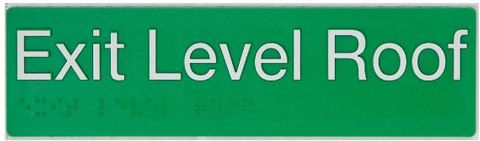
Roof
-
$31.55 inc GSTPrice:$28.68 ex GST
Roof Signage
Roof areas are high-risk, restricted, and often overlooked—until something goes wrong. Clear, compliant-style signage is one of the simplest ways to improve safety and control access to rooftop doors, plant rooms, ladders, hatches and service areas. This Roof Signage category is focused on signs suited to roof and rooftop access environments, helping you communicate hazards, restrict entry, direct maintenance personnel, and support site procedures across residential and commercial buildings. If you need to buy roof signage online in Australia, John Barnes Group offers practical options suited to busy facilities and harsh rooftop conditions.
Why Roof Signage Matters
Control Access to Restricted Areas
Many rooftops contain plant equipment, comms infrastructure, skylight zones, and edge hazards that should only be accessed by authorised personnel. Roof access signage helps set expectations at the point of entry—such as “Authorised Personnel Only” or “Restricted Area”—reducing accidental access and supporting building management policies in Brisbane, across Queensland, and throughout New South Wales.
Improve Safety Around Hazards
Roof spaces can include trip hazards, electrical equipment, hot surfaces, fall risks, moving machinery, and temporary maintenance zones. Clear warning and caution signage helps direct behaviour before someone reaches the hazard—especially important for contractors unfamiliar with the site. Well-placed signs can reduce incidents and create a more controlled working environment on rooftops and plant platforms.
Support Consistent Site Standards
For facility managers and multi-site operators, consistent roof signage makes training and compliance easier. When signs are standardised across a portfolio, contractors know what to expect, procedures are easier to follow, and rooftop access management becomes more repeatable—ideal for sites spread across Queensland, New South Wales and Australia-wide.
Common Roof Signage Applications
Rooftop Access Doors, Stairs & Hatches
Roof access points are where signage has the most impact. Signs can indicate restricted access, PPE requirements, and any site-specific instructions before a person enters the roof area. This is particularly useful on commercial buildings, strata-managed apartments, and facilities where multiple contractors attend throughout the year.
Plant Rooms & Services Areas
Rooftop plant areas often include mechanical, electrical, hydraulic and communications infrastructure. Signage can assist with identifying areas, highlighting hazards, and directing authorised workers to the correct zones. For busy sites, it can also help prevent casual or mistaken entry into critical service spaces.
Hazard Zones: Edges, Ladders, Fragile Surfaces
Roof edges, ladder access points, and fragile surfaces are common risk areas. Signage can be used to warn about fall hazards, indicate safe paths, or reinforce site rules for roof movement and access. Clear placement near the hazard point helps reduce “last second” surprises.
Types of Roof Signage You May Need
Warning, Caution & Hazard Signs
These are used to communicate risks such as falls, electrical hazards, hot surfaces, moving plant, and restricted zones. They work best when placed before the hazard is encountered—at roof doorways, plant area entries, ladder transitions, and near service corridors.
Restricted Access & Authorisation Signs
Signs that communicate access control—such as authorised access only—help reinforce building rules and reduce unauthorised rooftop entry. They’re commonly used on doors, gates, and access hatches where roof entry needs to be actively managed.
Mandatory Instruction & PPE Notices
Some roof areas require personal protective equipment or specific procedures. Instructional signage helps set expectations clearly at the entry point, making it easier for maintenance teams and contractors to follow site requirements.
Directional & Identification Signage
Rooftops can be confusing, especially on larger commercial buildings. Directional signs can guide workers to plant rooms, comms areas, access ladders, or safe routes, while identification signage can help label areas for maintenance and emergency planning.
Choosing the Right Roof Signage
When selecting roof signage, start with the risk and the location. Rooftop conditions can be harsher than internal environments, so prioritise signage that remains legible and durable under sun exposure and weather. Consider who will read it—contractors, building staff, emergency responders—and ensure the message is clear and immediately actionable. For sites that aim to look modern and consistent, it’s also worth coordinating sign formats and visual style so rooftop access points across the building feel standardised and professional.
Local Supply for Brisbane, Queensland, New South Wales & Australia-Wide
John Barnes Group supports building and facility needs in Brisbane and across Queensland, as well as New South Wales and Australia-wide delivery through our online store. Whether you’re managing a single site or coordinating signage across a portfolio of buildings, roof signage is a practical step that improves safety communication and access control without major disruption.
Frequently Asked Questions
What is roof signage used for?
Roof signage is used to communicate hazards, restrict access, provide instructions, and guide personnel on rooftops and roof access points such as doors, hatches, ladders, plant rooms and service areas.
Where should roof access signs be placed?
Roof access signs are typically placed at the point of entry—roof doors, stair exits, hatches and ladder access points—so the message is seen before someone enters the roof area. Additional signs can be positioned near plant areas and specific hazards.
What types of messages are common for rooftop areas?
Common messages include restricted access/authorised personnel only, hazard warnings (fall risk, electrical hazard, hot surfaces), PPE or instruction notices, and directional or identification signage for plant and service zones.
Is roof signage only for commercial buildings?
No. Roof signage can be relevant for apartment buildings, strata properties, industrial sites, schools, healthcare facilities and any building with rooftop access where hazards or restricted entry need to be clearly communicated.
How do I choose roof signage that suits harsh weather exposure?
Choose signage intended for outdoor conditions, prioritising durability and long-term legibility. Rooftops often have high UV exposure and weathering, so signage should be selected with the environment in mind.
Can roof signage help with contractor management?
Yes. Clear roof signage supports consistent site rules and helps contractors understand hazards and access requirements quickly, especially on sites with frequent maintenance visits or multiple service providers.
Should roof signage be standardised across multiple sites?
Standardising signage across a portfolio helps improve consistency, reduces confusion, and supports repeatable safety processes—particularly for organisations with buildings across Queensland, New South Wales and other parts of Australia.
Does roof signage replace physical safety controls?
No. Signage supports communication and awareness, but it should be used alongside appropriate physical controls and site procedures. It’s a practical layer that helps reinforce safe behaviour at access points and hazard areas.
Why Choose John Barnes Group?
John Barnes Group supplies practical roof signage solutions that support safer rooftop access and clearer hazard communication across Australian sites. With local support in Brisbane and across Queensland, plus service to New South Wales and Australia-wide delivery, we help facility teams standardise signage and maintain consistent site messaging. We also support broader architectural door hardware needs—from trusted performance brands like Dormakaba and Lockwood to design-led ranges from Zanda and Barben—so your access points and building hardware can stay coordinated and professional.