Toilet
-
$93.78 inc GSTPrice:$85.25 ex GST
-
$93.78 inc GSTPrice:$85.25 ex GST
-
$93.78 inc GSTPrice:$85.25 ex GST
-
$93.78 inc GSTPrice:$85.25 ex GST
-
$93.78 inc GSTPrice:$85.25 ex GST
-
$50.30 inc GSTPrice:$45.73 ex GST
-
$50.30 inc GSTPrice:$45.73 ex GST
-
$50.30 inc GSTPrice:$45.73 ex GST
-
$50.30 inc GSTPrice:$45.73 ex GST
-
MDTRH-BLUEStock Level:Available to Order$50.30 inc GSTPrice:$45.73 ex GST
-
$50.30 inc GSTPrice:$45.73 ex GST
-
$50.30 inc GSTPrice:$45.73 ex GST
-
$50.30 inc GSTPrice:$45.73 ex GST
-
$50.30 inc GSTPrice:$45.73 ex GST
-
$50.30 inc GSTPrice:$45.73 ex GST
-
$50.30 inc GSTPrice:$45.73 ex GST
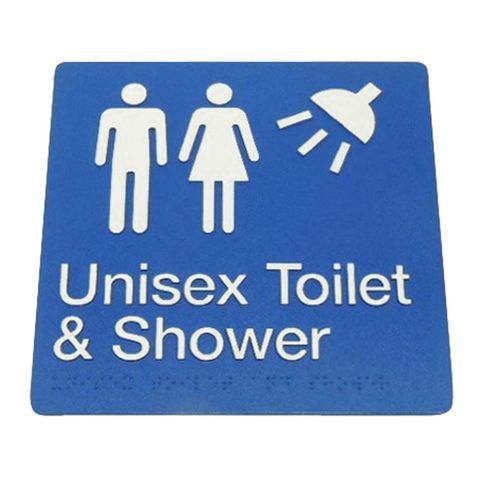
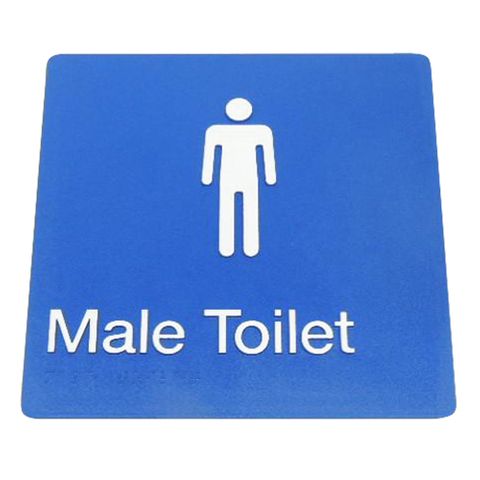
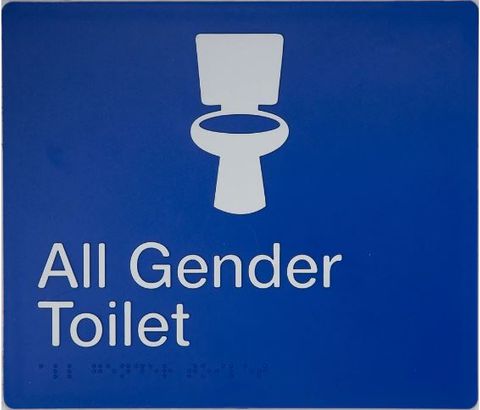
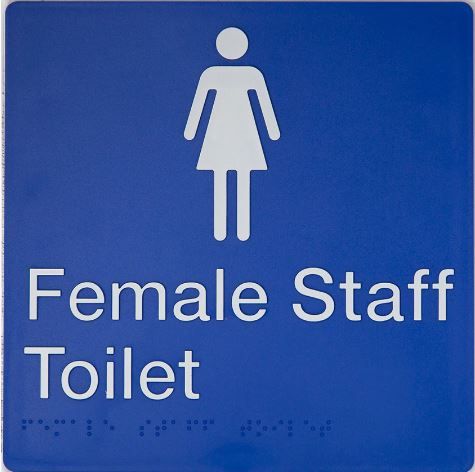
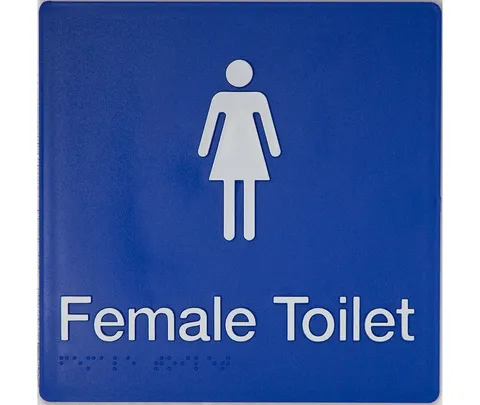
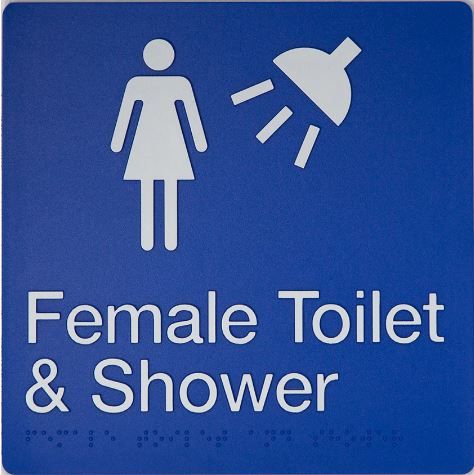
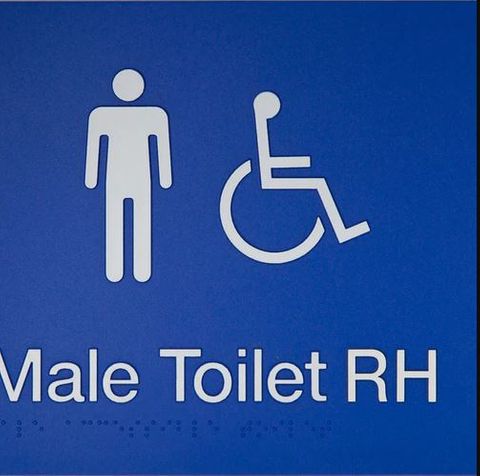
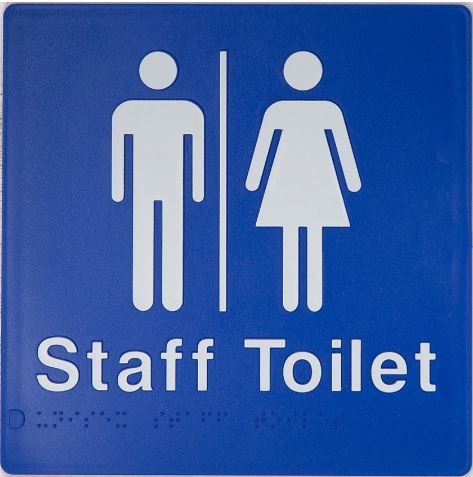
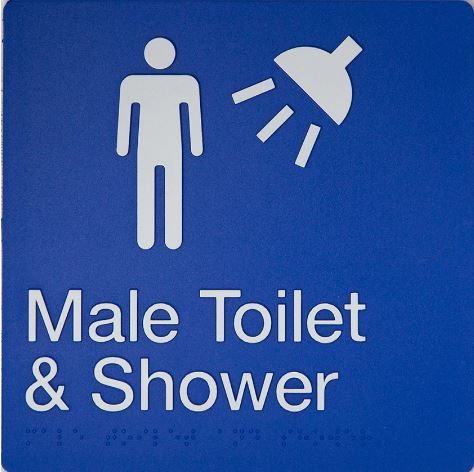
Toilet Signage
Clear toilet signage is one of the fastest ways to improve navigation, privacy and presentation in any building. From “Toilet” and “WC” door signs to male/female/unisex identification and accessible toilet signage, the right sign reduces confusion, supports visitor comfort, and helps venues look professional and well-organised. Whether you’re updating amenities in a Brisbane café, fitting out a workplace in Queensland, or standardising signage across multiple sites in New South Wales, John Barnes Group makes it easy to buy toilet signage online with options suited to modern commercial and residential environments Australia-wide.
Why Toilet Signage Matters
People look for toilets quickly—and they expect the signage to be instantly recognisable. Well-chosen toilet door signs improve wayfinding, reduce awkward interruptions (“Where are the bathrooms?”), and help keep restricted or staff-only doors from being mistaken for amenities. In customer-facing spaces like retail, hospitality and medical reception areas, toilet signage is also part of the overall look and feel of your fitout—small details that signal quality and attention to finish.
Better Wayfinding, Less Confusion
Simple, high-contrast toilet signs help visitors find amenities without needing to ask staff. Directional signs placed at corridors, intersections and entry points are especially helpful in larger premises such as schools, medical centres, offices and shopping centre tenancies.
Privacy and Comfort for Users
Clear door identification reduces accidental entry and supports user comfort. This is particularly important for unisex amenities, ambulant cubicles, and accessible toilets where the right sign helps set expectations and provides respectful clarity.
A More Premium, Finished Fitout
Toilet signage is a visual touchpoint. Matching sign style and finish to surrounding architectural door hardware—such as levers, pulls and accessories—helps create a cohesive, modern result. In many contemporary fitouts, matte black signage complements modern interiors, while stainless steel supports a clean, durable commercial look. Where warm accents are used, brass tones can elevate the feel in premium venues and boutique spaces.
Where Toilet Signage Is Commonly Used
Hospitality and Retail
Cafés, restaurants, bars, venues and retail stores rely on easy-to-spot toilet signage to keep customer flow smooth and reduce staff interruptions. Consistent signage across customer areas also helps maintain a polished experience from entry to amenities.
Offices and Commercial Buildings
In workplaces, toilet signage supports smooth navigation for staff, clients and visitors—especially on multi-level sites or shared tenancies. Directional toilet signs can be as important as the door sign itself, guiding people before they reach decision points.
Education, Healthcare and Community Facilities
Schools, medical centres, aged care, gyms and community venues benefit from clear, durable toilet signage that remains readable over time. Accessible toilet signage is especially important in these environments to ensure users can quickly identify appropriate facilities.
Residential Multi-Unit and Shared Spaces
Apartment common areas, shared laundries and amenities zones can benefit from tasteful toilet signs that look consistent with the building’s design language—particularly in modern developments aiming for a premium finish.
Types of Toilet Signage in This Category
Toilet / WC Door Signs
These are the core signs for identifying amenities on the door. Common formats include “Toilet”, “WC” and icon-based designs suited to contemporary spaces where clear visual recognition is key.
Male, Female and Unisex Signs
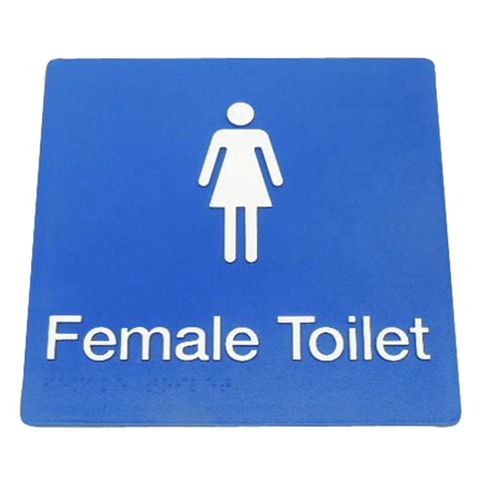
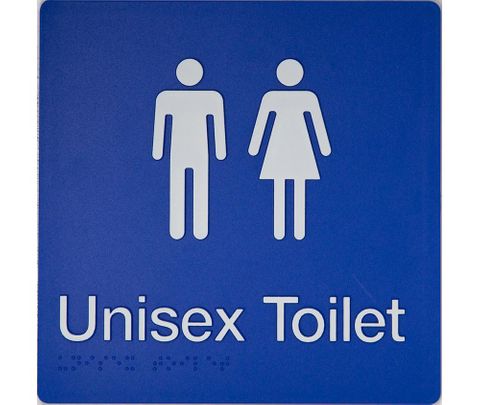
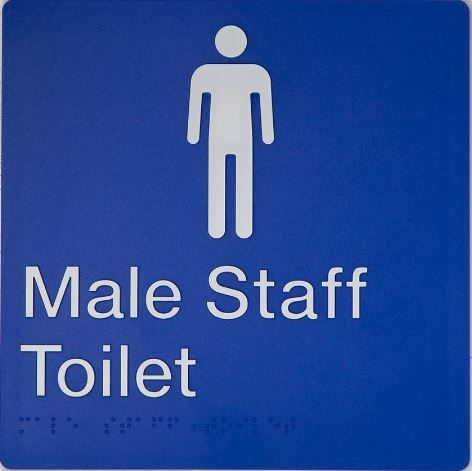
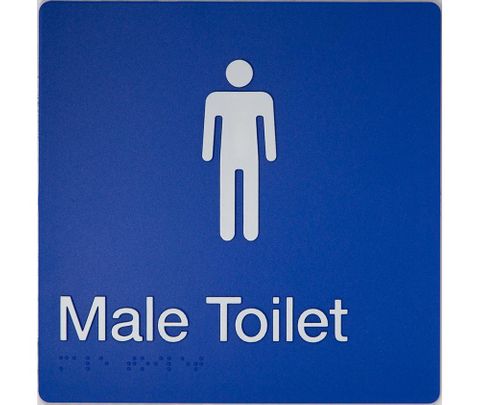
Gendered and unisex toilet signs help users quickly identify the right facility, particularly in public spaces and venues. Icon-based options are popular for their immediate clarity, while text-based options suit sites that prefer simple wording.
Accessible and Ambulant Toilet Signage
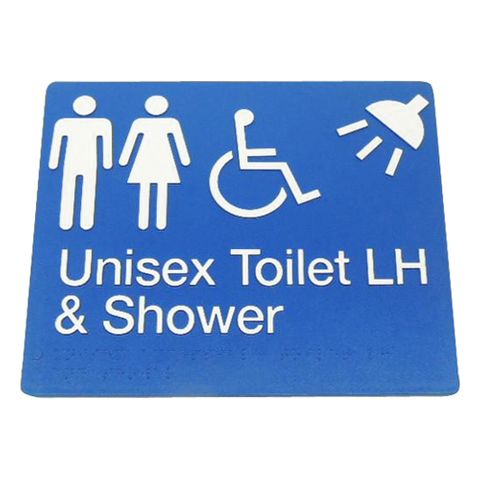
Accessible toilet signs are an essential part of amenity identification. Many sites also use ambulant signage to clearly mark suitable cubicles within larger amenity blocks. Selecting a consistent style across all toilet-related signs helps the facility feel cohesive and easy to understand.
Directional Toilet Signs
Directional signage guides users before they reach the amenity door—ideal for corridors, foyers, reception areas and larger floorplans. This is particularly helpful in offices, schools, medical centres and shopping centre tenancies where toilets may not be immediately visible.
Occupied / Vacant Messaging and Complementary Door Details
In some environments, toilet door signage is paired with occupancy indicators or simple messaging to reduce interruptions. While locks and indicator bolts are separate hardware components, choosing signage that complements your door hardware finish helps keep the amenity area looking intentional and professionally specified—especially when coordinating with commercial-grade hardware from Dormakaba and Lockwood, or design-led finishes from Zanda and Barben.
How to Choose the Right Toilet Signage
Choose Clarity First
Prioritise signs that can be understood instantly. For busy venues, icons and high-contrast designs can improve speed of recognition. For workplaces, consistent text-and-icon combinations can suit a more formal fitout style.
Match the Sign Style to Your Space
Modern, contemporary interiors often suit minimal designs and finishes like matte black or brushed stainless steel. Premium spaces may lean toward warmer metallic tones such as brass to coordinate with other architectural door hardware elements. The best approach is to keep signage consistent across the entire venue so wayfinding feels effortless.
Consider Placement and Sightlines
Door signs should be placed where they’re visible as a person approaches. Directional signs work best at decision points—hallway intersections, lifts, stair landings, and reception areas—so users don’t need to backtrack.
Coordinate With Door Hardware and Fitout Finishes
While toilet signage is its own category, it often sits alongside door hardware that is highly visible—handles, pulls, hinges and accessories. Coordinating finishes can elevate the look of amenity corridors and entry points. For example, matte black signage pairs well with matte black levers and pulls, stainless steel signage complements commercial hardware, and brass-toned signage can add a premium touch where warm metals are part of the broader interior palette.
Local Support: Brisbane, Queensland, New South Wales & Australia-Wide
John Barnes Group supports fitouts and upgrades across Brisbane and Queensland, with solutions that also suit projects throughout New South Wales and deliver Australia-wide. Whether you’re refreshing a single venue, upgrading amenities across multiple floors, or standardising signage across a multi-site network, our online range helps you source toilet signage that’s clear, consistent and aligned with modern Australian fitout expectations.
Frequently Asked Questions
What is the difference between “Toilet” and “WC” signage?
Both identify the same facility. “Toilet” is widely used for straightforward clarity, while “WC” can suit sites that prefer a more minimal or European-style convention. Many venues choose based on the broader signage style and interior aesthetic.
Should I use icons, text, or both for toilet signage?
Icons are often quickest to recognise in busy public spaces. Text can add clarity in workplaces or where a specific tone is preferred. Many fitouts use a combination of icon and text for a clear, modern result.
Do I need directional toilet signs as well as door signs?
If toilets aren’t immediately visible from key entry points, directional signs are strongly recommended. They reduce confusion and prevent people from opening the wrong doors—especially in venues with corridors, multiple rooms, or shared tenancy layouts.
What signage should be used for unisex toilets?
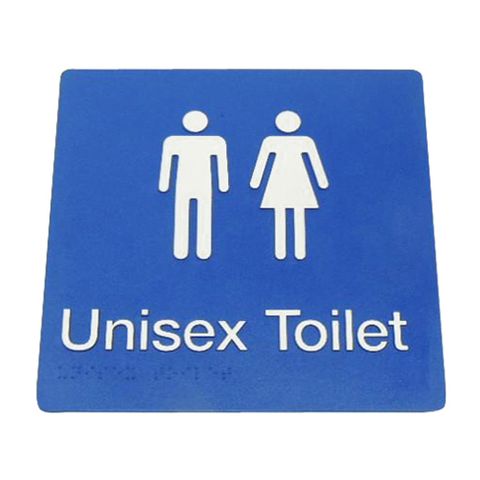
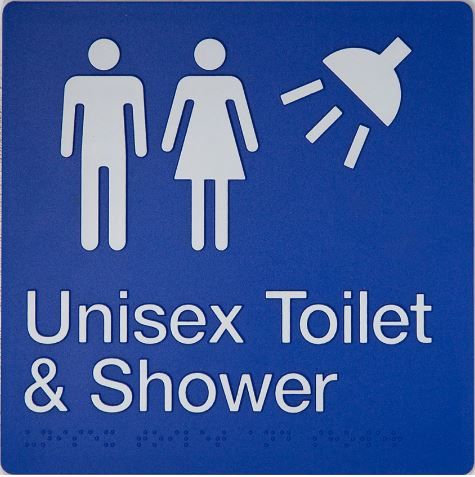
Unisex toilets are commonly identified with clear “Unisex” text, a combined icon, or a simple “Toilet” sign depending on the fitout style. The key is consistency across the venue and immediate recognisability for visitors.
What signage is appropriate for accessible toilets?
Accessible toilet signage should clearly identify the facility for users. Many sites also include ambulant signage for suitable cubicles within larger amenity blocks. Keeping style and finish consistent with other toilet signs supports clear wayfinding.
What finishes are most popular for toilet signage?
Matte black and stainless steel are popular in modern, contemporary and commercial spaces. Brass tones can suit premium interiors and boutique venues where warmer metals are used elsewhere in the fitout.
Should toilet signage match door hardware finishes?
Matching finishes creates a more cohesive look, particularly in amenity corridors and public-facing areas. Coordinating toilet signage with architectural door hardware finishes—such as those commonly seen across Dormakaba, Lockwood, Zanda and Barben selections—helps the space feel intentional and professionally finished.
Can I standardise toilet signage across multiple sites in Australia?
Yes. Standardising signage helps create consistent wayfinding, reduces confusion for staff and visitors, and simplifies future replacements—ideal for businesses operating across Queensland, New South Wales and Australia-wide.
Why Choose John Barnes Group?
John Barnes Group supplies toilet signage that supports clear wayfinding and a polished fitout finish across a wide range of Australian workplaces and venues. With styles that suit modern commercial design and finishes that coordinate with architectural door hardware—whether you’re pairing with dependable Dormakaba and Lockwood specifications or design-forward Zanda and Barben selections—we help you keep amenity areas consistent and professional. From Brisbane across Queensland, into New South Wales and Australia-wide delivery, we make it easy to source signage that looks right and works in the real world.