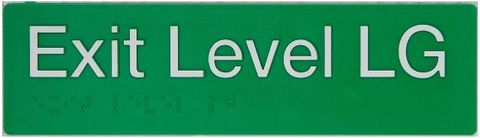
Lower Ground
-
$31.55 inc GSTPrice:$28.68 ex GST
Lower Ground Signage
Lower ground areas are busy, functional spaces—car parks, basements, plant rooms, loading zones, service corridors and stairwell connections—where people need clear direction fast. The right signage reduces confusion, supports safer movement, and helps buildings run smoothly for residents, staff, contractors and visitors. This category brings together lower ground signage suited to residential and commercial environments, making it easy to buy signage online for consistent wayfinding and identification across Brisbane, Queensland, New South Wales and Australia-wide projects.
Why Lower Ground Signage Matters
Lower ground levels are often the first point of arrival (car parks) or a critical access route (stairs and service corridors). Without clear signage, people get lost, access the wrong areas, or waste time trying to find lifts, exits, storage cages or building services. Good lower ground signage improves navigation, supports building presentation, and can help reduce unnecessary traffic through restricted or staff-only zones.
Better Wayfinding for Visitors and Tenants
Clear, consistent directional signage helps people find lifts, stairwells, exits, and key destinations quickly—especially in larger apartment complexes, office buildings and retail centres. In high-turnover environments, strong wayfinding reduces interruptions to building management and improves the overall user experience.
Operational Clarity for Service and Back-of-House Areas
Lower ground spaces often include plant rooms, electrical and communications rooms, loading docks and maintenance zones. Identification signage helps contractors and staff locate the correct rooms quickly, supports organised workflows, and reduces the risk of accessing the wrong area—particularly useful across multi-tenant sites.
Common Applications for Lower Ground Signage
Basements and Car Parks
Car parks benefit from signage that guides drivers and pedestrians to lifts, exits, stairwells, entry points, levels, and allocated areas. Numbering and location markers also help people remember where they parked, especially in multi-level basements or large residential complexes.
Service Corridors and Loading Areas
Back-of-house corridors and loading routes often need directional and identification signage for smooth operations. Clear indicators for loading zones, waste areas, storerooms and access routes help reduce congestion and keep service movement efficient.
Stairwells and Access Connections
Stairwells are a key navigation link between levels. Signage that clearly identifies “Lower Ground”, points to exits, and directs users to lift lobbies or key destinations helps keep foot traffic flowing—particularly in office and multi-residential buildings.
What You’ll Typically Find in Lower Ground Signage
Directional Wayfinding Signs
Directional signs point people where they need to go—lifts, stairs, exits, accessible routes, amenities, and key building areas. In lower ground environments, simple, high-visibility direction is often the priority, particularly where lighting can be lower than upper levels.
Room and Area Identification
Identification signage helps label plant rooms, electrical rooms, communications rooms, storage areas, bin rooms and other building services zones. Consistent naming and placement makes maintenance faster and helps keep access controlled and organised.
Level and Location Markers
Level markers such as “Lower Ground” or “LG” help confirm location quickly and support building-wide wayfinding consistency. In car parks, location markers can also help people orient themselves and find their way back to lifts or stairs.
Compliance and Safety Messaging Where Relevant
Depending on the site, lower ground areas may also require safety or warning messaging and restricted access notices. Selection should align with your building’s requirements and the specific environment, keeping communication clear and unambiguous.
Choosing the Right Signage for Lower Ground Areas
Prioritise Visibility and Consistency
Lower ground areas can be visually noisy and less brightly lit than upper floors. Choose signage that’s easy to read at a glance, with consistent wording and placement across the level. Consistency is especially important in larger buildings where people rely on repeated cues to navigate.
Match the Look to the Building Finish
Even in service areas, signage contributes to the overall impression of the building. Many modern sites coordinate signage with surrounding architectural finishes—such as matte black, stainless steel, or brushed metallic looks—so wayfinding feels intentional rather than an afterthought. Where the lower ground is visible to residents or customers, a premium, contemporary approach can elevate presentation.
Plan the Key Decision Points
The most effective signage appears where people choose a direction: at lift lobbies, corridor intersections, stair entries and car park pedestrian paths. Placing signs at these points reduces backtracking and improves flow, particularly in busy Brisbane and Queensland developments where basements can service large numbers of residents or workers.
Localisation: Brisbane, Queensland, New South Wales & Australia-Wide
John Barnes Group supports projects in Brisbane and across Queensland with signage solutions suited to lower ground environments—car parks, basements and service levels where clear communication is essential. We also supply New South Wales projects and ship Australia-wide, helping building managers, strata teams, and contractors maintain consistent wayfinding across portfolios, refurbishments and new builds.
Frequently Asked Questions
What is “lower ground signage” used for?
Lower ground signage is used to guide and inform people in basement and service-level areas such as car parks, corridors, stairwells and plant zones. It supports wayfinding, identification and safer movement by making locations and directions clear.
What types of signs are common in lower ground areas?
Common types include directional wayfinding signs (to lifts, stairs, exits), level markers (Lower Ground/LG), and identification signs for rooms such as plant, electrical, communications and storage areas. Some sites also use restricted access or safety messaging where required.
How do I choose signage for a basement or car park?
Start with the key destinations and routes—lifts, stairwells, exits, accessible paths and pedestrian access points. Then add level markers and location cues so users can confirm where they are quickly. Prioritise clear visibility and consistent placement across the space.
Can signage be coordinated with modern building finishes?
Yes. Many projects coordinate signage appearance with contemporary finishes used throughout the building, such as matte black or stainless steel looks. Consistent style helps the lower ground feel like an intentional part of the overall design.
Where should lower ground signage be installed?
Place signage at decision points: lift lobbies, stair entries, corridor intersections, entry/exit points and pedestrian routes through car parks. Well-placed signs reduce confusion, minimise backtracking and improve traffic flow.
Is lower ground signage only for commercial buildings?
No. Lower ground signage is widely used in residential apartments and strata complexes, mixed-use developments, retail centres, and commercial buildings. Any site with basements, car parks or service corridors benefits from clearer direction and identification.
Can I standardise signage across multiple buildings or sites?
Yes. Standardising wording, layout and placement helps create a consistent experience and simplifies maintenance—particularly useful for strata managers and facilities teams operating across Queensland, New South Wales and Australia-wide portfolios.
Why Choose John Barnes Group?
John Barnes Group supplies practical, professional signage solutions that help lower ground areas work better—clearer navigation, better organisation and a more polished building experience. Supporting projects in Brisbane and across Queensland, servicing New South Wales and delivering Australia-wide, we make it easier to maintain consistent wayfinding across new builds, refurbishments and ongoing facilities management. From straightforward level markers to complete lower ground wayfinding, we help you choose signage that suits real-world Australian buildings.