SCEC Rated
-
$24.64 inc GSTPrice:$22.40 ex GST
-
3570ELM0SCStock Level:In Stock - High Availability$1,009.91 inc GSTPrice:$918.10 ex GST
-
35791SCStock Level:In Stock - Low Availability$239.42 inc GSTPrice:$217.65 ex GST
-
35792SCStock Level:In Stock - Low Availability$261.23 inc GSTPrice:$237.48 ex GST
-
$100.16 inc GSTPrice:$91.05 ex GST
-
$26.50 inc GSTPrice:$24.09 ex GST
-
$104.10 inc GSTPrice:$94.64 ex GST
-
$170.19 inc GSTPrice:$154.72 ex GST
-
$225.64 inc GSTPrice:$205.13 ex GST
-
AMS-DLLH-33AL-LHStock Level:In Stock - Low Availability$1,401.51 inc GSTPrice:$1,274.10 ex GST
-
AMS-DLLH-33AL-RHStock Level:In Stock - Low Availability$1,401.51 inc GSTPrice:$1,274.10 ex GST
-
AMS-DLLH-33TAL-LHStock Level:Available to Order$1,485.06 inc GSTPrice:$1,350.05 ex GST
-
AMS-DLLH-33TAL-RHStock Level:Available to Order$1,485.06 inc GSTPrice:$1,350.05 ex GST
-
$627.75 inc GSTPrice:$570.68 ex GST
-
ES9000Stock Level:In Stock - Low Availability$556.46 inc GSTPrice:$505.87 ex GST
-
ES9000-010Stock Level:In Stock - Low Availability$621.82 inc GSTPrice:$565.29 ex GST
-
ES9000-020Stock Level:Available to Order$621.82 inc GSTPrice:$565.29 ex GST
-
ES9000-060Stock Level:Available to Order$621.82 inc GSTPrice:$565.29 ex GST
-
MS2601SSSStock Level:Available to Order$200.41 inc GSTPrice:$182.19 ex GST
-
MS2602SSSStock Level:In Stock - High Availability$133.50 inc GSTPrice:$121.36 ex GST
-
WS12-WEStock Level:In Stock - Low Availability$120.75 inc GSTPrice:$109.77 ex GST
-
$300.23 inc GSTPrice:$272.94 ex GST

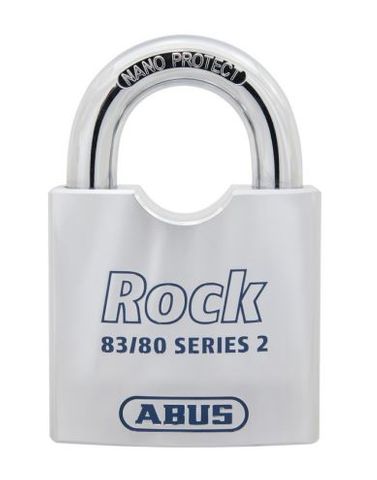
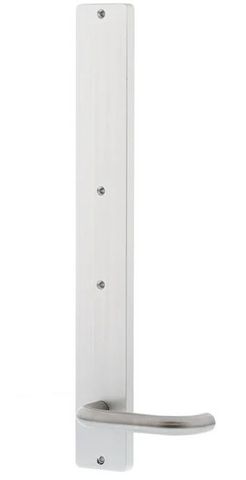
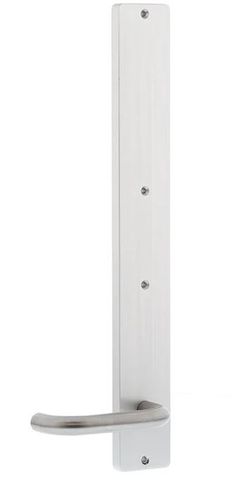

SCEC Rated Door Hardware
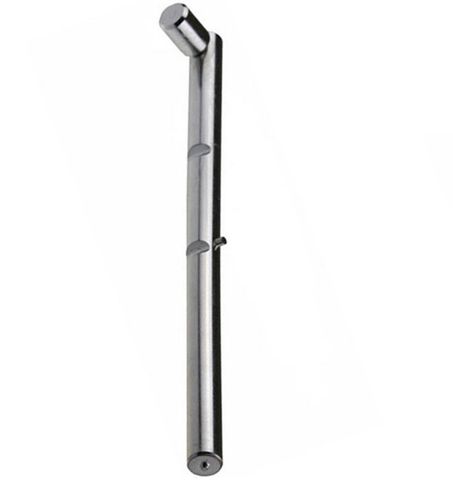
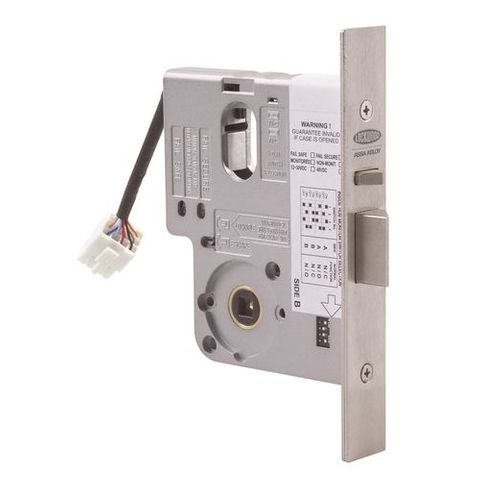
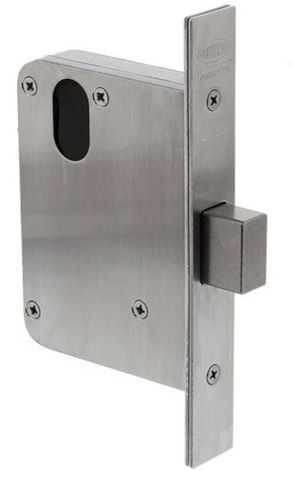
SCEC rated door hardware is specified when a site needs a higher level of assurance around physical security, product suitability, and controlled installation practices—most commonly in government, defence-aligned, and other security-sensitive environments. This category brings together a complete range of SCEC-aligned hardware types used on high-security doors, including handles and pulls, locks and latches, cylinders and restricted keying, hinges and pivots, door closers, electric strikes (where applicable), bolts, door stops, strikes/plates and essential accessories. If you’re looking to buy SCEC rated door hardware online in Australia for a project in Brisbane, across Queensland, in New South Wales or anywhere Australia-wide, the focus should always be on selecting the right function for the opening and confirming suitability against the current project requirements.
What “SCEC Rated” Means in Real Projects
In practice, “SCEC rated” is a shorthand used on projects where hardware must be selected from evaluated/endorsed equipment lists and installed in line with the security intent of the facility. These sites often require strong control over keying, documented hardware selection, and consistent, professional installation. Because requirements can differ by agency, site classification and door role (entry, internal, secure area, plant room, comms room, etc.), the smartest approach is to treat SCEC rated hardware as a complete system: the lock, the cylinder/keying, the door control, and the supporting hardware all working together.
Key Benefits of Specifying SCEC Rated Door Hardware
Reduced Security Risk Through System Consistency
High-security doors fail most often at the “weak link”. Specifying SCEC rated door hardware as a set—lock/latch + cylinder + correct strikes/keeps + appropriate door control—helps maintain consistency across doors, reduces ad-hoc substitutions, and supports the security intent of the opening.
Better Key Control and Site Governance
Security-sensitive sites often require strict control over duplication, issue and return of keys. Selecting appropriate cylinders and restricted key systems supports better governance, including clearer audit trails and controlled authorisation for key cutting and distribution—especially important across multi-site portfolios in Queensland and New South Wales.
Long-Term Reliability in High-Use Environments
Many SCEC-aligned doors are high-traffic: shared corridors, service entries, tenancy interfaces, and secure internal zones. Correctly selected hinges/pivots, durable latching, and properly sized door closers improve alignment, reduce slamming, and help doors latch reliably day after day.
Typical Applications
Government and Secure Area Fitouts
SCEC rated door hardware is commonly called up for doors protecting sensitive areas, controlled-access rooms and secure internal zones. Hardware selection is typically driven by the door’s purpose (passage vs secure vs monitored access) and the site’s security documentation.
Defence-Related and Critical Environments
For defence-aligned projects and other critical environments, the focus is often on documented hardware selection, controlled keying, and consistent installation outcomes across multiple doors and buildings—especially when facilities expand or are upgraded over time.
Secure Back-of-House vs Public-Facing Doors
Many facilities contain a mix of door types. A common approach is to specify SCEC rated hardware where security is required, while using aesthetically aligned architectural door hardware on lower-risk openings. This is where design-led finishes from Zanda or Barben can help maintain a cohesive look in public or non-restricted areas, while secure areas remain aligned to SCEC requirements and product selection rules.
Complete Hardware Coverage for SCEC Rated Openings
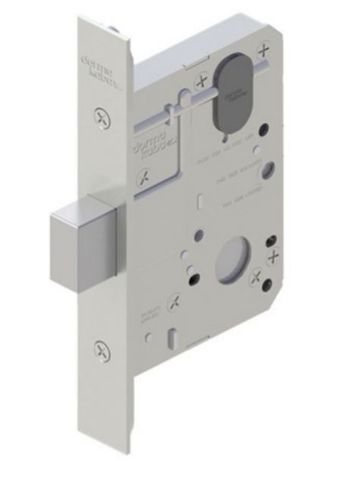
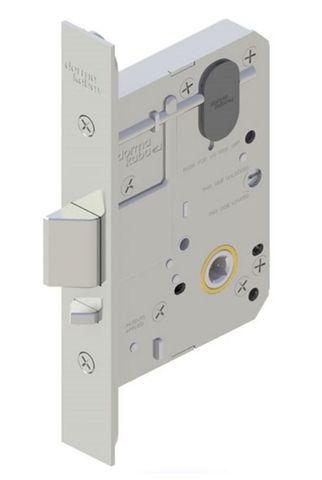
Locks, Latches and Lock Bodies
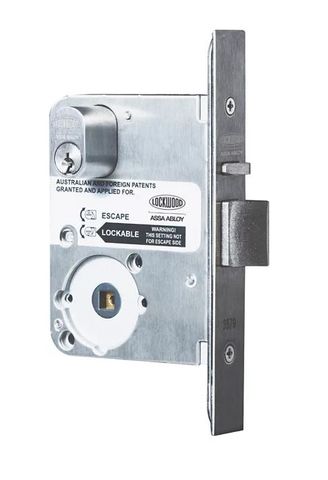
Locking is the foundation of any secure door. Depending on the door function, you may be selecting secure area mortice locks, deadlocks, nightlatches, or other approved locking devices. In Australian commercial environments, Lockwood solutions are frequently specified for robust mechanical locking and dependable performance. Where door control, access integration or commercial-grade reliability is critical, Dormakaba options are also widely used in secure-area and institutional settings. The key is matching the lock type to the door role, egress requirements where applicable, and the site’s security documentation.
Cylinders, Restricted Keying and Key Management
On SCEC-aligned projects, cylinders and keying are not an afterthought—they’re often the most operationally sensitive element. Selecting the right cylinder format and restricted key system supports controlled duplication and clear authorisation processes. For larger sites, master keying strategies can be designed so security teams can manage access efficiently without compromising control. In Brisbane and across Australia-wide portfolios, this is especially valuable for agencies and contractors maintaining multiple buildings and tenancies.
Lever Handles, Plate Furniture and Pull Handles
Hardware still needs to be user-friendly. Lever handles are common where latch retraction is required and frequent access is expected. Plate furniture can provide durability and a consistent, institutional look, while pull handles are often used on controlled doors with separate locking functions or access control. Finish selection is typically practical in secure zones—stainless steel is a common choice for durability—while matte black or brass tones may be used in adjacent, non-restricted areas for a modern, premium aesthetic.
Hinges and Pivot Hardware
Secure doors are often heavier, and even standard commercial doors become “high load” when you add high-cycle usage and strict latching requirements. Correct hinge selection helps prevent sag, binding and misalignment (which can compromise latch engagement). Where pivots are used, they need to be matched to door weight and usage so the opening remains stable and predictable over time.
Door Closers and Door Control
Door control is essential for security because a door that doesn’t reliably close and latch is a door that doesn’t reliably secure. Correctly sized door closers reduce slamming, protect frames and locks, and improve consistent latch engagement—particularly on high-traffic doors. Dormakaba door closers are frequently selected in commercial and institutional environments where controlled closing and long-term reliability are priorities.
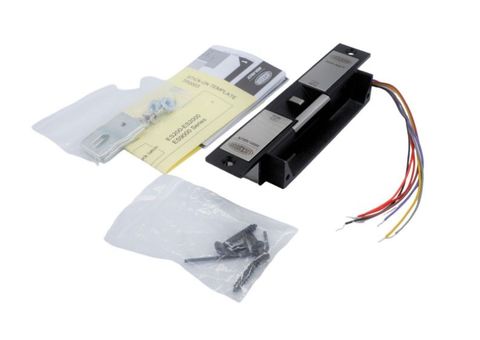
Electric Strikes and Access-Related Components (Where Applicable)
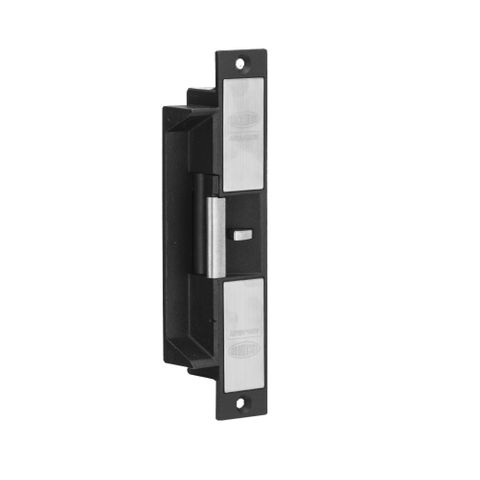
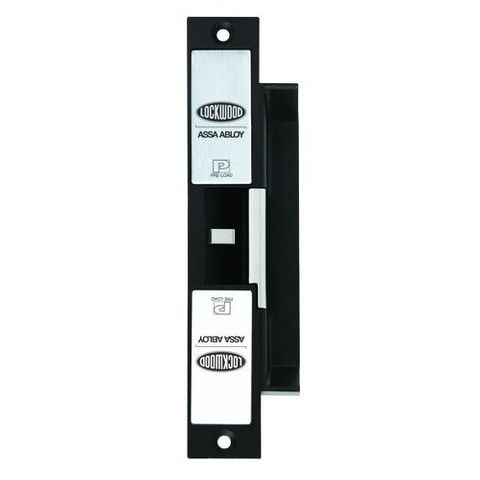
Some SCEC-aligned doors also interface with electronic access systems. In those cases, selecting compatible strikes and supporting door hardware is critical so the opening remains secure and functional—without forcing, misalignment or premature wear. Always confirm compatibility with both the lock type and the access/control specification for the project.
Bolts, Flush Bolts and Secondary Security Hardware
For paired doors or openings that require additional securing points, bolts and flush bolts may be required. These components must align cleanly with the door/frame prep and the overall locking intent. Correct selection helps maintain door alignment and reduces the risk of field modifications that can undermine performance.
Strikes, Keeps, Reinforcement Plates and Accessories
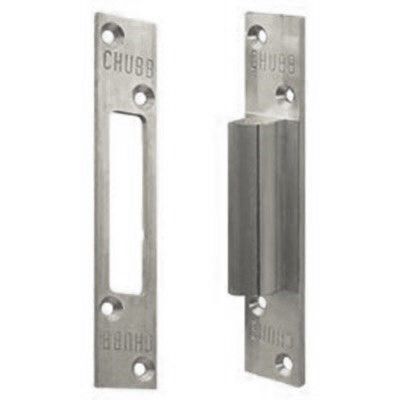
Supporting components are often where performance is won or lost. Correct strikes and keeps ensure clean engagement, while reinforcement plates and associated accessories can improve durability and reduce door/frame wear in high-use areas. These details also matter for ongoing maintenance—standardised components make service and replacement more consistent across multiple sites.
Stops and Door Protection
Door stops protect hardware, frames and adjacent walls—especially important on heavier doors and in corridors where impact damage is common. A small addition here can prevent costly repairs and keep secure openings operating smoothly.
Finishing Details (Minor Only): Seals and Thresholds
While this category is about complete door hardware, finishing details like seals and thresholds may be relevant on certain openings to reduce draughts, improve closing feel or support environmental control. Where used, they should complement—not compromise—the core security function and door latching performance.
How to Choose the Right SCEC Rated Hardware
Start with the door’s role: is it a front door, internal door, secure area door, comms room, plant room, or a controlled entry within a restricted zone? Next, confirm the required locking function (passage, privacy, keyed, secure area), then match cylinders/keying to the site’s key control plan. From there, select hinges/pivots and a door closer suited to the door weight and traffic, and finish with the correct strikes, plates and protection hardware. If your project documentation requires installation or certification by an approved provider, factor that in early—especially for government and defence-aligned work across Queensland and New South Wales.
Finishes and Design Consistency
Secure sites still care about a professional finish. Stainless steel is commonly chosen for durability and low visual maintenance. Matte black is popular in contemporary fitouts and can be used where the specification allows, while brass tones can support premium aesthetics in executive or public-facing areas. If you’re blending secure zones with general-access spaces, pairing secure, specification-led hardware with coordinated architectural ranges from Zanda or Barben on non-restricted doors can help the whole facility feel consistent without diluting security where it matters.
Local Support: Brisbane, Queensland, New South Wales and Australia-Wide
John Barnes Group supports SCEC-aligned projects from Brisbane across Queensland, services New South Wales requirements, and supplies Australia-wide for organisations standardising secure door hardware across multiple sites. Whether you’re upgrading an existing facility, managing a staged security retrofit, or building a consistent hardware schedule for ongoing maintenance, selecting the right mix of Lockwood and Dormakaba components—plus the right cylinders, strikes and supporting accessories—helps keep secure doors working properly and predictably over the long term.
Frequently Asked Questions
What is SCEC rated door hardware?
SCEC rated door hardware generally refers to hardware selected for security-sensitive environments where products may need to align with evaluated/endorsed equipment requirements and controlled installation practices. Exact requirements can vary by agency and site documentation, so selection should be confirmed against the current project specification.
Is SCEC the same as SEEPL?
SCEC is the body associated with evaluating security equipment for use in Australian Government contexts, and SEEPL is the evaluated products list used to identify approved items. On projects that require it, hardware is typically selected from the relevant list and matched to the intended application.
What types of door hardware can be SCEC rated?
Depending on the project and category, this can include locks and locking devices, cylinders/keying systems, electric strikes, and related door hardware components required to complete a compliant opening. The right mix depends on door function, security intent and the site’s specification.
Do I need a SCEC approved locksmith to install SCEC rated hardware?
Many government and secure-area projects require or strongly prefer installation and certification by appropriately approved providers, particularly where secure keying and controlled hardware is involved. Always follow the project documentation and agency requirements for installation, commissioning and certification.
Can I match secure-area hardware with architectural finishes in the rest of the building?
Yes. Many sites use durable, specification-led secure hardware in restricted areas, then match the look and feel across general-access areas with coordinated architectural door hardware. This is where finish-consistent ranges from Zanda or Barben can support a modern, premium result on non-restricted doors.
What should I consider for cylinders and key control?
Start with who needs access, how duplication is authorised, and how keys are tracked and audited. Restricted keying and structured master keying can improve governance across multiple buildings and sites. Cylinder selection must also match the lock format and the door’s use case.
Are door closers important on SCEC aligned doors?
Yes—because a secure door must reliably close and latch. A correctly selected door closer improves controlled closing, reduces slamming and helps maintain consistent latch engagement, particularly on high-traffic openings.
Can I buy SCEC rated door hardware online for delivery Australia-wide?
Yes. For best results, confirm the exact product requirement against the project specification, including the required function and any listed approvals. For larger sites, planning the whole hardware schedule up front helps maintain consistency across Brisbane, Queensland, New South Wales and Australia-wide rollouts.
Why Choose John Barnes Group?
John Barnes Group supports security-sensitive projects with a practical, systems-based approach to SCEC rated door hardware—helping you align locks, cylinders, door control and supporting components so secure doors function reliably and consistently. With trusted performance options from Lockwood and Dormakaba, and coordinated architectural ranges from Zanda and Barben for broader fitouts, we help keep specifications clear and outcomes consistent. Based in Brisbane and supporting Queensland, New South Wales and Australia-wide supply, we’re set up to assist with secure hardware schedules, standardisation and ongoing maintenance needs.