
Hopper Window
-
$52.92 inc GSTPrice:$48.11 ex GST
-
$36.61 inc GSTPrice:$33.28 ex GST
-
$37.94 inc GSTPrice:$34.49 ex GST
-
$29.63 inc GSTPrice:$26.94 ex GST
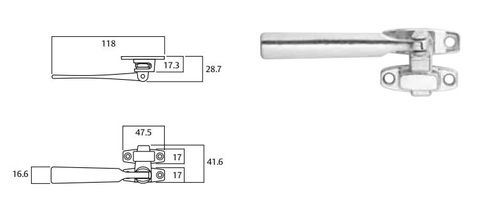
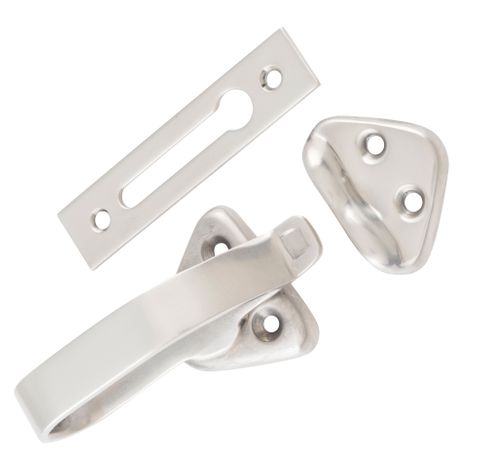
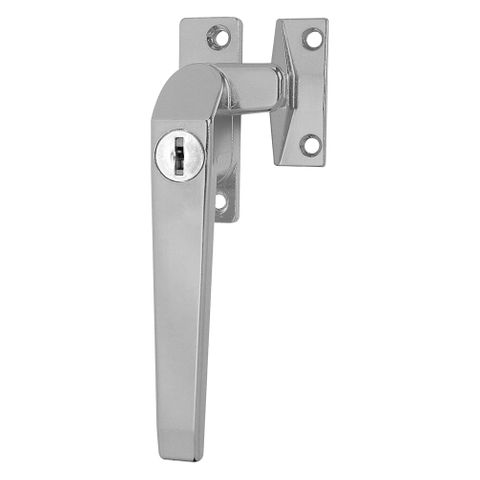
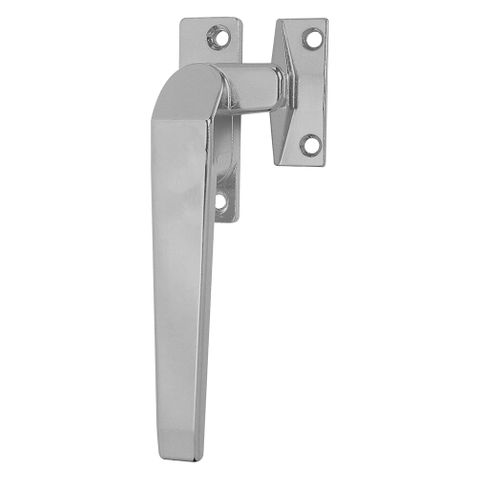
Hopper Window Hardware
Hopper windows are a smart, space-efficient choice for bathrooms, laundries, stairwells, apartments and commercial fitouts—especially where ventilation, privacy and safe airflow matter. Because hopper sashes operate differently to awning or casement windows, they rely on hardware that can hold the sash securely, control the opening angle, and keep the window feeling tight and reliable over time. This category covers hopper window hardware across the complete opening: window fasteners and locks, handles, hinges and friction stays, restrictors and limiters, strike/keeper plates, bolts and security accessories—so you can buy hopper window hardware online with confidence for residential and commercial projects across Australia.
Why the Right Hopper Window Hardware Matters
A hopper window often opens inward and can be exposed to frequent use in wet areas and shared facilities. The right hardware improves everyday comfort and reduces maintenance: smoother operation, fewer rattles, better alignment, safer ventilation, and more consistent security. In Brisbane and across Queensland, humidity and coastal-adjacent conditions make corrosion resistance and finish durability important. In New South Wales, varied seasonal changes can make reliable closing pressure and consistent latching feel even more noticeable—especially in older buildings where frames can move over time.
Safer Ventilation Without Compromise
Hopper windows are commonly chosen where you want airflow but also need control—like bathrooms and laundries. Restrictors, limiters and security-focused fasteners let you ventilate while helping reduce unwanted access and preventing the sash from opening too far in day-to-day use.
Security, Privacy and Peace of Mind
For ground-floor rooms, strata properties and commercial amenities, lockable fasteners are a practical upgrade. Many hopper window fasteners come in key-lockable and push-button locking formats, helping you align the window’s function to the space—privacy at home, controlled access in a business, or added security on lower levels.
Long-Term Reliability in High-Use Areas
Hotels, schools, healthcare and office amenities can put serious cycles on window hardware. Choosing dependable, fit-for-purpose fasteners, hinges/stays and keepers reduces call-backs and helps maintain smooth closure and consistent engagement at the latch point.
Common Hopper Window Applications
Residential Bathrooms, Laundries and Apartments
In homes and units, hopper windows are popular where wall space is tight and privacy is essential. Hardware selection often focuses on easy one-hand operation, clean aesthetics, and finishes that match door and tapware themes—matte black for modern builds, satin chrome or stainless steel for timeless durability, and white finishes for classic aluminium joinery.
Commercial Amenities, Corridors and Back-of-House Areas
In commercial spaces, hopper windows are frequently used for ventilation in bathrooms, corridors, storerooms and plant-adjacent areas. Here, durability and consistent locking matter most, along with hardware that can handle frequent operation and keep alignment.
Education, Healthcare and Strata Maintenance
For facilities teams and strata managers, standardising hopper window hardware across multiple rooms or sites can simplify maintenance. Consistent fasteners, restrictors and keepers make replacements faster and help keep a uniform appearance across the building.
What’s Included in Hopper Window Hardware
Window Fasteners and Catches
Fasteners are the core “touch point” for most hopper windows—designed to pull the sash closed and hold it securely. Common formats include push-button locking styles for convenience and key-lockable fasteners for added security. Within Australian projects, Lockwood and Whitco are widely recognised names in window fastening and security hardware, offering practical solutions that suit many aluminium and timber window systems.
Locks and Key-Lockable Options
If the hopper window is in a vulnerable location (ground floor, accessible balcony, public area), a lockable fastener can be a sensible upgrade. Key-lockable hardware supports controlled access, while push-lock styles can provide quick day-to-day security without changing how the window looks. Where keyed functionality is used, the “lock” is commonly integrated into the fastener design rather than relying on separate door-style cylinders.
Handles and Operating Hardware
Some hopper window configurations use dedicated operating handles or pull points to make opening and closing easier—particularly if the sash is larger or the window sits higher on the wall. Selecting a comfortable, well-proportioned handle improves usability and helps reduce stress on hinges and stays over time.
Hinges, Friction Stays and Pivot Hardware
Hopper windows typically rely on hinge or stay systems suited to the sash weight and movement. Friction stays can help control motion and resist “flopping”, while hinge systems support alignment and consistent closing. Correct selection here is key to preventing binding, uneven gaps and premature wear—especially in wet areas where condensation and cleaning chemicals can be hard on finishes.
Restrictors, Limiters and Safety Accessories
Opening control accessories help manage how far the sash can open. This can support safer ventilation, reduce the risk of the sash swinging too far, and help limit access where needed. Restrictors are particularly useful in apartments, strata properties and commercial amenities where controlled opening is a priority.
Bolts and Additional Security Hardware
Depending on the window design, additional bolts or secondary locking points may be used to increase resistance to forced opening or to stabilise the sash. These solutions are often selected when the window is large, frequently used, or installed in a higher-risk location.
Strikes, Keeper Plates and Closing Hardware
Reliable closure depends on good engagement between the fastener and its keeper. Keeper plates (strikes) provide a consistent point of contact, helping the fastener pull the sash in firmly and reducing rattle. When retrofitting, replacing a worn keeper can be just as impactful as replacing the fastener itself.
Stops and Protection Accessories
Where a sash might contact a wall lining or reveal, small protection accessories can reduce impact wear. These finishing details help preserve the surrounding surfaces and maintain a clean presentation over time, particularly in commercial maintenance environments.
How to Choose the Right Hopper Window Hardware
Start with the window material and sash size. Aluminium-framed hopper windows often suit certain fastener footprints and keepers, while timber windows can offer different fixing flexibility. Next, choose the function: standard catch, push-lock convenience, or key-lockable security. Then confirm the opening control needs—whether a restrictor or limiter is required for safety, ventilation control, or building management policies. Finally, align the finish with the rest of the space so the window hardware complements nearby architectural door hardware and fixtures.
General Measurement and Retrofit Tips
For replacements, match the existing fastener footprint where possible to minimise rework. Check screw hole spacing, keeper position and sash alignment before ordering. If the window has become harder to latch over time, the solution may be hinge/stay wear or sash movement—so pairing a new fastener with updated stays or adjusted keepers can restore a crisp closing feel without major joinery changes.
Finishes for Modern, Contemporary and Premium Spaces
Hopper window hardware is often selected to match the broader interior palette. Matte black remains a favourite for contemporary builds and architectural renovations. Satin chrome and stainless steel finishes are popular in residential and commercial settings for their clean look and everyday durability. White finishes can blend seamlessly with common window frames for a discreet, minimal effect. When coordinating across a project, many customers align window finishes with door levers, pulls and locks—using ranges from Zanda and Barben for design-forward interiors, and relying on proven commercial performance options from Lockwood and Dormakaba for busy areas and consistent site-wide standards.
Local Supply for Brisbane, Queensland, New South Wales and Australia-Wide
John Barnes Group supports builders, facility teams and renovators in Brisbane and across Queensland with hopper window hardware suited to both maintenance and new work. We also supply New South Wales projects and ship Australia-wide, making it easier to standardise window hardware across multi-site portfolios or order replacements fast when uptime matters. Whether you’re upgrading a single bathroom window at home or managing a commercial amenities program, you’ll find practical options designed for Australian conditions and real-world use.
Frequently Asked Questions
What is hopper window hardware?
Hopper window hardware includes the components that allow a hopper sash to open, close and lock reliably—typically fasteners (catches), lockable options, keepers/strike plates, hinges or friction stays, restrictors/limiters, and supporting accessories used to maintain alignment and controlled operation.
Can I buy hopper window hardware online in Australia?
Yes. You can buy hopper window hardware online through John Barnes Group and select options based on function (standard, push-lock, key-lockable), frame type, and finish to suit residential and commercial applications Australia-wide.
Should I choose push-lock or key-lockable window fasteners?
Push-lock fasteners are convenient for everyday security and quick operation, while key-lockable fasteners are often preferred for ground-floor windows, accessible areas, or sites needing controlled access. The right choice depends on location, risk profile and how the window is used.
My hopper window won’t latch properly—do I need a new fastener?
Sometimes the fastener is worn, but misalignment can also come from hinge/stay wear, frame movement or a damaged keeper plate. Replacing or adjusting the keeper, and checking hinges or friction stays, can restore proper engagement and a tighter closing feel.
What finishes are available for hopper window hardware?
Common finishes include matte black, satin chrome, stainless steel tones, chrome plate and white. Choosing a finish that matches nearby door hardware and fixtures helps create a cohesive, modern look across the space.
Do hopper windows need restrictors or limiters?
Many hopper windows benefit from restrictors or limiters where controlled ventilation is needed or where you want to prevent the sash opening too far. They’re especially useful in apartments, strata properties, commercial amenities and family homes where safer ventilation is a priority.
Are Lockwood and Whitco suitable for hopper window applications?
Lockwood and Whitco are commonly specified brands for window fasteners and related security hardware in Australian projects. Selection should be based on the window frame type, required function, and compatibility with the existing keeper and fixing points.
Can I standardise hopper window hardware across a building or multi-site portfolio?
Yes. Standardising fasteners, keepers and opening control accessories simplifies maintenance, supports consistent operation, and helps keep finishes uniform across rooms and locations—particularly useful for strata, education and facilities management.
Why Choose John Barnes Group?
John Barnes Group makes it easier to specify and replace hopper window hardware with ranges that suit Australian conditions and real-world use. From practical window fastening solutions commonly used across the country to coordinated architectural finishing choices that match modern interiors, we help you select hardware that performs and looks right. With support from Brisbane across Queensland, servicing New South Wales, and Australia-wide delivery, you can keep projects consistent—whether it’s one replacement or a whole-building standardisation program.