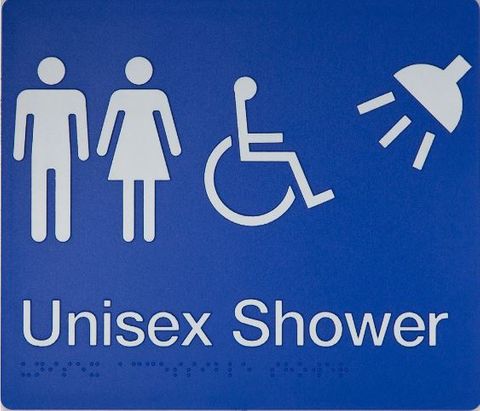
Disabled Shower
-
$50.30 inc GSTPrice:$45.73 ex GST
Disabled Shower Hardware
Disabled shower spaces need hardware that’s easy to use, safe in wet environments, and dependable under frequent cleaning and daily traffic. Whether you’re fitting out an accessible shower room in a commercial facility, upgrading amenities for an aged care site, or completing an NDIS-style bathroom modification at home, this category brings together a broad range of disabled shower hardware to suit the doors and fittings typically found around accessible shower areas. From easy-grip handles and pull bars to privacy locks, emergency access solutions, heavy-duty hinges, door closers, bolts, stops, strikes, plates and compatible accessories, John Barnes Group makes it simple to buy disabled shower hardware online for projects across Brisbane, Queensland, New South Wales and Australia-wide.
Why Disabled Shower Hardware Is Different
Accessible shower environments place unique demands on hardware. Touch points must be intuitive and comfortable for a wide range of users, door operation should be smooth with minimal force, and components should resist corrosion and stand up to regular cleaning. In commercial settings, you’re often balancing privacy, safety, emergency access, and durability. In residential settings, you’re typically focused on independence, comfort, and a clean, modern look that matches the rest of the home’s architectural door hardware.
Key Benefits for Accessible Shower Spaces
Safer, Easier Operation
Hardware choices can improve accessibility immediately. Easy-to-grip lever handles, pull handles, and well-positioned locks and latches help users open and close doors confidently. For many accessible shower rooms, selecting hardware that feels “effortless” is just as important as how it looks.
Wet-Area Durability
Moisture, steam and cleaning chemicals can shorten the life of standard fittings. Choosing suitable materials and finishes helps reduce corrosion, sticking latches, and premature wear. Stainless steel is a common choice for reliability in wet areas, while matte black and other architectural finishes can work well when chosen thoughtfully for the environment and cleaning regime.
Privacy with Practical Emergency Considerations
Disabled shower rooms in public or commercial spaces often need privacy hardware that can also support emergency access if required by the facility’s design brief. Selecting the right lock or indicator solution helps maintain dignity for the user while supporting operational needs for staff and facility managers.
Where Disabled Shower Hardware Is Commonly Used
Commercial & Public Amenities
Shopping centres, stadiums, community facilities, education sites and workplaces typically require robust, easy-clean hardware that performs under constant use. Door closers, heavy-duty hinges, durable levers or pull handles, and practical privacy solutions are commonly specified to keep doors operating consistently day after day.
Healthcare, Aged Care & Assisted Living
In healthcare and aged care environments, hardware is selected for reliability, hygiene-friendly design and easy operation. Smooth closing, dependable latching and sensible door protection (stops and buffers) can reduce maintenance callouts and improve day-to-day usability for staff and residents.
Residential Accessibility Upgrades
Home modifications often aim to blend accessibility with modern style. Contemporary lever handles, coordinated backplates, and premium finishes can match the home’s overall aesthetic. Zanda and Barben options can help achieve a clean, modern look, while maintaining the practical benefits needed for an accessible shower space.
What’s Included in Disabled Shower Hardware
Handles, Levers & Pull Handles
Handles are the primary touch point, so comfort and control matter. Lever handles are popular because they’re intuitive and easy to operate for many users. Pull handles and pull bars can also be used where a stronger grip or clear “push/pull” action is preferred, especially on amenity doors or where hands may be wet. For cohesive design, consider matching the handle finish with other architectural door hardware in the bathroom or facility—matte black for a contemporary look, stainless steel for durable practicality, or warmer metallic tones where the broader interior palette calls for it.
Locks, Latches & Privacy Hardware
Disabled shower rooms commonly use privacy latches or indicator-style solutions, depending on the door type and facility needs. The right latch should engage cleanly without requiring excessive force, and it should stay reliable under frequent use. In higher-traffic environments, dependable commercial-grade solutions—often associated with brands like Lockwood—can help reduce maintenance issues and keep operation consistent.
Cylinders & Keyed Access Where Required
Some accessible shower or change-room doors require controlled access for staff areas, shared facilities, or back-of-house amenities. Where keyed access is needed, selecting compatible cylinders and lock formats ensures smooth operation and a consistent security approach across the site. If you’re standardising across a facility or multiple sites, choosing a consistent cylinder format can simplify ongoing maintenance and future replacements.
Hinges, Pivots & Door Movement Hardware
Door movement should be smooth, stable and predictable. Hinges are typically chosen for durability and appropriate load capacity, especially on heavier doors or high-traffic openings. In some commercial or architectural builds, pivot systems may be used to create a premium movement feel and improved control over alignment. Selecting the right hinge or pivot setup can reduce sagging and help the door latch more reliably over time.
Door Closers for Controlled, Quiet Closing
In many commercial amenity and healthcare settings, door closers help the door return to a closed position reliably, reduce slamming, and improve latch engagement. Controlled closing also supports a calmer, quieter environment—particularly important in healthcare or aged care. Dormakaba solutions are commonly specified where door control and consistent closing performance are priorities.
Bolts, Indicator Bolts & Double Door Options
Some amenity layouts use double doors or require additional securing points. In these cases, bolts or auxiliary locking components may be used to stabilise the inactive leaf or support privacy and security requirements. Selecting bolts that suit the door type and usage helps maintain alignment and reduces rattling or movement over time.
Door Stops, Buffers & Protection Accessories
Accessible shower areas often have hard surfaces—tiles, masonry walls, and glazed partitions—so door protection is essential. Door stops and buffers help prevent handle impact damage, protect walls and partitions, and reduce long-term wear on hinges and frames. These small components can significantly reduce maintenance and keep amenity areas looking better for longer.
Strikes, Plates, Edge Protection & Finishing Hardware
The “finishing” pieces matter for performance. Correct strikes and keeps help latches engage smoothly. Plates can protect door faces in high-traffic settings and create a neat visual finish. Edge protection and compatible accessory plates can also improve durability where users may steady themselves on the door or where trolleys and cleaning equipment move through tight spaces.
Signage & Wayfinding Accessories
Clear signage is often part of an accessible amenity solution, helping users locate facilities quickly and confidently. Where required, selecting signage and indicators that coordinate with door hardware finishes can create a more professional and consistent fitout across the building.
Seals & Thresholds as Minor Finishing Details
While this category is focused on complete hardware solutions, some projects also incorporate light “finishing” items like seals or thresholds to help manage noise, draughts, or door closing feel—particularly where shower rooms open to conditioned spaces. These should be selected to suit the door type and accessibility requirements of the opening.
How to Choose the Right Disabled Shower Hardware
Start With the Door’s Function and Traffic
Is it a single-user accessible shower room in a workplace, a high-traffic public amenity, or a private residential bathroom upgrade? Higher traffic generally calls for more robust hinges, stronger latching, and often a door closer to protect the opening and keep operation consistent.
Prioritise User-Friendly Grip and Low-Force Operation
Choose lever handles and pull solutions that are comfortable to hold and easy to operate with wet hands. Smooth latch action and correct alignment also reduce the effort required to open and close the door.
Select Wet-Area-Appropriate Materials and Finishes
Stainless steel is a common choice for accessible shower areas due to its practical durability. Matte black can look premium and contemporary, but in wet environments it’s important to consider cleaning routines and overall finish coordination. Where a warmer aesthetic is required, brass-toned options can be used as accents—particularly when matching other premium architectural door hardware across a project.
Think in “Systems,” Not Single Parts
Great results come from hardware that works together: the handle and latch should match, the hinges or pivots should suit the door’s weight and usage, and the closer (if used) should support consistent latching. Mixing components without considering compatibility can lead to doors that feel heavy, misalign, or fail to latch reliably over time.
Local Support: Brisbane, Queensland, New South Wales & Australia-Wide
John Barnes Group supports accessible amenity and disabled shower projects in Brisbane and across Queensland, with supply and support for facilities and fitouts throughout New South Wales and Australia-wide delivery via our online store. Whether you’re standardising hardware for a multi-site portfolio or sourcing a one-off replacement for a maintenance job, this category helps you select compatible, durable hardware solutions suited to accessible shower environments.
Frequently Asked Questions
What is “disabled shower hardware”?
It refers to door and amenity hardware commonly specified for accessible shower rooms and change facilities—such as easy-to-use handles and pulls, privacy locks/latches, heavy-duty hinges or pivots, door closers, bolts, stops, strikes/plates and compatible accessories designed for durability and user-friendly operation in wet-area environments.
What handles are best for accessible shower room doors?
Lever handles are often preferred for their easy operation, while pull handles or pull bars can be useful where a stronger grip or clearer push/pull action is desired. The best choice depends on the door function (passage, privacy, controlled access) and how users will interact with the door.
Do disabled shower doors need special locks or latches?
Many accessible shower rooms use privacy hardware or indicator-style solutions, especially in commercial settings. Selection should prioritise smooth, reliable latching with minimal force and should align with the facility’s privacy and operational needs.
Should I use a door closer on an accessible shower room door?
In commercial and public amenities, door closers are commonly used to control slamming, improve latch engagement, and help the door return to a closed position consistently. In residential upgrades, they may be optional, depending on user preference and the door’s location.
Which finishes are most suitable for wet-area accessible hardware?
Stainless steel is a popular choice for wet areas due to its practical durability and clean look. Matte black can suit modern designs, and brass-toned finishes can add warmth in premium interiors. Consider the space’s cleaning routine and the overall finish coordination across the project.
Can I standardise disabled shower hardware across a facility?
Yes. Standardising lever sets, latches, cylinders (where used), hinges and closers can simplify maintenance, improve consistency for users, and make future replacements easier—especially across multi-site operations in Queensland, New South Wales and beyond.
Are brands like Dormakaba, Lockwood, Zanda and Barben relevant to accessible shower projects?
Yes. Dormakaba is commonly specified for door control and commercial-grade performance, while Lockwood is widely used for robust locking and latching solutions. For premium, design-forward architectural finishes, Zanda and Barben offer options that can help accessible spaces look cohesive and modern.
What’s the easiest way to choose the right hardware for my disabled shower door?
Start with the door function (passage, privacy, controlled access), then match the hardware system: handle/pull + latch/lock + hinges/pivots + closer (if needed) + stops and strikes. Choosing compatible components that suit the door type and traffic level is the best way to achieve smooth operation and long-term reliability.
Why Choose John Barnes Group?
John Barnes Group helps you specify disabled shower hardware that performs reliably in wet-area and high-use environments, without sacrificing a clean architectural finish. With dependable commercial solutions from Dormakaba and Lockwood, plus premium, design-led options from Zanda and Barben, you can build a complete, compatible hardware system—from handles and latches through to hinges, closers and finishing accessories. Based in Brisbane and supporting Queensland, New South Wales and Australia-wide delivery, we make it easier to source the right hardware for accessible shower projects of any scale.