Power Transfer Devices
-
$47.08 inc GSTPrice:$42.80 ex GST
-
$51.37 inc GSTPrice:$46.70 ex GST
Power Transfer Devices
Keep your electronic locks, access control systems and door hardware powered safely and reliably with our range of power transfer devices. Whether you’re wiring up a high-traffic commercial entry, upgrading a residential front door with smart locking, or designing a full architectural door hardware package, John Barnes Group makes it easy to buy power transfer devices online for projects in Brisbane, across Queensland, New South Wales and Australia-wide.
From concealed power transfer units to robust door loops and electrified hinges, our range is curated to integrate seamlessly with popular brands like Barben, Dormakaba, Lockwood and Zanda. The result is a professional finish that protects your cabling, maintains door performance and supports secure, modern access control on both internal and external doors.
What Are Power Transfer Devices?
Power transfer devices are specialist components that safely route electrical power and data from a door frame into a moving door leaf. They protect and manage the wiring for products such as electric mortice locks, electric strikes, magnetic locks, door position switches and other access control hardware.
Instead of running exposed cables that can be damaged, pinched or tampered with, a power transfer device keeps everything contained and protected. This is essential wherever you’re installing electronic locking or monitoring hardware on front doors, fire doors, corridor doors, glass doors or high-security zones in commercial, industrial and residential properties.
In a typical modern fitout, you’ll see power transfer devices used alongside architectural door hardware from brands like Lockwood, Dormakaba, Barben and Zanda to deliver a clean, contemporary look with reliable, long-term performance.
Types of Power Transfer Devices in This Range
Concealed Power Transfer Devices
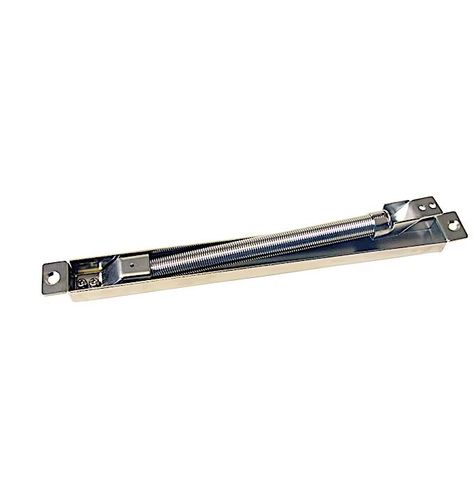
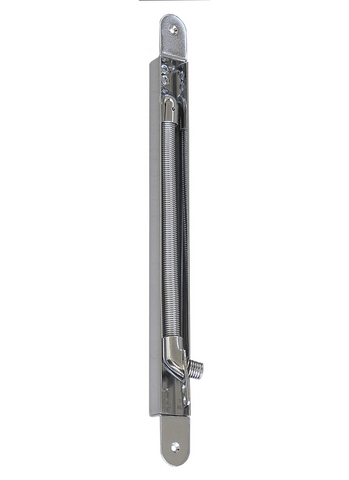
Concealed power transfer devices are mounted within the door and frame so they’re hidden from view when the door is closed. They’re a popular choice in modern and contemporary interiors where a minimalist aesthetic is important, such as premium apartments, office suites, healthcare facilities and education projects.
These units are ideal when you’re pairing high-end architectural door hardware from Barben or Zanda with electronic locking hardware. By hiding the cable path, you protect the wiring from vandalism and accidental damage while maintaining a sleek, uninterrupted door face.
Surface-Mounted Door Loops
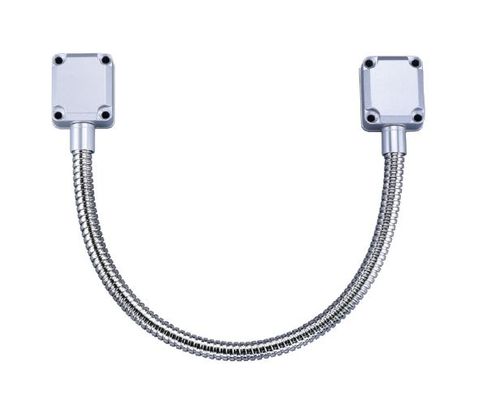
Surface-mounted door loops are a straightforward solution for running power from the frame to the door on existing openings. They’re commonly used on retrofit jobs, heritage refurbishments and industrial environments where full morticing is not practical.
A door loop provides a flexible, protected conduit between the door and frame, making it suitable for heavy doors, external gates, plant room doors and service entries. When combined with robust Lockwood or Dormakaba electronic locks, they offer a practical way to upgrade security without major structural changes.
Electrified Hinges and Pivot Solutions
Some projects call for a totally integrated solution. Electrified hinges or pivot-type power transfer devices route wiring through the hinge knuckle or pivot point, keeping the wiring hidden, tidy and secure.
This style is especially useful on heavy commercial doors where you’re already specifying premium hinges and closers. It delivers a clean, architectural result that pairs well with stainless steel, matte black or brushed metal door hardware sets.
Where Power Transfer Devices Are Used
Commercial and Industrial Applications
In commercial offices, retail centres, hospitals, education and industrial facilities across Queensland and New South Wales, power transfer devices are now standard whenever electronic access control is installed. They help keep critical cabling away from high-traffic wear and tear, trolleys and vandalism, contributing to the long-term reliability of your security system.
Typical uses include:
- Main entry doors with card readers or keypads
- Fire-rated doors with electric mortice locks
- Secure storerooms and plant rooms
- Lift lobby and corridor doors with access control
- Staff-only or back-of-house entries
When combined with Dormakaba access control systems or Lockwood electric locks, a correctly selected power transfer device helps ensure the wiring is safely housed and serviceable for years to come.
Residential and Multi-Residential Projects
In residential settings, power transfer devices are increasingly used on front doors and apartment entries that feature smart locks, intercom systems or electronic strikes. They provide a discreet way to hide cabling while coordinating neatly with contemporary hardware from brands such as Barben and Zanda.
For multi-residential projects in Brisbane and other growth corridors across Queensland and New South Wales, a consistent choice of power transfer device across all units can streamline installation, maintenance and future upgrades while keeping the look cohesive.
Internal and External Doors
Depending on the model selected, power transfer devices can be suitable for both internal and external doors. For external or semi-exposed locations, you’ll generally look for robust construction and, where applicable, a finish that coordinates with your external hardware – for example stainless steel for coastal regions, or matte black for modern façades.
Internally, compact and concealed devices help maintain the clean lines of doors fitted with contemporary levers, pulls and plates from Barben, Lockwood or Zanda.
Choosing the Right Power Transfer Device
Door Type and Frame Construction
Your choice of power transfer solution will depend on the door and frame construction (timber, steel, aluminium, solid core, etc.), as well as whether it’s a new build or retrofit. Concealed units often require specific cut-outs during fabrication or onsite morticing, while surface door loops can be added to existing doors with minimal disruption.
Cable Capacity and Function
Different devices support different cable quantities and diameters. Consider how many conductors you need for your electric lock, reader, door position switch or other hardware, plus any likely future additions. Selecting a device with appropriate cable capacity upfront helps avoid rework down the track.
Aesthetics and Architectural Hardware Coordination
On high-visibility doors, aesthetics matter. In these cases, power transfer devices should complement the overall hardware schedule. Matching stainless steel components with stainless Barben pulls or Lockwood plate furniture, or choosing a subtle black component to sit alongside matte black Zanda levers, will give a cohesive architectural finish.
Traffic Level and Durability
In high-traffic commercial environments, choose robust devices designed to handle constant opening and closing without stressing the cable. When paired with high-quality hinges, closers and Dormakaba or Lockwood electronic locks, a well-selected power transfer device contributes to a reliable, low-maintenance door set.
Installation and Integration Guidance
Power transfer devices should always be installed by suitably skilled tradespeople, such as locksmiths, door hardware installers or electricians, particularly where access control and life safety systems are involved.
General considerations include:
- Confirming door handing, opening angle and clearances before cutting or fixing
- Ensuring cable bends are within recommended limits to prevent damage
- Keeping the device and cabling clear of hinges, closers and other moving parts
- Testing lock operation and signal functions before final commissioning
When you source your power transfer devices from John Barnes Group, our team can help you match the right products to Lockwood, Dormakaba, Barben and Zanda hardware packages, so your system works as intended from day one.
Frequently Asked Questions
What does a power transfer device do on a door?
A power transfer device safely routes electrical power and data from the door frame into the moving door leaf. It protects the cable from being pinched, cut or tampered with and is essential whenever you install products like electric mortice locks, electric strikes, readers or door monitoring on hinged doors.
Do I need a power transfer device for every electronic lock?
If you’re running wiring from the frame into a hinged door, you’ll almost always need some form of power transfer device. The exact style – concealed unit, door loop or electrified hinge – depends on the application, aesthetics and installation constraints, but some method of protecting the cable is highly recommended.
Are power transfer devices suitable for fire doors?
Many power transfer devices are suitable for use on fire doors when used with compatible fire-rated locks and hardware. However, always check the specific product information and project requirements, and work with qualified trades who understand fire door regulations in Australia.
Can I retrofit a power transfer device to an existing door?
Yes. Surface-mounted door loops are commonly used to retrofit electronic locking onto existing openings without extensive modification. Some concealed units can also be fitted as a retrofit solution, provided there is adequate material and access in the door and frame. A professional installer can advise which option is most practical.
Will a power transfer device affect the look of my door?
It doesn’t have to. Concealed devices are hidden when the door is closed, making them ideal for modern, premium interiors. Even when a surface loop is required, choosing finishes that complement your Barben, Dormakaba, Lockwood or Zanda hardware helps maintain a clean, coordinated appearance.
Are power transfer devices suitable for external doors?
Many power transfer devices can be used on external doors, provided they are installed correctly and chosen with environmental conditions in mind. Look for robust construction and finishes that suit your setting, such as stainless steel for coastal areas or durable black finishes for contemporary façades.
How do I know which power transfer device is right for my project?
Consider the door type, frame construction, traffic level, required cable capacity and desired appearance. It also helps to know which electronic locks and access control components you’re using. The John Barnes Group team can help you select compatible power transfer devices for projects in Brisbane, Queensland, New South Wales and Australia-wide.
Can I install a power transfer device myself?
Because power transfer devices involve wiring and door hardware, they are best installed by qualified locksmiths, hardware installers or electricians. This helps ensure reliable operation, maintains any applicable warranties and supports compliance with relevant building and safety requirements.
Why Choose John Barnes Group?
John Barnes Group has been supporting builders, locksmiths, facility managers and security professionals across Brisbane, Queensland, New South Wales and Australia-wide for decades. Our curated range of power transfer devices is selected to work seamlessly with leading brands like Barben, Dormakaba, Lockwood and Zanda, giving you confidence in every door set. When you buy power transfer devices online from us, you’re backed by knowledgeable support, reliable stock and a commitment to quality that makes specifying and installing modern architectural door hardware straightforward.