Anti-Microbial
-
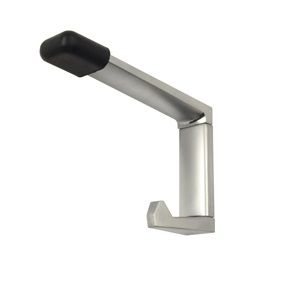
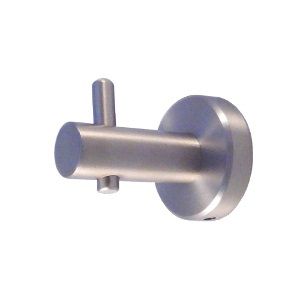
202C_HOOK_ANMBStock Level:Available to Order$13.98 inc GSTPrice:$12.71 ex GST
-
$67.69 inc GSTPrice:$61.54 ex GST
-
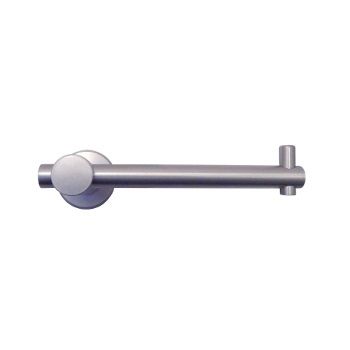
700_TRH_ANMBStock Level:Available to Order$98.21 inc GSTPrice:$89.28 ex GST
-
$45.41 inc GSTPrice:$45.41 ex GST
-
$73.08 inc GSTPrice:$73.08 ex GST
-
$85.02 inc GSTPrice:$85.02 ex GST
-
$99.28 inc GSTPrice:$99.28 ex GST
-
$103.46 inc GSTPrice:$103.46 ex GST
-
ANMB_MLR101_XStock Level:Available to Order$137.10 inc GSTPrice:$137.10 ex GST
-
ANMB_MLR102_XStock Level:Available to Order$137.10 inc GSTPrice:$137.10 ex GST
-
ANMB_MLR103_XStock Level:Available to Order$139.66 inc GSTPrice:$139.66 ex GST
-
ANMB_MLR112Stock Level:Available to Order$100.52 inc GSTPrice:$100.52 ex GST
-
$193.15 inc GSTPrice:$193.15 ex GST
-
$193.15 inc GSTPrice:$193.15 ex GST
-
$131.10 inc GSTPrice:$131.10 ex GST
-
$131.10 inc GSTPrice:$131.10 ex GST
-
$224.75 inc GSTPrice:$224.75 ex GST
-
$224.75 inc GSTPrice:$224.75 ex GST
-
$142.60 inc GSTPrice:$142.60 ex GST
-
$142.60 inc GSTPrice:$142.60 ex GST
-
$65.10 inc GSTPrice:$65.10 ex GST
-
$121.91 inc GSTPrice:$110.83 ex GST
-
MLR119C_VP_ANMBStock Level:Available to Order$428.65 inc GSTPrice:$428.65 ex GST
-
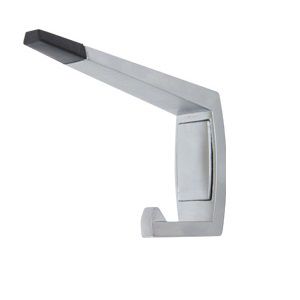
MODA_HOOK_SCPStock Level:Available to Order$10.82 inc GSTPrice:$9.84 ex GST
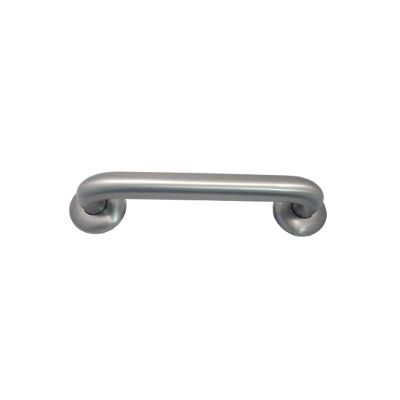
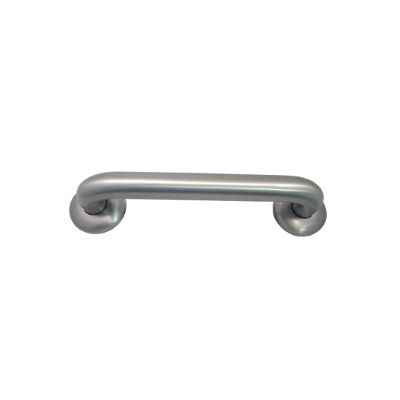
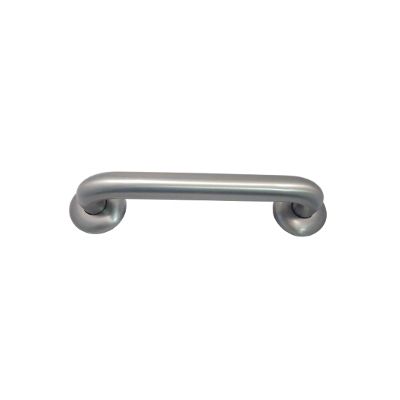
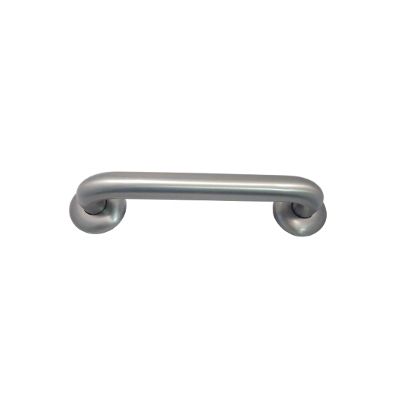
Anti-Microbial Door Hardware
High-touch door hardware is one of the busiest contact points in any building. Anti-microbial door hardware is designed to support better hygiene outcomes by helping reduce microbial load on frequently handled surfaces—ideal for healthcare, aged care, education, hospitality, offices and high-traffic public facilities. At John Barnes Group, you can buy anti-microbial door hardware online for a complete opening solution, from handles and pulls through to locks, latches, cylinders, hinges, pivots, door closers, bolts, stops, strikes, plates and essential accessories—suited to both residential and commercial applications across Australia.
Why Choose Anti-Microbial Hardware?
Anti-microbial hardware is often specified to complement cleaning programs and broader infection control strategies, especially in environments where many people move through the same doors every day. The key benefit is confidence: doors remain practical and durable, while the touch surfaces are selected with hygiene in mind. This is particularly valuable across Brisbane and wider Queensland where facilities operate year-round at high occupancy, and throughout New South Wales where mixed-use buildings need robust, easy-maintenance hardware choices.
Support Hygiene Without Compromising Design
Modern anti-microbial options don’t need to look “clinical”. Many ranges are available in contemporary, premium styles that suit architectural door hardware specifications—helping you maintain a consistent design language across internal and external doors while meeting application requirements.
Ideal for High-Traffic, High-Touch Openings
Think entry doors, corridor doors, amenities, shared meeting rooms, ward and consultation doors, learning spaces, staff access points and back-of-house service doors. Anywhere hands go, the right product selection can help reduce maintenance headaches and keep the opening performing smoothly.
What Makes Hardware “Anti-Microbial”?
Anti-microbial performance can be achieved in different ways depending on the product: through specific base materials (commonly certain copper-based alloys), surface treatments, or protective coatings designed to inhibit microbial growth on the hardware surface. Because products vary, it’s best to select based on your application, durability needs, cleaning regime and finish requirements—without relying on a single “one-size-fits-all” claim. In practice, anti-microbial hardware works best as part of a whole-building approach: smart specification, correct installation and consistent cleaning.
Complete Anti-Microbial Hardware for the Whole Door Opening
Handles, Levers & Pull Handles
Handles are the most frequent touch point, so they’re often the first priority in an anti-microbial specification. Lever handles support accessibility and ease of use for internal doors, while pull handles are popular for commercial entries and high-traffic environments where a premium, confident grip matters. Anti-microbial options may be available in a range of shapes and sizes to suit modern and contemporary interiors, with finish choices that coordinate across a fitout. Where reliability and long-term performance are critical, Lockwood lever and latch solutions are commonly chosen for commercial applications, while design-led options from Zanda and Barben can help achieve a premium look while still targeting the right application.
Locks, Latches & Privacy Function
Anti-microbial door hardware isn’t just about the handle—locks and latches are central to how the door feels and performs. Choose the function first: passage for free access, privacy for bathrooms and consult rooms, and keyed security for controlled access. In busy commercial settings, consistent latch engagement reduces door slamming and improves user experience. Lockwood is a trusted choice for robust locking and latching across many building types, and Dormakaba options are frequently specified where dependable commercial performance and integrated door control are priorities.
Cylinders & Access Control Compatibility
Where keyed access is required, selecting compatible cylinders and trims matters for both security and usability. In facilities that standardise keys across departments or multiple sites, choosing consistent cylinder formats can simplify maintenance and reduce downtime. Anti-microbial application requirements can be addressed by selecting suitable touch-point trims and compatible hardware finishes where available, while keeping the underlying locking system consistent.
Hinges, Pivot Systems & Smooth Door Movement
While hinges and pivots are not always “touch points” in the same way handles are, they are essential to door performance. Smooth movement reduces the need for users to force or brace doors open—supporting a cleaner, calmer flow through busy areas. For aluminium and timber doors alike, hinge selection should match door weight, usage frequency and durability expectations. Pivot systems can also be specified where an architectural swing and premium feel are desired, particularly in contemporary commercial and high-end residential projects.
Door Closers for Controlled Closing
Door closers help doors return to a closed position reliably—important for privacy, security and controlled movement through facilities. They also reduce slamming and improve latch consistency, which can lower long-term wear on handles and locks. Dormakaba door closers are widely used in commercial environments, including corridors, amenities and shared spaces where consistent closing performance matters day after day.
Bolts, Flush Bolts & Double Door Hardware
For double doors in meeting rooms, halls, education spaces or shared entries, flush bolts and compatible latching hardware help stabilise the opening and maintain alignment. Selecting the right bolts and keeps supports smoother operation and reduces the chance of doors being forced or misaligned—particularly in high-traffic settings.
Door Stops, Hold-Open Options & Protective Hardware
Stops and hold-open solutions are small components that prevent costly damage. In environments with trolleys, beds, wheelchairs or frequent movement, protective hardware helps reduce impact on doors, walls and glazing. Thoughtful stopping also reduces the need for hands-on door control, supporting smoother traffic flow in commercial spaces.
Strikes, Plates, Pull Plates & Essential Accessories
Strikes, faceplates, pull plates and other accessories complete the opening and help ensure consistent latching and a professional finish. In anti-microbial applications, it’s common to coordinate visible touch-point accessories (such as pull plates) with the rest of the specification so the opening looks cohesive and remains easy to clean.
Where Anti-Microbial Hardware Makes the Biggest Difference
Healthcare, Aged Care & Allied Health
High-touch door openings in clinics, hospitals, day surgeries and aged care facilities benefit from hardware that supports hygiene-focused design. Anti-microbial handles, pulls and touch-point accessories can be used alongside robust commercial locking and dependable door control to improve consistency and reduce wear in busy environments.
Education, Childcare & Community Facilities
Schools, universities and childcare centres often have constant movement through corridors, classrooms and amenities. Anti-microbial application hardware can support cleaner touch surfaces while maintaining the durability needed for high-cycle use.
Hospitality, Retail & Office Fitouts
From back-of-house doors to shared meeting rooms and public entries, anti-microbial door hardware helps maintain a polished experience for staff and guests. It also suits modern architectural interiors where you want premium finishes that are practical to maintain.
How to Choose the Right Anti-Microbial Door Hardware
Start by mapping the opening: internal or external, residential or commercial, and how the door operates (hinged, pivot, sliding). Then decide which components are the primary touch points—usually levers, pulls, push plates and privacy turns. Next, choose the function: passage, privacy or keyed security. Finally, match durability and finish requirements to your environment and cleaning regime.
Consider Cleaning and Maintenance
Anti-microbial hardware works best when it’s easy to clean. Select shapes with practical surfaces, and avoid overly intricate detailing in high-touch environments. Use cleaning products suitable for the chosen finish and follow site protocols—especially in healthcare and food-adjacent settings.
Finish Selection: Modern, Contemporary & Premium
Depending on the product range, anti-microbial hardware may be available in finishes that suit contemporary design, including stainless steel looks, muted metallics and other architectural options. Matte black remains a popular choice for modern interiors, though for some hygiene-focused sites, lighter metallic finishes may be preferred for maintenance visibility. Brass-toned finishes can also suit premium projects where warmth is part of the interior palette—particularly when coordinated with broader architectural door hardware selections across the building.
Local Support in Brisbane, Queensland, New South Wales and Australia-Wide
John Barnes Group supports projects and maintenance teams across Brisbane and Queensland with hardware solutions suited to high-traffic, hygiene-conscious environments. We also supply New South Wales and ship Australia-wide, making it easier to standardise anti-microbial door hardware across multi-site portfolios—from clinics and schools to corporate offices and hospitality venues. Whether you’re upgrading a single internal door or rolling out consistent hardware across an entire facility, this category helps you specify a complete, compatible solution.
Frequently Asked Questions
What is anti-microbial door hardware?
Anti-microbial door hardware refers to products designed with materials or surface treatments intended to inhibit microbial growth on the hardware surface. It’s commonly used on high-touch points like levers, pull handles and plates, and is typically specified to complement regular cleaning and hygiene programs.
Does anti-microbial hardware replace cleaning?
No. It’s best viewed as an added layer of support for hygiene-focused environments. Routine cleaning and site-specific protocols remain essential, especially in healthcare, aged care, education and hospitality settings.
Which door hardware items should I prioritise for anti-microbial applications?
Prioritise the most frequently touched components: lever handles, pull handles, push/pull plates, privacy turns and any other touch-point trims. You can then build out the full opening with compatible locks, latches, cylinders, hinges/pivots, door closers, stops, strikes and accessories.
Can anti-microbial hardware be used on internal and external doors?
Yes. Selection depends on function and exposure. Internal doors often focus on passage or privacy function, while external doors typically require keyed security and durability suited to higher usage and environmental conditions.
Is anti-microbial hardware suitable for residential and commercial projects?
Absolutely. Commercial environments often specify it for high-traffic doors and shared facilities, while residential customers may choose it for front doors, internal doors and high-use areas to support everyday hygiene and durability.
Which brands are commonly used for anti-microbial or hygiene-focused door hardware?
Many projects build a cohesive specification by pairing trusted performance hardware from Lockwood and Dormakaba with design-forward options from Zanda and Barben—helping maintain both durability and a consistent architectural finish across the opening.
What finishes are best for hygiene-focused door hardware?
The best finish is one that suits your cleaning regime, traffic level and design requirements. Stainless steel styles are common for durability, while other architectural finishes may be available depending on the product range. Where a modern aesthetic is required, matte black can be used when matched with appropriate care and cleaning practices.
How do I ensure the whole door opening is compatible?
Choose the function first (passage, privacy, keyed), then match the handle/pull to the lock or latch type, and ensure hinge/pivot and closer selections suit the door weight and usage. Finishing details like strikes, plates and stops should be selected to align cleanly and maintain consistent performance.
Why Choose John Barnes Group?
John Barnes Group helps you specify complete anti-microbial door hardware solutions that balance hygiene-focused design with real-world durability. From trusted commercial performance with Dormakaba and Lockwood to premium architectural styling from Zanda and Barben, you can build a consistent opening that looks right and works smoothly across internal and external doors. With support from Brisbane across Queensland, plus New South Wales supply and Australia-wide delivery, we make it easier to source compatible hardware for single upgrades or multi-site rollouts.