Metal Clad
-
$104.47 inc GSTPrice:$94.97 ex GST
-
$143.12 inc GSTPrice:$130.11 ex GST
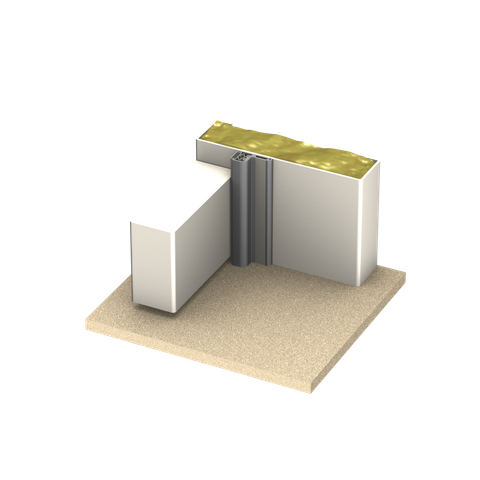
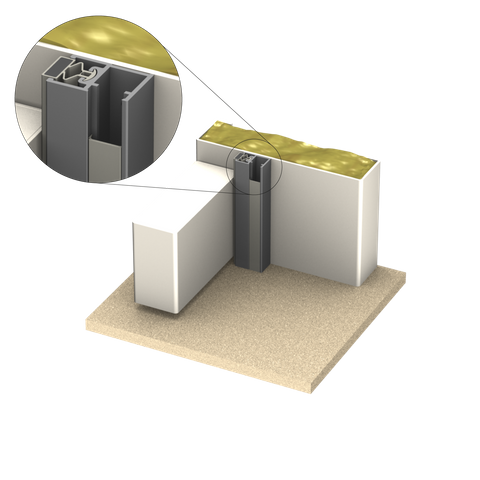
Metal Clad Door Hardware
Metal clad doors are chosen when performance matters as much as appearance—think high-traffic commercial spaces, service corridors, plant rooms, back-of-house areas, industrial buildings, and modern projects where durability and security are non-negotiable. With a robust skin and a more “industrial-grade” door build, metal clad openings typically need hardware that can handle frequent use, heavier door weights, and stronger closing forces while still delivering smooth operation and reliable latching. At John Barnes Group, you can buy metal clad door hardware online across a complete range of components, including handles and pulls, locks and latches, cylinders, hinges or pivots, door closers, bolts, stops, strikes and plates, plus the accessories that make the whole opening work as a coordinated system.
Why Metal Clad Doors Need the Right Hardware
Metal clad doors often sit in demanding environments—busy tenancy entries, shared corridors, logistics areas, and facility doors that are used hundreds of times a day. That usage adds stress to hinges, latches and closers, and it also exposes the hardware to knocks, vibration and wear. Getting the hardware right is the difference between a door that feels solid and dependable versus one that rattles, drags, doesn’t latch properly, or needs constant adjustment.
Hardware selection should consider the door’s purpose (internal vs external), the frequency of use (low-use rooms vs high-traffic corridors), and the “door control” requirements (consistent return-to-close, latch reliability, and controlled movement). Trusted performance-driven brands like Dormakaba and Lockwood are commonly specified where long-term reliability is a priority, while Zanda and Barben can help deliver a more design-led look in areas where the door is customer-facing or part of a premium interior finish.
Where Metal Clad Door Hardware Is Commonly Used
Commercial & Facility Doors
In offices, education, healthcare and public buildings, metal clad doors frequently appear in service corridors, amenities, comms rooms, storage areas and back-of-house entries. These doors benefit from heavy-duty hinges, dependable latching, and door closers that keep openings controlled and consistent across busy daily traffic.
Industrial, Warehouse & Logistics
In industrial environments, hardware needs to be practical, hard-wearing and easy to maintain. Pull handles, robust lock and latch hardware, durable stops, and correctly sized door closers all play a role in preventing damage and maintaining secure access where doors are used frequently by staff and contractors.
Residential & Multi-Residential Use
Metal clad doors can also appear in apartment buildings and modern residential projects—particularly for entries, garages, storerooms and utility zones. In these settings, the focus often shifts to balancing security and durability with a clean, modern finish that complements the broader architectural door hardware scheme.
Complete Hardware Range for Metal Clad Doors
Handles, Lever Sets & Pull Handles
Handles are the most-used touchpoint on the door, so comfort and durability matter. Lever handles are popular for everyday convenience where a latch is being operated frequently, while pull handles suit high-traffic entries and commercial doors where a more robust grip or a minimalist look is preferred. For contemporary projects, matte black is a standout finish, stainless steel remains a favourite for longevity and practicality, and brass-toned options can be used to lift premium interiors. Zanda and Barben are excellent choices where you want a refined, modern style that still feels substantial in the hand.
Locks, Latches & Functional Sets
Metal clad doors can be specified for passage, privacy or keyed security depending on the opening. Passage latches suit internal doors where access is unrestricted, privacy functions are ideal for amenities or consult rooms, and keyed locks support secure areas and external entries. For commercial-grade reliability and strong latching performance, Lockwood is widely used across Australia, and Dormakaba solutions are commonly chosen where consistent operation and integration with door control is important.
Cylinders & Access Control Compatibility
Where keyed security is required, compatible cylinders and related components become essential to the system. This can include standard keyed access, restricted keying strategies across multiple doors, and hardware combinations that support broader building access requirements. Selecting the right cylinder format to suit the lock case helps maintain smooth locking action and long-term reliability.
Hinges, Heavy-Duty Support & Alignment
Because metal clad doors can be heavier and used more aggressively than typical internal doors, hinge selection is critical. The right hinge type and duty level supports the door mass, reduces sagging over time, and improves latch alignment—especially in high-use corridors and service areas. For architectural applications where a premium movement is desired, pivot systems may be specified to create a smooth, controlled swing and a distinct design aesthetic.
Door Closers & Door Control
Door closers are a common requirement on metal clad doors in commercial and facility environments because they protect the door and frame, reduce slamming, and improve the reliability of self-closing and latching. A properly selected closer also improves user experience by creating a smoother opening and closing cycle. Dormakaba door control solutions are often specified where dependable closing performance is needed across repeated daily use.
Bolts, Flush Bolts & Double Door Hardware
Where metal clad doors are installed as double doors (or where one leaf is normally inactive), bolts and flush bolts help stabilise the opening and maintain consistent alignment. Matching these components with the correct strikes and keeps ensures the door closes neatly and stays secure without forcing or misalignment.
Strikes, Plates, Keeps & Reinforcement Accessories
The “detail hardware” is where many door performance issues are either solved or created. Correctly aligned strikes and keeps improve latching confidence and reduce rattling. Plates and associated accessories help deliver a neat finish and can assist with durability in high-use environments. For metal clad applications, the goal is a clean, repeatable interface between latch and frame so the door closes the same way every time.
Stops, Hold-Open Options & Protection Hardware
Stops protect walls, frames and door edges from impact—particularly important in corridors, back-of-house entries and utility spaces. Floor stops, wall stops and overhead solutions help prevent damage and reduce maintenance. Hold-open options can also be useful in operational areas where staff regularly move goods or equipment through openings, improving workflow while protecting the door from unnecessary impacts.
Finishing Details: Seals & Thresholds
Seals and thresholds can be included as finishing elements when comfort or containment is needed—reducing draughts, limiting dust transfer, or improving the overall closing feel. They’re typically selected after the core functional hardware (locks, hinges, closers, handles) is confirmed, so the door remains easy to operate while still achieving the desired “finished” performance.
How to Choose the Right Metal Clad Door Hardware
Start with the opening’s function and traffic level. Is it an internal door, a front door, or a secure access point? Will it be used occasionally or constantly throughout the day? Next, determine the operating style—hinged, pivoted, or part of a double-door set—then match hardware accordingly. Finally, coordinate the aesthetic: modern and minimal, contemporary commercial, or premium architectural. Aligning the complete hardware set—handles, lock function, hinge duty, closer sizing, strikes and stops—helps avoid common issues like misalignment, inconsistent latching, or premature wear.
For projects where consistency across multiple doors matters (common in commercial fitouts), specifying dependable performance ranges such as Lockwood and Dormakaba can reduce maintenance and simplify future replacements. Where the door is visible to customers or part of an upgraded interior, Zanda and Barben can provide design cohesion across the broader architectural door hardware scheme.
Finishes That Suit Metal Clad Doors
Metal clad doors pair well with finishes that look intentional and withstand heavy use. Matte black delivers a bold contemporary look and is popular in modern commercial and residential design. Stainless steel is a reliable choice for durability, frequent handling, and practical maintenance. Brass and warm metallic tones can elevate premium environments where you want the door hardware to feel like a considered design feature. Wherever possible, keep finishes consistent across the opening—handle, escutcheons, lock trim, closer cover (if visible), and accessory plates—for a clean, cohesive result.
Local Support in Brisbane, Queensland, New South Wales & Australia-Wide
From Brisbane projects and Queensland facility upgrades to New South Wales commercial fitouts, metal clad doors are a common “workhorse” opening that benefits from correctly specified hardware. John Barnes Group supports local and interstate customers and ships Australia-wide, making it easier to standardise door hardware across multi-site portfolios and staged building programs. Whether you’re replacing worn components or specifying a full hardware set for a new build, this category helps you source the right pieces to suit metal clad door construction and real-world usage.
Frequently Asked Questions
What hardware do I typically need for a metal clad door?
Most metal clad doors use a combination of handles or pull handles, a latch or lock set (passage, privacy or keyed), hinges or pivots, and often a door closer in commercial settings. Many openings also require strikes/keeps, door stops, and accessory plates to ensure reliable latching and long-term durability.
Is metal clad door hardware different to standard internal door hardware?
It can be. Metal clad doors often see heavier use and may require higher-duty hinges, more robust latching, and stronger door control to maintain alignment over time. Choosing hardware suited to the door’s construction and traffic level improves performance and reduces ongoing adjustments.
Should I choose lever handles or pull handles?
Levers are ideal where the latch is operated frequently and you want easy everyday use, particularly on internal doors. Pull handles are popular on commercial entries and high-traffic doors where a strong grip and premium feel are preferred. The best choice depends on function, user flow, and the lock/latch setup.
Do metal clad doors usually need door closers?
In many commercial and facility environments, closers are commonly specified to control closing speed, reduce slamming, and improve consistent latching. In lower-traffic residential or internal applications, a closer may be optional, but it can still improve the “closing feel” and reduce wear.
Which brands suit metal clad door applications?
For dependable performance in demanding environments, Lockwood is widely selected for locking and latching, and Dormakaba is commonly specified for door control and commercial-grade reliability. For design-focused projects where aesthetics matter, Zanda and Barben offer premium options that coordinate well with modern architectural door hardware schemes.
How do I choose the right hinge duty level?
Consider door size, weight and frequency of use. Higher-traffic and heavier doors typically need heavier-duty hinge solutions to maintain alignment and reduce sagging. Matching hinge selection to the door’s real operating conditions helps prevent binding and improves latch alignment long-term.
What accessories help metal clad doors last longer?
Door stops and protection hardware reduce impact damage, while correctly aligned strikes and keeps improve latching consistency and reduce rattling. In busy environments, these small components can make a big difference to maintenance outcomes and the overall feel of the doorway.
Can I match finishes across a whole building or fitout?
Yes. Standardising finishes like matte black or stainless steel across handles, locks, closers and accessories creates a cohesive look and simplifies maintenance. This is especially helpful for multi-door projects across offices, retail spaces and facilities in Queensland, New South Wales and Australia-wide.
Why Choose John Barnes Group?
John Barnes Group helps you specify metal clad door hardware as a complete, compatible system—so doors operate smoothly, latch reliably, and stand up to everyday use. With trusted performance options from Dormakaba and Lockwood, plus design-forward selections from Zanda and Barben, you can balance durability, security and finish consistency across residential and commercial projects. Based in Brisbane and supporting Queensland, New South Wales and Australia-wide delivery, we make it easier to source architectural door hardware that performs where it matters most.