Timber
-
985-300Stock Level:In Stock - Low Availability$212.85 inc GSTPrice:$193.50 ex GST
-
$78.79 inc GSTPrice:$71.63 ex GST
-
$1,598.95 inc GSTPrice:$1,453.59 ex GST
-
DRTS85TEN3Stock Level:Available to Order$852.50 inc GSTPrice:$775.00 ex GST
-
DRTS85THO105EN3Stock Level:Available to Order$852.50 inc GSTPrice:$775.00 ex GST
-
DRTS85THO90EN3Stock Level:Available to Order$852.50 inc GSTPrice:$775.00 ex GST
-
$202.80 inc GSTPrice:$184.36 ex GST
-
$172.94 inc GSTPrice:$157.22 ex GST
-
$87.21 inc GSTPrice:$79.28 ex GST
-
FP51112-65-SNStock Level:Available to Order$187.84 inc GSTPrice:$170.76 ex GST
-
$28.34 inc GSTPrice:$25.76 ex GST
-
$28.62 inc GSTPrice:$26.02 ex GST
-
$280.86 inc GSTPrice:$255.33 ex GST
-
$302.23 inc GSTPrice:$274.75 ex GST
-
$311.83 inc GSTPrice:$283.48 ex GST
-
$338.90 inc GSTPrice:$308.09 ex GST
-
$576.57 inc GSTPrice:$524.15 ex GST
-
$43.89 inc GSTPrice:$39.90 ex GST
-
$48.17 inc GSTPrice:$43.79 ex GST
-
$33.23 inc GSTPrice:$30.21 ex GST
-
$35.63 inc GSTPrice:$32.39 ex GST
-
$35.63 inc GSTPrice:$32.39 ex GST
-
$52.88 inc GSTPrice:$48.07 ex GST
-
$56.51 inc GSTPrice:$51.37 ex GST
Timber Door Hardware
Timber doors remain one of the most popular choices across Australia for both residential and commercial spaces—valued for their warmth, strength, versatility and the way they suit everything from classic Queenslander renovations to contemporary architectural builds. The right timber door hardware is what turns a good-looking door into a door that feels premium: smooth to open, confident to close, secure when it needs to be, and consistent across an entire home or site. In this category, you’ll find a complete range of hardware suited to timber doors, including handles and pulls, locks and latches, cylinders, hinges and pivots, door closers, bolts, stops, strikes, plates and essential accessories—making it easy to buy timber door hardware online for internal and external doors, residential and commercial applications.
Why Timber Doors Need the Right Hardware
Timber doors are forgiving in some ways and demanding in others. They can be adjusted, trimmed and refinished, but they also respond to seasonal movement and humidity—especially in Brisbane and across Queensland. That means hardware selection should prioritise reliable fixing, appropriate load ratings, and a configuration that supports long-term alignment and latch performance. When you match the function (passage, privacy, keyed entry), door type (front door, internal door, external door), and style (modern, contemporary, premium) to the right hardware set, you get a door that looks cohesive and performs day after day.
Key Benefits of Quality Timber Door Hardware
Better Security and Peace of Mind
For front doors, external doors, and any opening that needs controlled access, the right lock and cylinder selection improves security while keeping operation smooth. Robust solutions from Lockwood are commonly chosen where strength and reliability matter, while Dormakaba options are frequently specified for commercial environments where consistency and door control are critical.
Smoother Operation and a More Premium Feel
High-quality hinges or pivot systems help timber doors swing cleanly without binding or sagging. Pair that with well-matched latches and correctly sized hardware, and the result is a refined “closing feel” that’s immediately noticeable—especially on heavier solid-core internal doors and feature timber entry doors.
Long-Term Durability for High-Use Areas
In busy homes and high-traffic commercial spaces, doors get used constantly. Choosing durable architectural door hardware reduces wear, minimises maintenance call-backs, and helps protect the door leaf and frame. Stops, closers and correctly selected fixing accessories also help prevent damage to walls, skirtings and the door itself.
Popular Timber Door Applications
Front Doors and External Timber Doors
External timber doors typically need keyed security, reliable latching, and hardware that can handle weather exposure. Consider combining a robust lockset and cylinder with pull handles or statement levers, plus door control hardware where you want consistent closing. For premium projects, Zanda and Barben designs can elevate the entry aesthetic while still supporting practical everyday use.
Internal Timber Doors
Internal doors often focus on comfort, privacy and design consistency. Passage hardware suits hallways and living areas, privacy sets suit bathrooms and bedrooms, and dummy functions can be used for non-latching doors or paired with separate latches depending on the design. Timber internal doors also offer flexibility in finish coordination—matte black for modern interiors, stainless steel for durability, or warm metallic tones like brass to complement timber’s natural warmth.
Commercial Timber Doors
Many commercial spaces still use timber doors for offices, meeting rooms, staff areas and amenities. In these settings, high-cycle performance matters: closers for controlled closing, robust locks and latches, and durable levers/pulls that keep looking sharp. Dormakaba is a frequent choice for door control and commercial performance, while Lockwood solutions are widely used for secure and dependable locking and latching.
What’s Included in Timber Door Hardware
Handles, Levers and Pull Handles
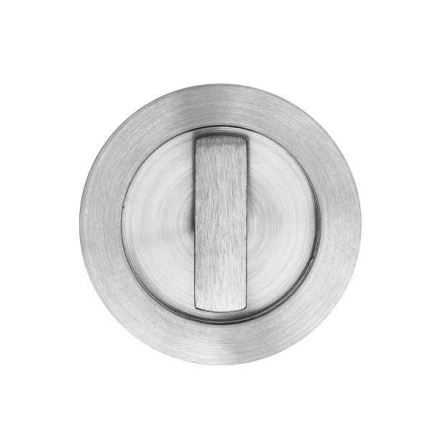
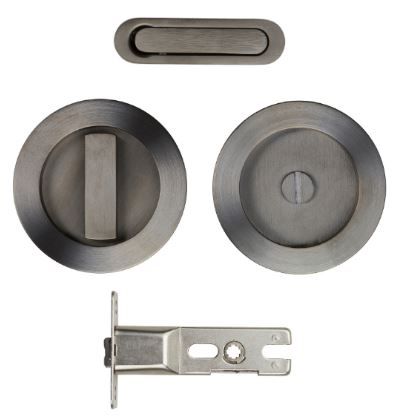
Handles are the most visible part of the door and the most frequent touchpoint. Lever handles are popular for internal doors because they’re convenient for latch operation. Pull handles are common on feature entry doors and commercial doors, often paired with suitable locking solutions. For modern and contemporary interiors, matte black handles are a standout choice; stainless steel remains a classic for durability and broad appeal; and brass tones bring warmth for premium finishes. Zanda and Barben ranges are often selected where design-led styling and coordinated accessories are priorities.
Locks, Latches and Privacy Sets
Choosing the right function is the foundation of a good hardware set. Passage latches keep doors operating smoothly without locking. Privacy functions suit bathrooms, ensuites, consultation rooms and similar spaces. Keyed locks support external security and controlled internal access. For timber doors, compatibility with door thickness, backset requirements and intended use is crucial for consistent latching and a clean install. Lockwood is a common specification for robust performance, while Dormakaba options are often selected in commercial projects where reliability and integration with door control are essential.
Cylinders and Keying Options
Where keyed security is required, cylinders play a major role in both usability and site consistency. Matching the cylinder format to the lockset and ensuring correct sizing helps maintain smooth operation. For multi-door homes, strata properties, or multi-site commercial rollouts across Queensland and New South Wales, selecting compatible cylinders can simplify ongoing access management and maintenance.
Hinges and Pivot Systems
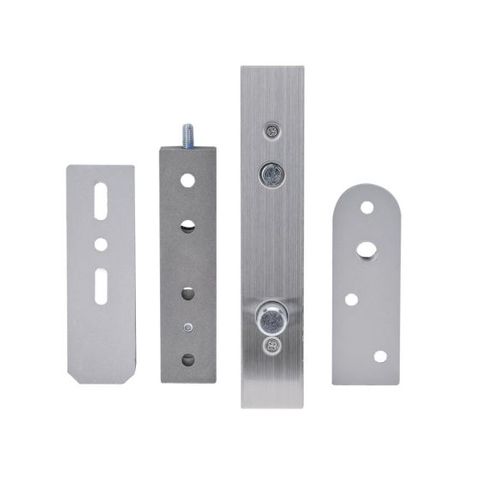
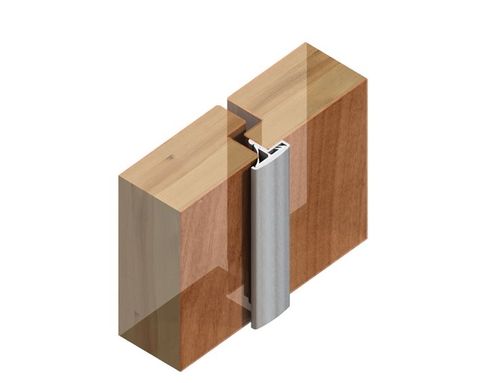
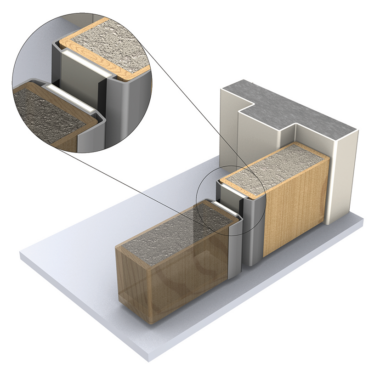
Hinges need to suit the door’s weight, height and frequency of use. Heavier timber doors typically benefit from quality hinges with appropriate load performance and durable finishes. Pivot systems can deliver a high-end architectural look and a smooth swing, often used on statement entry doors or premium internal transitions. Correct selection helps reduce sagging, keeps reveals consistent, and protects the latch alignment over time.
Door Closers and Door Control
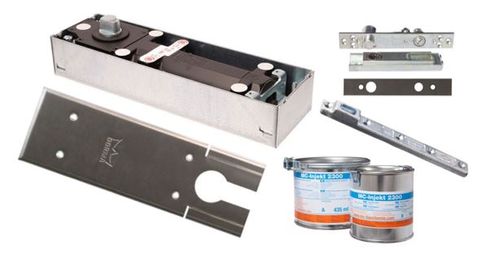
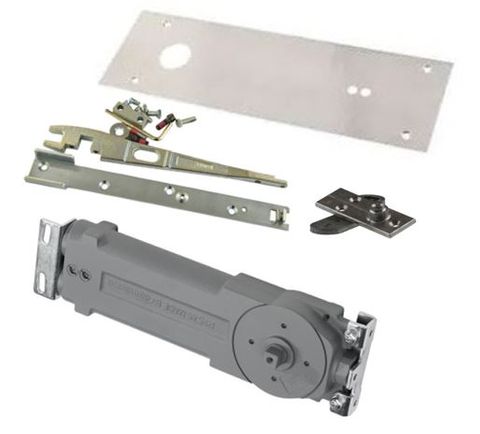
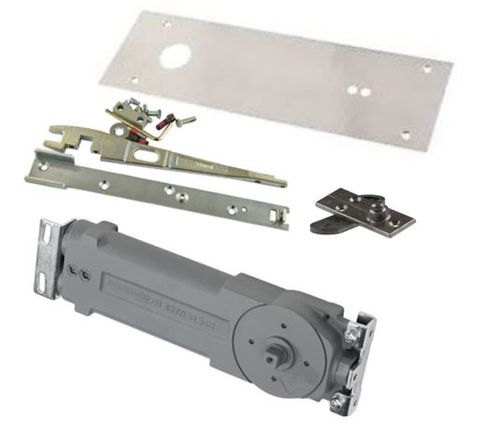
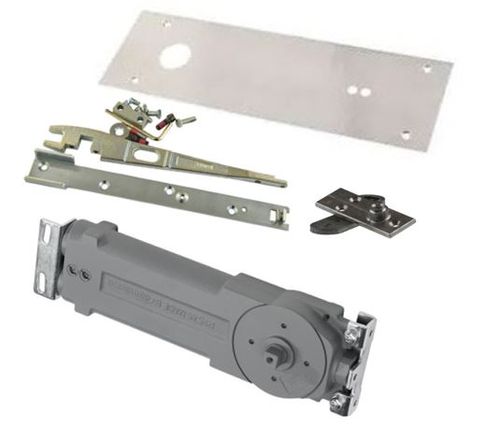
Door closers are a smart choice for many commercial timber doors and some residential applications. They reduce slamming, protect the door and frame, improve latch engagement, and help doors return to a closed position—useful for offices, corridors, amenities, and busy family homes. Dormakaba door control solutions are commonly specified where consistent closing and long-term performance are required.
Bolts, Flush Bolts and Additional Security Hardware
Bolts and flush bolts are commonly used on double doors, french doors, and doors where you need an inactive leaf secured neatly. They’re also useful in specific internal applications where you want simple, reliable hold and release. Selecting the right bolt style helps keep the door set aligned and improves the overall feel of operation.
Door Stops, Hold-Open Options and Protection
Stops protect timber doors, walls and trims from impact damage. Floor stops, wall stops and overhead solutions help control swing and prevent handles from damaging plaster or cabinetry. For high-traffic openings, adding protection hardware is a simple way to reduce wear and maintain a premium finish over time—especially in commercial spaces and busy family homes.
Strikes, Plates, Edge Pulls and Essential Accessories
The details matter: strikes and keeps that align correctly, plates that provide a neat finish, and accessories that support the full hardware function. On timber doors, these components help ensure smooth latching, reduce rattles, and create a more refined end result. Coordinating visible accessories with the main handle/lock finish also helps the opening look intentional and professionally specified.
How to Choose the Right Timber Door Hardware
Start with the Door’s Role
Is it a front door, internal door, or external back door? Is it residential and commercial? Is it a high-use corridor door or a low-use storeroom? Defining the role first helps narrow the hardware function and durability requirements.
Match the Function to the Space
Passage for general internal access, privacy for bathrooms and bedrooms, keyed for security and controlled access. If you’re standardising across a whole build, choosing a consistent family of hardware improves visual cohesion and simplifies future maintenance.
Consider Door Size, Weight and Frequency of Use
Solid-core timber doors, oversized entry doors, and high-traffic commercial doors place greater demand on hinges/pivots and latching hardware. Choosing appropriately rated components supports long-term alignment and reduces issues like latch misfires or hinge wear.
Choose a Finish That Complements Timber
Timber pairs beautifully with modern matte black, timeless stainless steel, and warm brass tones. For contemporary projects, matching the finish across levers, pulls, locks, hinges and accessories creates a premium architectural result. Zanda and Barben styles are often selected for design-forward projects, while Lockwood and Dormakaba are trusted choices where performance and consistency are critical.
Finishing Details
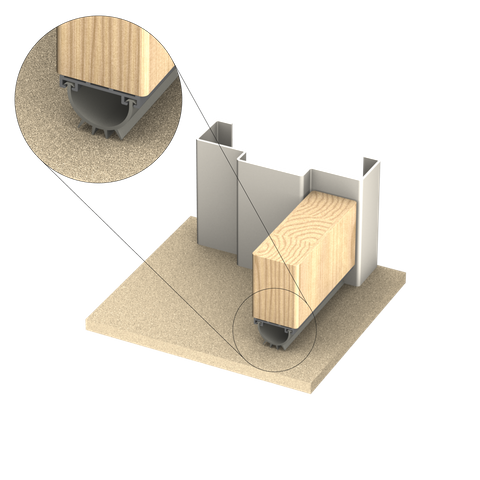
While core hardware does the heavy lifting, small finishing elements can improve the overall result. Depending on the door’s location and performance needs, minor additions like thresholds or draught management solutions may be considered as finishing details—particularly for external timber doors—without becoming the primary focus of the hardware specification.
Local Support in Brisbane, Queensland, New South Wales and Australia-Wide
From Brisbane projects and Queensland renovations to New South Wales commercial fitouts and Australia-wide builds, timber doors are a constant—and so is the need for reliable, good-looking hardware. John Barnes Group makes it easier to source timber door hardware Australia-wide, whether you’re matching a consistent finish across a home, upgrading a front door, or standardising hardware across multiple sites. With options spanning modern, contemporary and premium architectural door hardware, you can select complete door solutions that suit how timber doors are used in real Australian environments.
Frequently Asked Questions
What hardware do I need for a timber door?
Most timber doors need a handle or pull, a latch or lock (passage, privacy or keyed), and hinges or a pivot system. Depending on the application, you may also need a cylinder, a door closer, bolts for double doors, door stops, and accessory items like strikes and plates.
What’s the best hardware for a timber front door?
For a timber front door, prioritise a secure lock and compatible cylinder, plus durable handles or pulls that suit frequent use. Many homeowners choose premium-looking pull handles for style, while robust solutions from Lockwood are popular for dependable security-focused performance.
Can I use the same handle design on internal and external timber doors?
Yes, as long as the function suits the door. Many projects use a consistent handle design across the home, then change the function (passage, privacy, keyed) to match each room. Keeping finishes consistent helps achieve a cohesive architectural look.
Do timber doors need different hinges than other door types?
Often, yes. Timber doors can be heavier and may experience seasonal movement, so hinge selection should suit the door’s size, weight and frequency of use. Correct hinge choice supports alignment and helps the latch engage reliably over time.
When should I add a door closer to a timber door?
Door closers are common on commercial timber doors and useful anywhere you want controlled closing, reduced slamming and consistent latching. They’re often specified in offices, amenities and corridors, with Dormakaba solutions widely used where dependable door control is required.
What finishes suit timber doors best?
Matte black creates a modern contrast, stainless steel offers durable versatility, and brass tones add warmth for premium interiors. The best results come from matching finishes across the full opening—handles, locks, hinges and accessories—so everything looks intentional.
What hardware is commonly used for double timber doors?
Double timber doors often use flush bolts or bolts on the inactive leaf, paired with a lock or latch on the active leaf. Correct strikes and alignment accessories help keep the doors closing cleanly and improve the overall feel of the set.
Which brands are commonly specified for timber door hardware?
Lockwood is a trusted choice for robust locking and latching, while Dormakaba is frequently specified for commercial door control and consistent performance. For design-focused projects, Zanda and Barben offer premium styling that coordinates well with modern and contemporary interiors.
Why Choose John Barnes Group?
John Barnes Group helps you specify complete timber door hardware solutions that balance design, durability and performance. With trusted options from Lockwood and Dormakaba for reliable function, plus premium styling from Zanda and Barben for modern architectural finishes, you can build consistent hardware schedules across internal and external doors. Based in Brisbane and supporting Queensland, New South Wales and Australia-wide delivery, we make it easier to source the right architectural door hardware for timber doors—confidently and cohesively.