
Casement Window
-
$37.17 inc GSTPrice:$33.79 ex GST
-
$30.37 inc GSTPrice:$27.61 ex GST
-
$52.92 inc GSTPrice:$48.11 ex GST
-
L723CPDPStock Level:Available to Order$53.54 inc GSTPrice:$48.67 ex GST
-
$56.73 inc GSTPrice:$51.57 ex GST
-
$27.41 inc GSTPrice:$24.92 ex GST
-
$45.39 inc GSTPrice:$41.26 ex GST
-
$39.71 inc GSTPrice:$36.10 ex GST
-
$20.80 inc GSTPrice:$18.91 ex GST
-
$12.30 inc GSTPrice:$11.18 ex GST
-
$69.97 inc GSTPrice:$63.61 ex GST
-
$40.67 inc GSTPrice:$36.97 ex GST
-
$10.40 inc GSTPrice:$9.45 ex GST
-
$10.40 inc GSTPrice:$9.45 ex GST
-
$45.39 inc GSTPrice:$41.26 ex GST
-
$56.73 inc GSTPrice:$51.57 ex GST
-
$56.73 inc GSTPrice:$51.57 ex GST
-
$44.43 inc GSTPrice:$40.39 ex GST
-
$69.97 inc GSTPrice:$63.61 ex GST
-
TRA6581Stock Level:Available to Order$56.73 inc GSTPrice:$51.57 ex GST
-
$117.24 inc GSTPrice:$106.58 ex GST
-
$46.56 inc GSTPrice:$42.33 ex GST
-
$41.33 inc GSTPrice:$37.57 ex GST
-
$41.33 inc GSTPrice:$37.57 ex GST
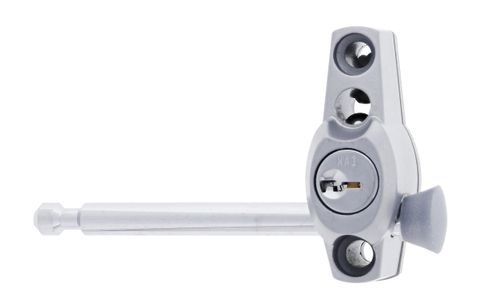
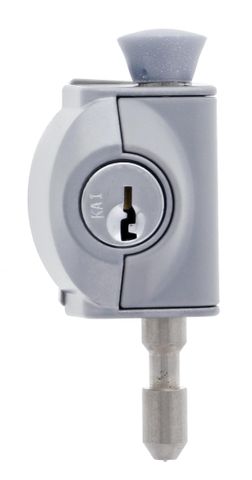
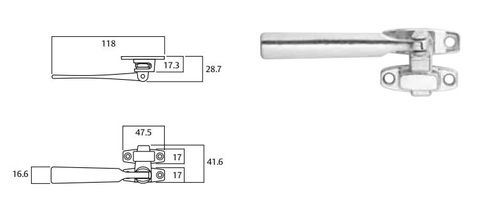
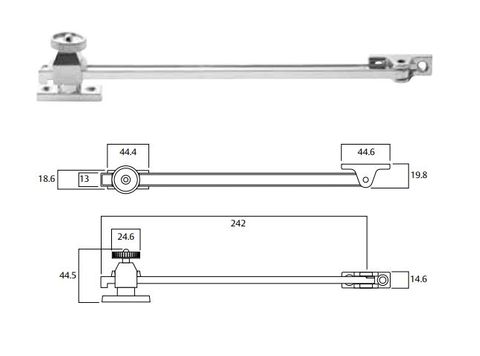

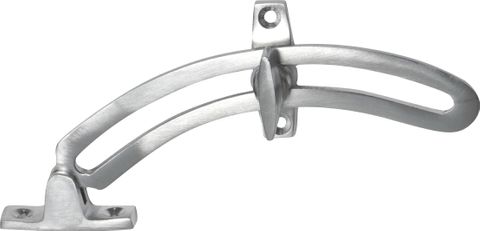
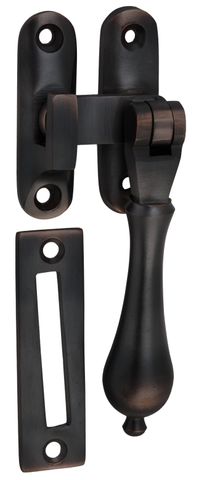
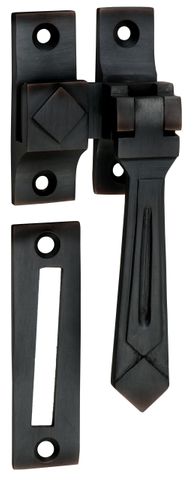
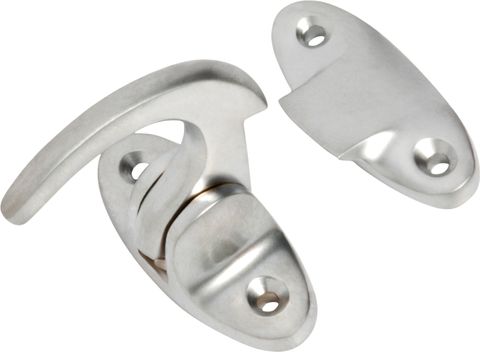
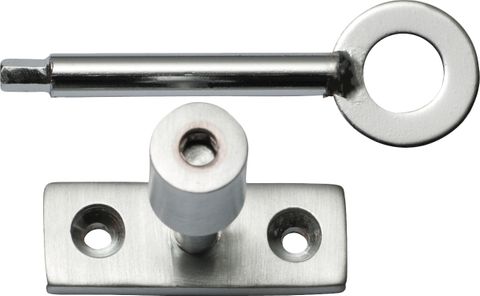
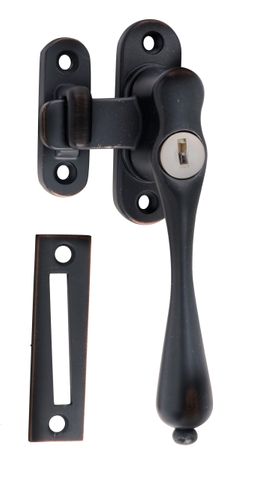
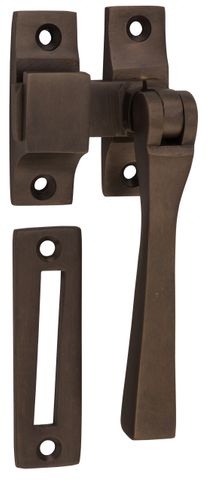
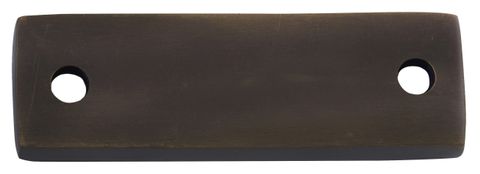


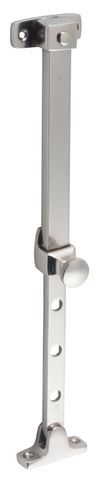
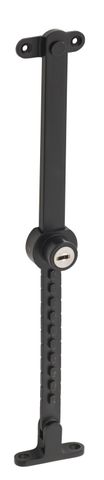
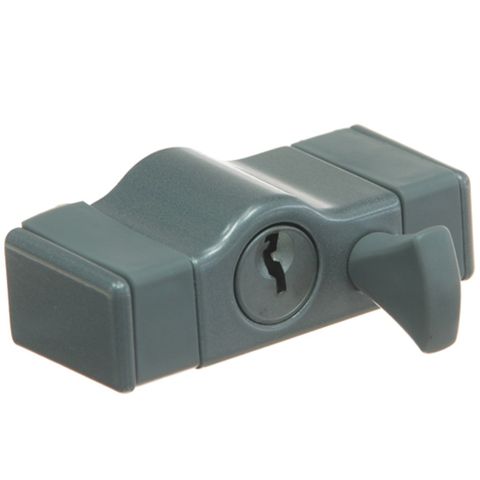
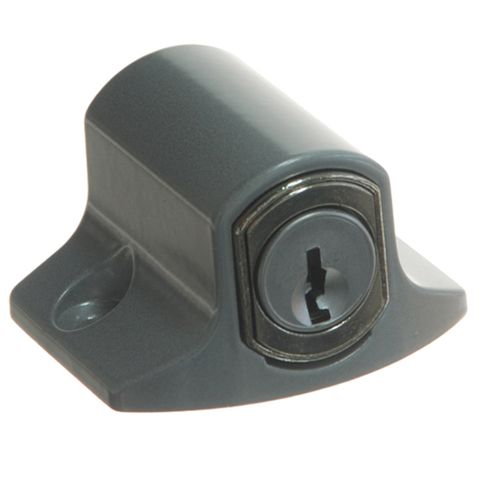
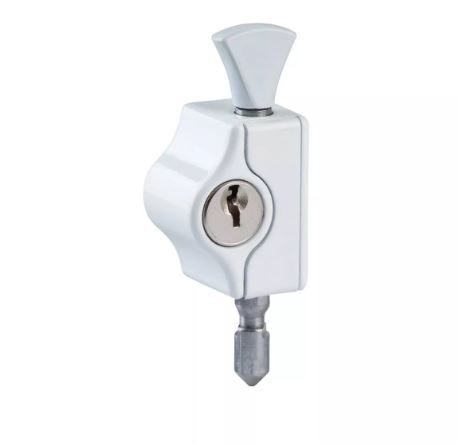
Casement Window Hardware
Casement windows are one of the most popular window styles in Australia for good reason: they seal well, ventilate efficiently, and suit everything from classic Queenslanders to contemporary builds and commercial fitouts. The difference between a casement window that feels smooth and secure versus one that rattles, binds or won’t stay where you put it usually comes down to the hardware. In this category, you’ll find casement window hardware selected to suit a wide range of window types and building needs—covering handles and fasteners, locks and keyed options, hinges and friction stays, window stays and restrictors, bolts for French casement windows, keepers and strike plates, and practical accessories for a complete, reliable finish. If you’re looking to buy casement window hardware online, John Barnes Group helps you choose options that work for residential and commercial projects across Brisbane, Queensland, New South Wales and Australia-wide.
Why Quality Casement Window Hardware Matters
Casement windows rely on precise movement and consistent compression against seals to perform at their best. When hardware is underspecified or mismatched, you can end up with difficult operation, poor closure, premature wear, or a window that doesn’t feel secure. Choosing the right casement window hardware improves daily usability, helps maintain alignment over time, and supports better airflow control—especially important for homes and workplaces that need flexible ventilation without compromising comfort.
Smoother Operation, Better Ventilation Control
Casement windows are often opened and adjusted multiple times a day. The right hinges or friction stays reduce binding and sag, while well-matched handles and fasteners make closing feel crisp rather than “forced”. For Brisbane and wider Queensland conditions, where breezes, storms and humidity can be part of everyday life, reliable opening control (stays, restrictors and robust hinges) helps you fine-tune airflow without worrying about the sash moving unexpectedly.
Security and Peace of Mind
Because casement windows swing open, hardware selection plays a direct role in security. Quality fasteners, locks, keyed options and appropriate keepers help reduce pry points and keep the sash firmly engaged when closed. For multi-occupancy buildings and commercial sites in New South Wales and across Australia, consistent window security hardware can also simplify maintenance and standardise access control expectations.
Design Consistency Across Doors and Windows
Window hardware is increasingly selected as part of a whole-of-home or whole-of-tenancy design approach. Finish matching matters—matte black for a modern look, stainless steel for durability, and warmer tones such as brass to add a premium feel. Many projects coordinate casement window hardware with architectural door hardware throughout the space, using complementary product styling from brands such as Zanda and Barben, while aligning performance-focused selections with trusted commercial ranges commonly specified alongside Dormakaba and Lockwood door hardware.
Common Applications for Casement Window Hardware
Residential Homes and Renovations
Casement windows are widely used in bedrooms, living areas, kitchens and bathrooms for their ventilation and ease of cleaning. In residential settings, homeowners often prioritise a comfortable “feel” in the hand, low-maintenance finishes, and reliable security—especially on accessible ground-floor windows. Selecting the right handles, fasteners and restrictors can make everyday use noticeably better while maintaining a clean, contemporary appearance.
Commercial Fitouts and Multi-Site Buildings
In commercial environments—schools, healthcare, offices and retail back-of-house—casement windows may need more robust hardware to handle frequent use and ongoing maintenance cycles. Standardising casement window hardware across a site supports consistent operation and simplifies replacements. This is particularly valuable for facilities managers overseeing multiple locations across Queensland, New South Wales and Australia-wide.
Coastal, High-Humidity and High-Exposure Areas
For coastal or high-humidity environments, choosing suitable materials and finishes becomes critical. Stainless steel and quality corrosion-resistant components help preserve operation and appearance over time. Where wind exposure is higher, hardware that supports controlled opening—such as stays, restrictors and appropriate hinge selection—helps improve day-to-day reliability.
What’s Included in Casement Window Hardware
Window Handles, Fasteners and Operating Hardware
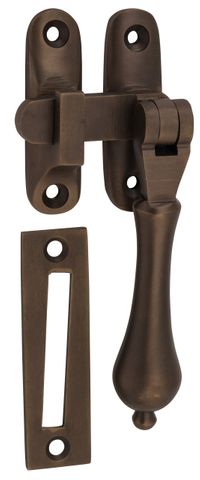
Casement windows can use different handle and fastener formats depending on the window system and sash profile. Common options include casement fasteners, lever-style window handles, and systems designed to engage multi-point locking where used. When selecting, consider how the window is used (quick ventilation vs secure night-vent positions), the ergonomics for the occupant, and the desired finish style—modern, contemporary or premium.
Locks and Keyed Security Options
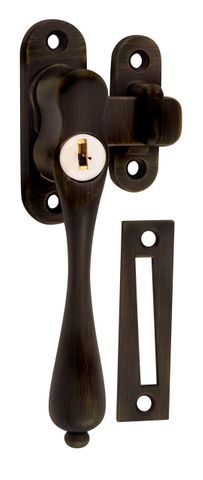
For added security, many casement windows can be fitted with locking fasteners or keyed hardware (where compatible with the window design). The right selection depends on window accessibility, building type and user needs. In projects where door security is already standardised with Lockwood or Dormakaba solutions, it’s common to choose casement window locking hardware that supports a consistent security approach and finish language across the property.
Hinges, Friction Stays and Load Support
Hinges are the foundation of casement window performance. Many modern casement windows use friction stays (friction hinges) that both support the sash and hold it in an open position without a separate stay. Selecting the right hinge type and capacity helps prevent sag, ensures smooth opening, and reduces long-term alignment issues. For heavier sashes or high-traffic environments, choosing robust hinge solutions is one of the best ways to improve longevity.
Window Stays, Restrictors and Opening Control
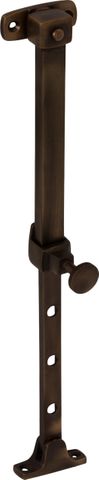
Where friction stays aren’t used (or where additional control is desired), window stays help hold the sash at a set opening. Restrictors and limiters are commonly used to manage how far a window can open—useful for safety, building access requirements, and ventilation control. For family homes, strata environments and commercial spaces, restrictors can also support responsible airflow without creating overly large openings.
Bolts for French Casement Windows and Paired Sashes
French casement windows (paired sashes meeting in the middle without a fixed mullion) often use additional bolts on the inactive sash to maintain alignment and security. These can include flush-style bolts and other sash bolts designed to hold the secondary leaf firmly, allowing the primary sash to operate smoothly. This hardware can be especially important in large openings where consistent closure and stable meeting lines matter.
Strikes, Keepers, Plates and Small Accessories
The “small parts” often make the biggest difference in day-to-day function. Keepers, strikes and plates help fasteners close cleanly and reduce wear from misalignment. Other accessories—such as packers, guides and hardware-specific fixings—support a neat finish and long-term performance. When you’re buying casement window hardware online, selecting compatible keepers and plates with your fasteners helps ensure the window closes securely without excess force.
Finishing Details
While this category focuses on the complete range of casement window hardware, finishing details can still matter in overall comfort and perceived quality. In some applications, minor additions such as discreet sealing enhancements or compatibility with existing window seals can help reduce rattle and improve closure feel—without becoming the main focus of the specification.
How to Choose the Right Casement Window Hardware
Casement window systems vary by frame material, sash size, handing (left/right), and how the window seals and latches. The best approach is to select hardware based on function first, then match aesthetics.
Step 1: Confirm the Window Type and Movement
Is the window a standard side-hinged casement, awning-style top-hung, or a French casement pair? Does it open inward or outward? Is it supported by friction stays or a traditional hinge-and-stay setup? These basics determine the correct hinge/stay family and the right style of fastener or handle.
Step 2: Decide the Required Function
For internal comfort and everyday use, a smooth fastener and reliable hinge/stay selection is usually enough. For accessible or high-risk locations, consider locking options or restrictors. For paired sashes, plan for bolts on the inactive sash. For commercial buildings, prioritise durability, repeatable operation and easier ongoing replacement.
Step 3: Choose a Finish That Matches the Project
Finish selection is where casement window hardware becomes part of the design story. Matte black suits modern and contemporary interiors, stainless steel is a practical premium choice for durability, and brass tones can add warmth and refinement. Many projects coordinate window finishes with architectural door hardware, selecting complementary styling from Zanda and Barben for visual consistency, while aligning performance-led selections to sit comfortably alongside well-known Dormakaba and Lockwood door hardware used elsewhere on the site.
Casement Window Hardware for Brisbane, Queensland, New South Wales and Australia-Wide
From Brisbane renovations to large Queensland commercial fitouts, casement windows are used across a wide range of building types—often demanding hardware that can handle frequent operation and changing conditions. John Barnes Group supports customers across Queensland and New South Wales and ships Australia-wide, helping you source casement window hardware that suits both residential and commercial needs. Whether you’re updating a single window for better usability or standardising window hardware across a portfolio, buying casement window hardware online makes it easier to compare options and keep finishes consistent across the project.
Frequently Asked Questions
What is included in “casement window hardware”?
Casement window hardware commonly includes handles and fasteners, locks or keyed options (where compatible), hinges or friction stays, window stays, restrictors/limiters, bolts for French casement windows, and supporting items like keepers, strikes and plates. The exact mix depends on how the window is designed and how it operates.
How do I choose between friction stays and traditional hinges with stays?
Friction stays combine support and holding control in one component and are common in modern window systems. Traditional hinges with separate stays can be used where the window design calls for it or where specific opening positions are preferred. Your sash size, weight and frame system usually determine the best option.
Can I improve security on casement windows with hardware upgrades?
In many cases, yes. Locking fasteners, keyed options and improved keeper/strike engagement can enhance security, depending on your window profile and compatibility. For ground-floor or accessible windows, upgrading to a more secure locking approach can add peace of mind.
What hardware do French casement windows usually need?
French casement windows typically require operating hardware for the primary sash plus bolts on the inactive sash to hold it in place. This helps maintain alignment at the meeting line and improves closure feel and stability during operation.
Which finishes are best for modern casement window hardware?
Matte black is popular for contemporary interiors, stainless steel suits durability and high-use environments, and brass tones add warmth for premium styling. Many projects coordinate window hardware finishes with architectural door hardware to keep the overall look consistent.
Is casement window hardware suitable for both residential and commercial projects?
Yes. The difference is usually specification strength and standardisation. Residential projects often prioritise feel and finish, while commercial projects typically prioritise durability, repeatable performance and ease of maintenance—especially across multiple sites.
Do I need restrictors on casement windows?
Restrictors and limiters are useful where you want controlled ventilation, safety management, or reduced opening range. They’re commonly used in family homes, strata buildings and commercial environments, particularly where windows are accessible or exposed to strong winds.
Can I match casement window hardware to my door hardware brands?
Often, yes—at least in finish and design language. Many customers coordinate casement window hardware with broader architectural door hardware selections, choosing styling cues aligned with Zanda and Barben, and maintaining consistent performance expectations alongside trusted site hardware from Dormakaba and Lockwood.
Why Choose John Barnes Group?
John Barnes Group helps you select casement window hardware that performs reliably and looks consistent across the project—whether you’re upgrading a home, fitting out a tenancy, or maintaining a multi-site portfolio. With a focus on architectural-grade solutions and finish coordination, we make it easier to align window hardware with broader building hardware selections, including trusted names such as Dormakaba and Lockwood and design-led options from Zanda and Barben. Based in Brisbane and supporting Queensland, New South Wales and Australia-wide delivery, we’re set up to supply the right hardware for modern Australian windows.