Pressed Metal Frame
-
$576.57 inc GSTPrice:$524.15 ex GST
-
$43.89 inc GSTPrice:$39.90 ex GST
-
$48.17 inc GSTPrice:$43.79 ex GST
-
$68.49 inc GSTPrice:$62.26 ex GST
-
$70.47 inc GSTPrice:$64.06 ex GST
-
$72.04 inc GSTPrice:$65.49 ex GST
-
$104.47 inc GSTPrice:$94.97 ex GST
-
$143.12 inc GSTPrice:$130.11 ex GST
-
$121.09 inc GSTPrice:$110.08 ex GST
-
$181.67 inc GSTPrice:$165.15 ex GST
-
$104.94 inc GSTPrice:$95.40 ex GST
-
$209.28 inc GSTPrice:$190.25 ex GST
-
$209.77 inc GSTPrice:$190.70 ex GST
-
$476.28 inc GSTPrice:$432.98 ex GST
-
$710.78 inc GSTPrice:$646.16 ex GST
-
$666.09 inc GSTPrice:$605.54 ex GST
-
$130.16 inc GSTPrice:$118.33 ex GST
-
$78.90 inc GSTPrice:$71.73 ex GST
-
$482.74 inc GSTPrice:$438.85 ex GST
-
KG1202XX50BLStock Level:Available to Order$273.16 inc GSTPrice:$248.33 ex GST
-
KG1602AS-50BLStock Level:Available to Order$528.62 inc GSTPrice:$480.56 ex GST
-
KG1602XX50BLStock Level:Available to Order$317.59 inc GSTPrice:$288.72 ex GST
-
$58.69 inc GSTPrice:$53.35 ex GST
-
$16.25 inc GSTPrice:$14.77 ex GST
Pressed Metal Frame Door Hardware
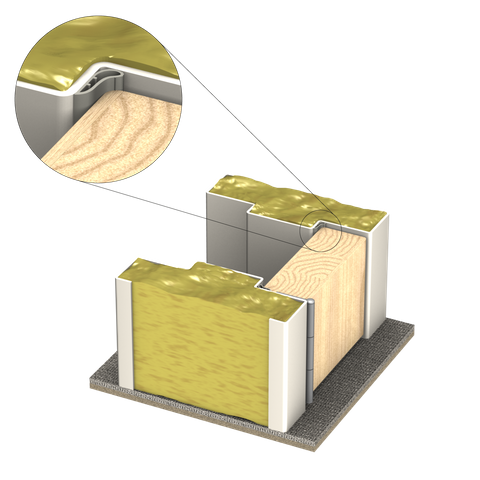
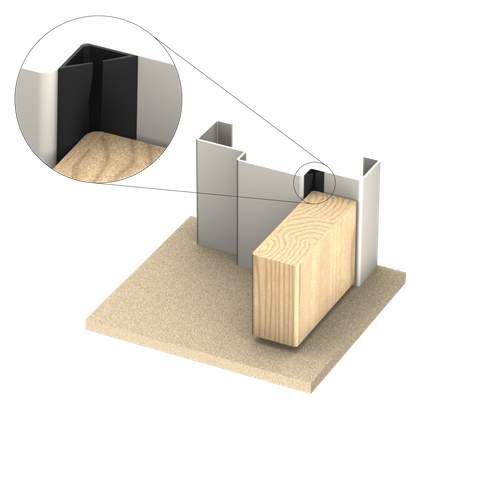
Pressed metal frames (often used with steel door frames and commercial door sets) are a common choice across Australia for durability, clean lines and long-term reliability. You’ll see them everywhere from apartment corridors and plant rooms to schools, healthcare, offices, warehouses and back-of-house retail areas. To get the best performance from a pressed metal frame opening, you need hardware that suits metal frame prep, aligns accurately, and holds up to frequent use. This category brings together a complete range of architectural door hardware to suit pressed metal frame doors—so you can buy pressed metal frame door hardware online for internal and external openings, residential and commercial projects, and Australia-wide maintenance programs.
Why Pressed Metal Frames Need the Right Hardware
Pressed metal frames are typically installed for strength and consistency, but that same rigidity means the details matter. If the latch, strike, hinges or closer are mismatched, the door can feel noisy, difficult to latch, or prone to wear at the frame. The right hardware selection improves the whole user experience: smoother swing, cleaner latching, better security outcomes, and reduced call-backs—especially in high-traffic environments across Brisbane, Queensland and New South Wales.
Built for High-Cycle Use
Many pressed metal frame doors are opened and closed dozens—or hundreds—of times per day. Choosing commercial-grade components (locks, hinges, closers and strikes that are designed for frequent use) helps doors keep their alignment and feel “tight” over time. Brands like Dormakaba are commonly specified where controlled closing and dependable door operation matter, while Lockwood is a trusted choice for robust locking and latching across demanding sites.
Cleaner Alignment and Better Latching
Metal frames rely on accurate alignment between latch and strike. Using compatible lock cases, correct strike types, and well-chosen hinges or pivots ensures the latch meets the strike smoothly, reducing rattles and improving the closing feel. That’s especially important in internal corridor doors, tenancy entries, and service doors where consistent closure is expected.
Where Pressed Metal Frame Doors Are Commonly Used
Commercial Fitouts and Office Tenancies
Pressed metal frames are frequently used for comms rooms, risers, storerooms, amenities and back-of-house doors—areas where durability is more important than decorative framing. Hardware choices often lean toward practical, hard-wearing finishes like stainless steel, with lever furniture and reliable latching that supports day-to-day use.
Education, Healthcare and Public Buildings
These sites demand resilient hardware that can handle constant traffic. Door closers, heavy-duty hinges, and dependable locks are often essential for managing movement, reducing impact damage, and keeping doors operating consistently through busy periods.
Apartment Buildings and Multi-Residential
In multi-residential, pressed metal frames are common for unit entry doors, fire stairs and shared access points, depending on the building design. Hardware selection typically focuses on security, smooth operation, and a cohesive look throughout the building. For a modern upgrade path, Zanda and Barben can help elevate the appearance of lever sets and accessories while still keeping the hardware practical for real-world use.
Complete Hardware Range for Pressed Metal Frame Doors
Pressed metal frame doors perform best when you think in systems: how the door opens, how it latches, how it closes, and how it’s protected from impact. Below are the key hardware groups commonly specified for pressed metal frame openings.
Handles, Levers and Pull Handles
Lever handles are a popular choice for pressed metal frame doors because they’re easy to operate and pair neatly with mortice locks or tubular latches. In commercial settings, lever sets are often chosen for consistency across a site. Pull handles can also be used where the door is push/pull-only or where a more architectural, premium look is required—especially on feature entries or contemporary internal glass/metal partitions. For design-forward projects, Zanda and Barben ranges offer modern silhouettes and coordinated accessories in finishes like matte black, stainless steel and warm metallic tones.
Locks, Latches and Privacy Functions
The right lock or latch depends on how the door is used. Passage latches suit internal rooms needing free access, privacy functions are common for amenities and consult spaces, and keyed locking is used where security or access control is needed. Lockwood options are widely used for dependable, heavy-use locking and latching, while Dormakaba selections are commonly specified where commercial reliability and integration with door control hardware is a priority.
Cylinders and Keying (Where Required)
For keyed doors, compatible cylinders and accessories matter just as much as the lock case. Choosing the right cylinder format supports smoother operation and helps standardise keying across a building or portfolio. This is especially useful for facility managers and multi-site operators across Queensland and New South Wales who want consistent maintenance outcomes.
Hinges and Pivot Hardware
Pressed metal frame doors commonly use butt hinges selected for door size, weight and traffic level. The right hinge selection supports long-term alignment and reduces binding. In higher-end architectural applications, pivot hardware may be used to create a distinctive swing and premium feel, but hinges remain the everyday workhorse across most commercial and multi-residential openings.
Door Closers and Closing Control
Door closers are often used on pressed metal frame doors to deliver controlled, consistent closing—reducing slamming, improving latching reliability, and protecting the frame and door leaf from impact. This is particularly beneficial in stairwells, corridors, amenities and busy back-of-house doors. Dormakaba door closers are a common choice where a dependable, professional closing action is required in commercial environments.
Bolts, Flush Bolts and Double Door Hardware
Where double doors are used with pressed metal frames, flush bolts and associated hardware help secure the inactive leaf and maintain alignment for the active leaf. This is common in storerooms, larger openings and some shared facility spaces. Selecting compatible strikes and keeps helps the whole set operate smoothly without forcing.
Strikes, Keeps, Plates and Frame-Prep Accessories
On pressed metal frames, strikes and keeps are critical. The correct strike type supports smooth latch entry, reduces rattle, and helps the door feel more solid. Protective plates and associated accessories can also help extend the life of high-use openings, especially where trolleys, equipment or heavy foot traffic is common.
Door Stops, Hold-Open Options and Protection
Stops protect doors, frames and surrounding walls from impact damage—particularly important where pressed metal frames are installed in corridors and service areas. Floor stops, wall stops and overhead solutions can be specified depending on the door swing and the environment. Hold-open options can also improve traffic flow in back-of-house areas, loading zones and shared spaces where doors are frequently propped open.
Finishing Details
Seals and thresholds can be included where comfort, noise control or environmental separation is needed, but they’re typically a finishing detail rather than the core of the hardware set. The main performance of a pressed metal frame opening usually comes from correct latching, alignment, hinge selection and controlled closing.
How to Choose the Right Hardware for Pressed Metal Frame Doors
Start with Door Function
Is the door internal or external? Is it a front door, a service door, an amenity door, or a high-traffic corridor door? Once function is clear, hardware selection becomes easier: passage vs privacy vs keyed locking, lever vs pull, and whether a closer is needed for consistent return-to-close performance.
Match Hardware to Usage and Door Size
High-traffic doors benefit from commercial-grade components and correctly specified hinges and closers. Underspecified hardware can lead to misalignment, latch issues and premature wear. If you’re managing a commercial site, standardising proven combinations (for example, Lockwood latching with complementary closers and accessories) can simplify maintenance over the long term.
Coordinate Finishes for a Cohesive Look
Pressed metal frames are often painted, so the hardware finish becomes the standout. Matte black is a popular modern choice in contemporary projects. Stainless steel remains a commercial favourite for durability and easy upkeep. Brass-toned finishes are increasingly used in premium spaces to add warmth and lift. Choosing a coordinated family of levers, cylinders (where visible), stops and accessories—especially within Zanda and Barben design ranges—helps keep the opening looking intentional and consistent.
Local Support: Brisbane, Queensland, New South Wales and Australia-Wide
John Barnes Group supports pressed metal frame door hardware requirements for jobs in Brisbane and across Queensland, including commercial fitouts, apartment projects, education and healthcare facilities. We also supply customers in New South Wales and deliver Australia-wide through our online store—making it easier to source consistent architectural door hardware for ongoing maintenance, staged upgrades, or multi-site standardisation.
Frequently Asked Questions
What is “pressed metal frame” door hardware?
It refers to the door hardware suited to doors installed in pressed metal (often steel) frames, including handles/pulls, locks and latches, cylinders, hinges or pivots, door closers, bolts, strikes/plates, door stops and related accessories that suit metal frame prep and alignment.
Can I use standard door hardware on pressed metal frames?
Sometimes, but compatibility matters. Pressed metal frames often rely on specific strike types, fixing points and alignment needs. Choosing hardware intended for commercial and metal-frame applications helps improve latching consistency and long-term reliability.
What locks and latches are most common for pressed metal frame doors?
Passage latches are common for internal rooms, privacy functions suit amenities, and keyed locks or restricted access solutions are used for security doors. Lockwood is a popular option for robust, dependable locking, while Dormakaba is often specified in commercial environments where consistent performance is essential.
Do I need a door closer on a pressed metal frame door?
In many commercial settings, yes—closers help control the closing action, reduce slamming and improve latch engagement. In lower-traffic internal areas, a closer may be optional, but it can still be a worthwhile upgrade for consistency and door protection.
What hinges should I use for pressed metal frame doors?
Hinge selection depends on door size, weight and traffic. Many pressed metal frame doors use butt hinges chosen to suit heavy use. Correct hinge selection helps prevent sagging, binding and alignment issues over time.
How do I choose the right strike or keep for a metal frame?
The strike must match the lock or latch and suit the frame’s preparation so the latch meets the strike cleanly. The right strike reduces rattle and improves the closing feel, which is especially important in high-traffic commercial and multi-residential doors.
Which finishes work best for pressed metal frame door hardware?
Stainless steel is a durable, commercial-friendly option, while matte black suits modern and contemporary interiors. Brass-toned finishes can add a premium feel in higher-end spaces. Zanda and Barben ranges are often used to coordinate a consistent look across levers, pulls and accessories.
Can I standardise hardware across a building or multiple sites?
Yes. Standardising locks, levers, closers and keying (where applicable) simplifies maintenance and makes replacements faster. This approach is common for portfolios managed across Queensland, New South Wales and Australia-wide.
Why Choose John Barnes Group?
John Barnes Group makes it easy to specify complete, compatible hardware solutions for pressed metal frame doors—whether you’re fitting out a commercial site, upgrading a multi-residential building, or maintaining high-traffic facilities. With trusted performance options from Dormakaba and Lockwood, plus design-forward choices from Zanda and Barben, you can align function, durability and finish across every opening. Based in Brisbane and supporting Queensland, New South Wales and Australia-wide delivery, we help you source architectural door hardware that performs reliably and looks consistent long-term.