Double Action
-
$202.80 inc GSTPrice:$184.36 ex GST
-
$35.63 inc GSTPrice:$32.39 ex GST
-
$52.88 inc GSTPrice:$48.07 ex GST
-
$56.51 inc GSTPrice:$51.37 ex GST
-
$49.63 inc GSTPrice:$45.12 ex GST
-
$42.97 inc GSTPrice:$39.06 ex GST
-
$70.61 inc GSTPrice:$64.19 ex GST
-
$39.90 inc GSTPrice:$36.27 ex GST
-
$44.40 inc GSTPrice:$40.36 ex GST
-
$42.16 inc GSTPrice:$38.33 ex GST
-
$44.08 inc GSTPrice:$40.07 ex GST
-
$42.10 inc GSTPrice:$38.27 ex GST
-
$46.62 inc GSTPrice:$42.38 ex GST
-
$76.63 inc GSTPrice:$69.66 ex GST
-
$63.95 inc GSTPrice:$58.14 ex GST
-
$72.84 inc GSTPrice:$66.22 ex GST
-
$52.77 inc GSTPrice:$47.97 ex GST
-
$82.16 inc GSTPrice:$74.69 ex GST
-
$96.62 inc GSTPrice:$87.84 ex GST
-
$67.50 inc GSTPrice:$61.36 ex GST
-
$105.52 inc GSTPrice:$95.93 ex GST
-
$29.51 inc GSTPrice:$26.83 ex GST
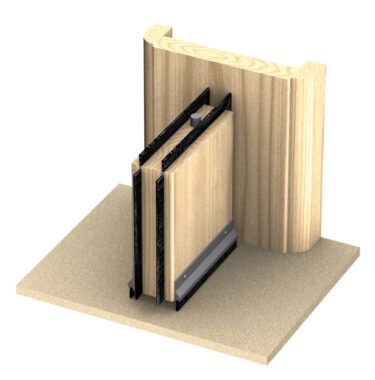
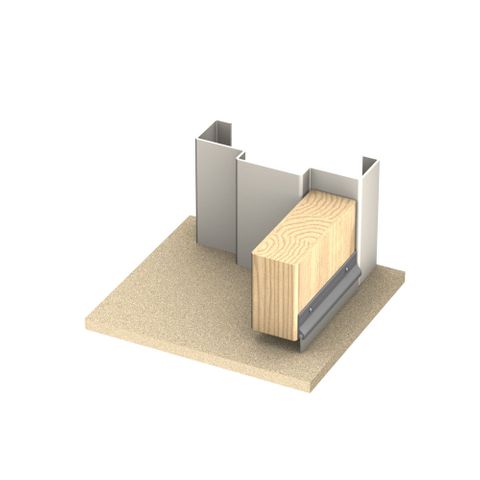
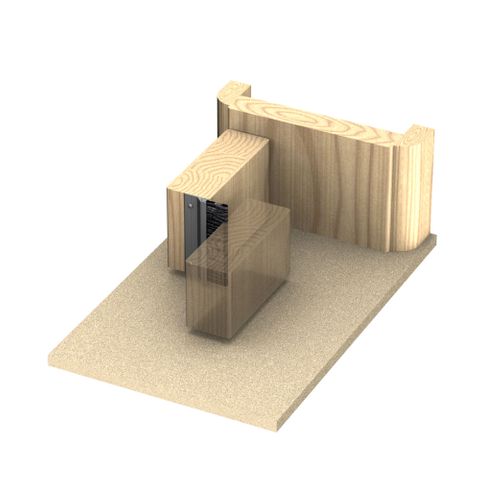
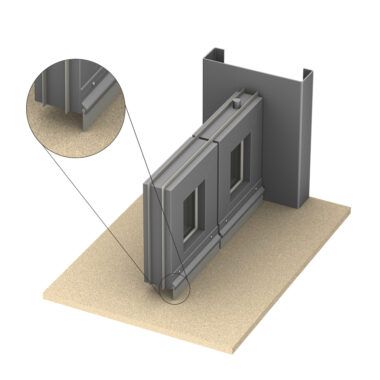
Double Action Door Hardware
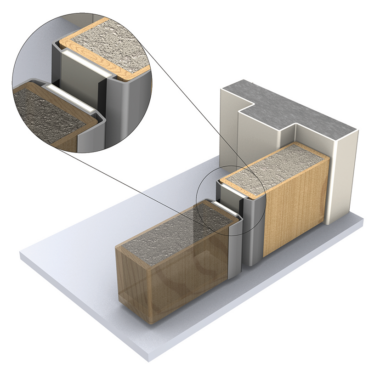
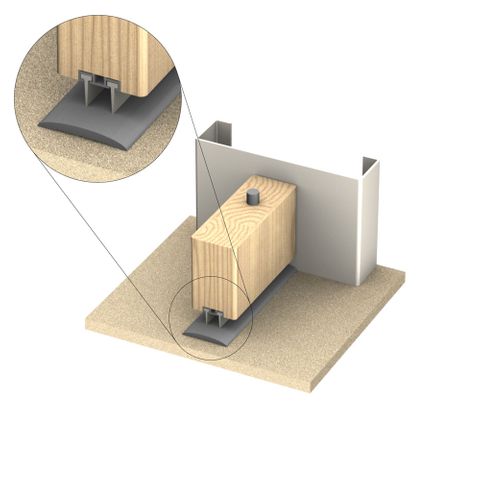
Double action doors (also called double swing doors) are designed to open in both directions, making them ideal for high-traffic areas where hands-free flow and quick movement matter. You’ll see them in hospitality, healthcare, retail back-of-house, commercial corridors, and even select residential applications where ease of access is a priority. To perform properly, a double action door needs the right combination of architectural door hardware—pivot/hinge systems, door control, handles or push/pull hardware, and compatible latching and protection accessories. At John Barnes Group, you can buy double action door hardware online with options suited to residential and commercial projects in Brisbane, across Queensland, throughout New South Wales, and Australia-wide.
Why Double Action Hardware Needs a System Approach
A double action door isn’t just a standard hinged door turned around. Because it swings both ways, the hardware must manage motion, alignment, and safe return-to-centre. The best results come from specifying the whole opening as a system: how the door pivots, how it closes, how it’s held (or not held) in position, and how users interact with it day to day. When the system is right, the door feels smooth, stable and quiet—reducing impact, preventing edge damage, and improving flow in busy environments.
Common Applications for Double Action Doors
Hospitality & Food Service
Kitchens, bars, pass-throughs and service corridors often use double action doors to keep staff moving quickly. Push plates, kick plates, durable pivots or double action hinges, and reliable control hardware help prevent slamming and reduce wear—especially in high-cycle venues.
Healthcare, Aged Care & Education
In clinics, staff areas, corridors and storerooms, double action doors can support efficient movement and improved accessibility. Controlled closing and correct stopping/protection hardware are key to minimising noise and preventing door damage in busy environments.
Retail & Back-of-House
Stock rooms and staff-only access points benefit from fast, two-way swing doors—often paired with robust push/pull hardware and door control that returns the door to a neutral, closed position.
Commercial Interiors & Feature Partitions
Some contemporary spaces use double action doors as a design feature—particularly where a clean look is required and door hardware is selected to match a modern, premium interior finish such as matte black, stainless steel or warmer brass tones.
Complete Hardware Range for Double Action Doors
Double Action Hinges & Pivot Systems
The “swing” starts here. Double action doors commonly use specialised double action hinges or pivot systems designed for bi-directional movement. For heavier doors and higher traffic, pivot-based solutions can provide a more controlled, stable feel. In commercial fitouts, Dormakaba door control solutions are often considered where consistent performance and long-term reliability are priorities. Selecting the right hinge or pivot solution helps reduce sag, binding, and uneven gaps over time.
Door Closers, Floor Springs & Return-to-Centre Control
Many double action doors rely on door control hardware to return the door smoothly back to centre (or to a closed position). This reduces slamming, improves safety, and keeps the opening looking tidy and professional. Depending on the opening, this may involve floor spring-style control, concealed control hardware, or closer solutions that suit the door’s size, weight and traffic. Correct door control is especially important for busy sites in Brisbane and across Queensland where doors may cycle hundreds of times per day.
Handles, Pulls, Push Plates & Touch Points
Double action doors are often pushed rather than “turned”, so touch-point hardware matters. Common choices include pull handles, push plates, and combinations that guide users clearly from either side. In premium commercial and contemporary spaces, you may opt for statement pulls or coordinated push/pull hardware in finishes like matte black or stainless steel. Zanda and Barben ranges are popular where you want modern styling that still feels robust in the hand and suits architectural door hardware palettes across a project.
Locks, Latches & Cylinders
Not every double action door needs a traditional lockset, but many still require a method of keeping the door reliably “shut” when at rest. Depending on the application, this could mean a latch solution suited to bi-directional swing, a roller or magnetic-style catch (where appropriate), or a more security-oriented lock for staff-only doors. Where keyed access is required, compatible cylinders and cylinder accessories complete the system. Lockwood solutions are commonly selected for dependable locking and latching in commercial environments, helping maintain consistent operation under frequent use.
Bolts, Flush Bolts & Double Door Setups
For pairs of double action doors, hardware selection often includes flush bolts (commonly on the inactive leaf) and compatible latching/receiving hardware for the active leaf. This helps stabilise the opening, maintain alignment, and provide a cleaner closing result—particularly in back-of-house corridors and larger service openings.
Door Stops, Overhead Stops & Protection Hardware
Because double action doors swing both ways, stopping and protection hardware plays a bigger role than on standard doors. Floor stops, overhead stops, and protective hardware help prevent damage to walls, frames, glazing, and the door itself. In high-traffic sites across New South Wales and Queensland, correct stopping reduces maintenance and extends the life of premium finishes.
Strikes, Plates, Kick Plates & Finishing Accessories
The “supporting cast” is what makes the opening feel complete. Strikes and plates help ensure latching and alignment are consistent. Push plates and kick plates protect the door face in service areas where trolleys and heavy foot traffic are common. For a cohesive design outcome, these accessories are often matched to the broader finish scheme—stainless steel for durability, matte black for contemporary interiors, or brass tones for a warmer premium look.
Seals & Thresholds as Minor Finishing Details
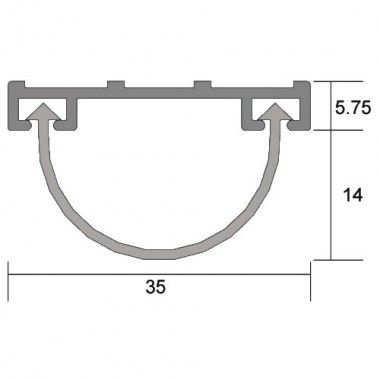
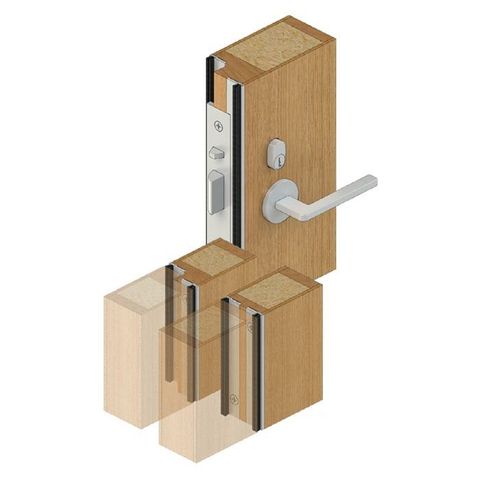
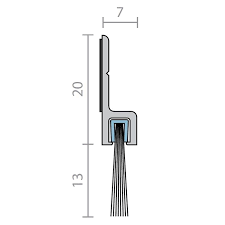
While double action doors are primarily about movement and flow, some openings may benefit from minor finishing details like seals or thresholds to improve comfort, reduce drafts, or manage small gaps. These should be chosen carefully so they don’t interfere with smooth bi-directional swing or the door’s return action.
How to Choose the Right Double Action Door Hardware
Start With the Door’s Job
Is it a back-of-house kitchen door, a high-traffic corridor door, or a feature internal partition? The answer guides whether you prioritise durability and protection hardware, higher security locking, or premium design finishes.
Match Hardware to Traffic and Door Weight
Double action openings can be extremely high-cycle. Selecting pivots/hinges and door control hardware that suit the door’s weight and frequency of use helps prevent early wear and alignment issues.
Choose Touch Points That Make Use Obvious
Push plates and pull handles help users instinctively understand how to operate the door from either side. This improves flow and reduces impacts caused by uncertainty or “wrong-side” use.
Coordinate Function and Finish
If the opening needs latching or locking, ensure the chosen lock/latch format works with the double action movement. Then coordinate the visible finishes across the set—handles, plates, stops and accessories—for a consistent architectural result. Dormakaba and Lockwood are commonly specified where dependable commercial performance is the priority, while Zanda and Barben are great options when you want a modern, premium aesthetic aligned with contemporary interiors.
Local Support in Brisbane, Queensland, New South Wales and Australia-Wide
John Barnes Group supports double action door hardware selections for projects in Brisbane and throughout Queensland, from hospitality venues to commercial fitouts and facilities maintenance. We also supply customers across New South Wales and ship Australia-wide, making it easier to standardise hardware across multi-site businesses and staged rollouts. Whether you’re replacing worn components or specifying a complete new opening, you’ll find options designed to suit the unique demands of bi-directional swing doors.
Frequently Asked Questions
What is double action door hardware?
Double action door hardware is the set of components designed for doors that swing in both directions. It commonly includes double action hinges or pivots, door control (such as return-to-centre control), handles/push plates, compatible latching or locking (where needed), stops, and protective accessories.
Do double action doors need a door closer?
Many do, especially in commercial and high-traffic settings. Door control helps the door return smoothly and consistently, reducing slamming and improving day-to-day usability. The right solution depends on door weight, traffic level, and the desired closing behaviour.
What’s better for double action doors: hinges or pivots?
It depends on the door size, weight, and traffic. Some openings suit double action hinges, while others benefit from pivot-based systems for improved stability and a more controlled swing. Choosing the right option helps maintain alignment and reduces wear over time.
Can double action doors be lockable?
Yes. While many double action doors use simple latching or catch solutions, some applications require keyed access. In these cases, selecting compatible lock and cylinder components is essential to ensure the door remains smooth to operate and secure when required.
What handles work best on double action doors?
Pull handles, push plates, and push/pull combinations are common because they suit bi-directional use. The best choice depends on traffic, user behaviour, and design goals—matte black for modern interiors, stainless steel for durability, or brass tones for a premium look.
Do I need door stops on a double action door?
In most cases, some form of stopping or protection is strongly recommended. Because the door swings both ways, stops help prevent wall and frame damage and protect the door hardware from impact—especially in busy commercial environments.
What hardware is common for double action doors in hospitality and kitchens?
Hospitality doors often use durable pivots or double action hinges, reliable return control, push plates and kick plates, plus protection hardware like stops. These components help the door handle frequent use, reduce damage, and keep movement smooth during service.
Can I match double action hardware finishes across a whole fitout?
Yes. Many projects coordinate visible hardware—pulls, plates, stops and accessories—in consistent finishes such as stainless steel, matte black, or brass tones. Coordinating across trusted ranges from Lockwood and Dormakaba, and design-focused options from Zanda and Barben, helps deliver a cohesive architectural result.
Why Choose John Barnes Group?
John Barnes Group helps you specify double action door hardware that performs reliably in demanding Australian environments. From durable commercial options by Dormakaba and Lockwood to premium, design-led styling from Zanda and Barben, we support complete opening solutions—handles, latching, pivots/hinges, door control, stops and essential accessories. Based in Brisbane and supporting Queensland, New South Wales and Australia-wide delivery, we make it easier to source architectural door hardware that suits high-traffic double swing applications and maintains a consistent, professional finish.