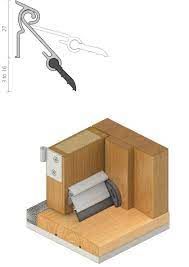
Inward Opening Only
-
$51.65 inc GSTPrice:$46.95 ex GST
Inward Opening Only Door Hardware
Inward opening doors are all about control, clearance and everyday usability. Whether you’re fitting out a home, upgrading internal doors in an office, or specifying a commercial entry that must swing into a protected space, the right inward opening only door hardware ensures smooth operation, secure latching, and a clean architectural finish. At John Barnes Group, you can buy inward opening door hardware online with options suited to front door, internal and external applications across residential and commercial projects Australia-wide.
Why “Inward Opening Only” Changes the Hardware Choice
An inward opening door swings into the room, tenancy or secure area—so hardware needs to suit the swing direction, the way the door is used, and the traffic flow around it. Clearance on the inside becomes important for handles, closers, stops and wall protection. Security and access control are often simplified (hinges are typically on the inside), but the opening still needs the right lock, latch and strike alignment to close cleanly without binding. With thoughtful selection, inward opening doors feel quieter, safer and more premium—especially when the whole opening is specified as a complete system rather than parts added later.
Key Benefits of a Properly Specified Inward Opening Hardware System
Smoother closing and consistent latching
Correct latch and strike pairing, the right hinge/pivot selection, and (where needed) a quality closer help the door return to the frame and latch positively every time—critical for busy commercial entries and internal office doors.
Better durability in high-traffic areas
When doors open inward, they often interact with internal walls, joinery and furniture. Choosing robust stops, correct closer settings and durable handle finishes protects the door, the frame and the surrounding fitout.
Cleaner aesthetics for modern interiors
Inward opening doors are common in contemporary designs where the interior experience matters. Coordinating architectural door hardware finishes—matte black, stainless steel, or warm brass tones—creates a consistent, premium look across handles, locks and accessories.
Popular Applications for Inward Opening Doors
Residential front doors and entries
Many homes use inward opening entry doors for weather practicality, security preference, or layout. In these cases, hardware selection often centres on keyed locks or deadlatches, comfortable handles, and a refined internal feel—especially where an entry leads directly into a living space.
Internal doors in homes, apartments and renovations
Bedrooms, bathrooms, studies and laundries typically open inward. Here, passage and privacy functions are common, with levers designed for daily comfort and reliable latching. Design-led ranges from Zanda and Barben suit modern, contemporary and premium interiors where consistency across the whole home matters.
Commercial offices, medical suites and education
In Brisbane and across Queensland, inward opening doors are frequently used for offices, meeting rooms, corridors and controlled-access spaces. In New South Wales, the same is true across tenancy fitouts, healthcare and institutional environments. These doors often need dependable latching and controlled closing—particularly where acoustic comfort, privacy and high-cycle durability are priorities.
Retail back-of-house and staff-only areas
Inward swing can support security and workflow in staff zones, storerooms and service corridors. Hardware tends to focus on robustness, reliable locking and clear door control to reduce wear and prevent impact damage to walls and adjacent fixtures.
Complete Hardware Range for Inward Opening Only Doors
Handles, Levers and Pull Handles
The handle choice should match how the door is used. Lever handles are common for inward opening internal doors because they’re quick to operate and integrate neatly with passage or privacy latches. Pull handles may be used on certain commercial inward opening doors (for example, where access control or latch types are designed around pull operation). For a modern look, matte black is popular across contemporary interiors; stainless steel remains a go-to for commercial durability; and brass-toned finishes can add warmth in premium residential settings. Zanda and Barben options are ideal when you want the handle to feel like a design feature, not an afterthought.
Locks, Latches and Door Function
Inward opening doors commonly use one of three functional setups: passage (no locking), privacy (bathrooms, consult rooms), or keyed/security (external doors and controlled areas). Choosing the right lock or latch means smoother closing and less wear on the frame over time. Lockwood hardware is widely selected for reliable latching and locking performance in both residential and commercial settings, especially where the door is used frequently and must keep working without fuss.
Cylinders and Keying (When Security Is Required)
Where keyed access is needed, compatible cylinders and related accessories form part of the complete solution. This can include keyed entry doors, storerooms, plant rooms, and tenancy doors. Cylinder selection should align with the lock case and your broader access needs, including the possibility of keyed-alike setups across a site. In many commercial applications, Dormakaba and Lockwood ecosystems support consistent security outcomes when hardware is standardised across multiple doors.
Hinges and Pivot Systems
Because inward opening doors swing into the space, hinge selection should consider door size, weight and frequency of use, plus how the door will interact with internal walls and joinery. Standard hinges suit many internal and residential doors, while heavy-duty options are common in commercial environments. Pivot systems can be used for a premium architectural feel in high-end interiors, delivering a smooth swing and a refined visual line when paired with matching handles and hardware finishes.
Door Closers and Controlled Closing
Door closers are often specified on inward opening commercial doors to control swing, reduce slamming and ensure the latch engages consistently. They’re also helpful where doors must reliably return to a closed position for security, privacy, or building management. Dormakaba door control solutions are frequently used where consistent closing performance and long-term reliability are essential, particularly in high-traffic Brisbane commercial fitouts and Australia-wide tenancy rollouts.
Bolts, Flush Bolts and Double Door Hardware
Where inward opening doors are paired (double doors), you may need flush bolts on the inactive leaf and compatible latching on the active leaf. This helps keep alignment tight and improves the stability of the opening. In commercial or premium residential applications, a well-specified double-door setup feels solid and purposeful rather than loose or rattly.
Strikes, Keeps, Plates and Door Alignment Hardware
Strikes and keeps are critical to how an inward opening door “feels” when it closes. A latch can only perform as well as the strike it meets. Selecting compatible strikes and plates helps reduce misalignment issues, improves latch engagement, and keeps the opening looking neat—especially where the door is used constantly or needs a more architectural finish.
Door Stops, Wall Protection and Hold-Open Options
Because inward opening doors swing into the room, the inside is where impact risk lives. Door stops help prevent the handle or door edge from damaging walls, glazing, joinery and furniture. In commercial environments, hold-open solutions can support workflow (where appropriate), while robust floor or wall stops protect fitouts from day-to-day knocks. This is one of the most cost-effective ways to preserve a premium finish over the long term.
Minor Finishing Details
Depending on the door location, minor finishing items like seals, sweeps, thresholds or plates may be used to refine comfort, reduce dust and improve the closing feel. These should complement—not dominate—the overall hardware specification, and are typically considered after handles, locks, hinges and door control are selected.
How to Choose the Right Inward Opening Only Door Hardware
Start with function: internal, external, front door
Internal doors usually need passage or privacy latching with comfortable levers. External and front door applications generally require keyed locking and compatible cylinders. Commercial doors often add door closers and more durable hardware for high-cycle use.
Match the hardware to the door and usage level
Consider door weight, material and how often it will be used. High-traffic doors benefit from heavy-duty hinges and reliable commercial-grade latching. Where controlled closing is important, select a closer suited to the opening and environment.
Coordinate finishes for a cohesive look
For modern and contemporary projects, matte black is a popular choice. Stainless steel remains a trusted option for durability and longevity in commercial spaces. Brass tones can elevate premium residential interiors. Coordinating across handles, locks, hinges and accessories creates a consistent architectural door hardware outcome.
Local Support Across Brisbane, Queensland, New South Wales and Australia-Wide
John Barnes Group supports inward opening door specifications for projects in Brisbane and across Queensland, from residential upgrades to commercial fitouts and ongoing maintenance programs. We also supply New South Wales customers and deliver Australia-wide, making it easier to standardise door hardware across multi-site portfolios. Whether you’re selecting modern levers for internal doors or specifying commercial-grade locks, closers and accessories for controlled spaces, you’ll find a complete range designed to suit inward opening only applications.
Frequently Asked Questions
What does “inward opening only” mean for door hardware?
It means the door is designed to swing into the room or tenancy, so hardware selection should suit the swing direction and internal clearances. This affects choices like closer setup, stop placement, handle clearance to walls, and how the latch and strike align for consistent closing.
What hardware is typically included for an inward opening door?
Most inward opening doors use a handle or lever set, a latch or lock (passage, privacy or keyed), hinges or a pivot system, and compatible strikes/plates. Many commercial doors also include a door closer, and most openings benefit from an appropriate door stop or protection hardware.
Can inward opening doors be used as a front door?
Yes. Inward opening front doors are common in many homes and can be specified with keyed locks, cylinders and durable handles for daily use. Consider internal clearance, security needs, and the finish you want—matte black, stainless steel or brass tones are popular choices.
Do I need a door closer on an inward opening door?
Not always. Closers are most common in commercial environments where controlled closing and consistent latching are important. They can also be useful in residential settings where you want a premium closing feel or need the door to reliably return to a closed position.
Which finishes work best with modern inward opening doors?
Matte black suits modern and contemporary interiors and pairs well with minimalist joinery. Stainless steel is highly popular for commercial durability and a clean architectural look. Brass tones can add warmth and elevate premium residential spaces when coordinated across the home.
Which brands are commonly used for inward opening door hardware?
Lockwood is widely trusted for robust latching and locking performance across residential and commercial applications. Dormakaba is frequently specified for commercial door control and reliability. For design-led interiors, Zanda and Barben offer premium handle and accessory options that suit contemporary architectural styling.
What’s the most common mistake when specifying inward opening door hardware?
Overlooking clearance and door control. Without the right stop placement and (where needed) a suitable closer, inward opening doors can damage walls or joinery and feel less refined. Specifying the door as a complete system—handles, locks, hinges/pivots, strikes and protection—delivers the best long-term outcome.
Can I standardise inward opening door hardware across multiple sites?
Yes. Standardising hardware helps simplify maintenance, improves consistency for staff and visitors, and makes future replacements easier. This is especially helpful for portfolios across Queensland, New South Wales and Australia-wide sites where uniform performance and appearance matter.
Why Choose John Barnes Group?
John Barnes Group helps you specify inward opening only door hardware as a complete, compatible system—so doors operate smoothly, latch reliably, and present a cohesive architectural finish. With trusted performance options from Dormakaba and Lockwood, plus premium design choices from Zanda and Barben, you can tailor solutions for internal and external doors across residential and commercial projects. Based in Brisbane and supporting Queensland, New South Wales and Australia-wide delivery, we make it easier to source dependable hardware that suits real Australian applications.