
Door Sill
-
$30.93 inc GSTPrice:$28.12 ex GST
-
$30.71 inc GSTPrice:$27.92 ex GST
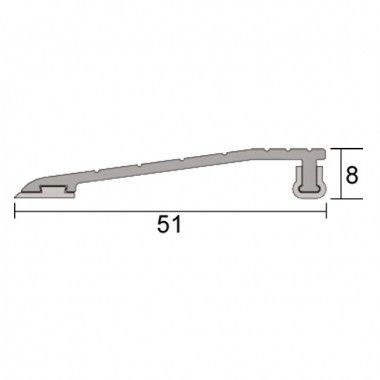
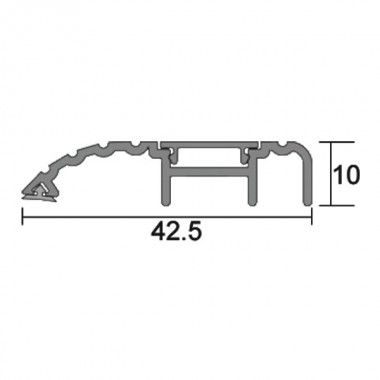
Door Sill Hardware & Threshold Solutions
A door sill is one of the hardest-working parts of any opening. It’s the transition point between spaces, the impact zone for foot traffic, trolleys, prams and wheel traffic, and the line where weather, dust and draughts try to sneak inside. Choosing the right door sill hardware isn’t only about a neat finish—it’s about improving the way the entire doorway performs. In this category you’ll find door sill and threshold products designed to suit common Australian residential and commercial applications, alongside the broader architectural door hardware considerations that make a door operate smoothly and securely day after day.
Why Door Sill Selection Matters
Door sills influence comfort, accessibility, durability and the “feel” of an entry. A well-chosen sill can help manage floor transitions, protect internal flooring from impact and moisture, and support a cleaner closing line at the base of the door. In busy sites across Brisbane and wider Queensland—where humidity, air-conditioning and high foot traffic are common—door sill hardware can reduce maintenance headaches and keep entries looking sharper for longer. In New South Wales, where seasonal changes can be more pronounced, a considered sill selection can also support better everyday comfort at external doors and high-use building entries.
Key Benefits for Residential and Commercial Openings
Cleaner Transitions Between Floor Surfaces
Doorways often join different floor finishes: tile to carpet, vinyl to concrete, timber to external paving. Door sills and threshold ramps help create a more controlled transition and protect edges from chipping and wear, especially in high-traffic corridors, retail entries and apartment common areas.
Durability in High-Traffic Areas
From office tenancies to hospitality venues, the base of the opening gets constant contact. Door sill plates and threshold components provide a tough, serviceable layer that can be replaced or refreshed without needing to rework the whole doorway.
Improved Door Performance at the Base
While door sills are not “locking” components, they play an important role in how a door closes and how consistent the bottom alignment feels. Pairing the correct sill profile with suitable hinges or pivots helps maintain smoother clearance at the base over time—particularly helpful for aluminium framed glass doors and other contemporary door systems where tolerances are tight.
Popular Applications for Door Sill Hardware
Front Door and External Entries
External entries demand a sill solution that suits the site conditions and the door design. In many homes and commercial buildings, the door sill area is where water, dust and debris accumulate. Selecting a sill or threshold ramp that supports a practical transition and easier cleaning helps keep entries looking premium and performing better long-term.
Internal Doorways and Fitouts
Door sills are also common internally where floor finishes change, where you want to protect a doorway edge, or where heavy movement occurs—think office corridors, meeting room entries and retail back-of-house thresholds. The right sill profile can make trolleys and equipment movement smoother and reduce damage to flooring edges.
Commercial Compliance and Access Considerations
Many commercial projects prioritise safer, more predictable transitions at doorways. Door sill ramps and low-profile threshold options are often specified to support access goals and reduce trip risk, especially in public-facing environments. Selection should always align with the project’s requirements and the door system being installed.
What’s Included in This Door Sill Category
Threshold Plates and Sill Profiles
Threshold plates and sill profiles provide a finished, protective transition at the base of the opening. Depending on the door type and floor build-up, you may choose a low-profile option for a cleaner, modern look or a more substantial profile where extra coverage or protection is needed. Finishes are typically selected to coordinate with surrounding architectural door hardware, including matte black, stainless steel and other contemporary tones.
Threshold Ramps and Transition Pieces
Threshold ramps help manage uneven levels and create a smoother pathway across the doorway. They’re commonly used in commercial entries and refurbishments where floor heights vary, or where movement of wheeled items is frequent. The goal is a practical, tidy transition that supports everyday traffic without compromising the look of the entry.
Fixings and Accessories
Many sill solutions rely on appropriate fixings and finishing accessories for a clean install. The right accessory choices can improve longevity, reduce movement, and help the sill sit neatly against floor finishes and door frames.
How Door Sills Work with the Rest of Your Door Hardware
Even when you’re shopping specifically for “door sill” application products, it pays to think about the whole opening. The sill impacts clearances, door control and how smoothly the door moves across the base line. Matching your sill choice with the correct hardware set-up helps prevent binding, scraping and uneven wear.
Handles and Pulls
Door sills influence the user experience at the point of entry—especially when combined with the right handle choice. A confident pull handle or lever set makes movement across a threshold feel natural. For premium, design-led projects, Zanda and Barben ranges can help you coordinate pull handles, levers and accessories with a door sill finish so the whole entry looks intentional and contemporary.
Locks, Latches and Cylinders
For external doors and controlled-access entries, locking hardware must operate smoothly without the door dragging on the sill. That means selecting a sill profile that suits the door’s swing and ensuring the door remains correctly aligned. Lockwood locking and latching solutions are commonly chosen for dependable performance in residential and commercial applications, and correct sill selection supports consistent latch engagement and a better “close” feel.
Hinges and Pivot Systems
Hinges and pivots determine how the door travels over the sill line. A heavier door, or a door that sees high traffic, benefits from hardware that maintains alignment over time. When the hinge or pivot choice is right, the door clears the sill cleanly, reducing wear and keeping the opening operating the way it should.
Door Closers and Controlled Closing
In commercial settings, door closers are often used to manage closing speed and help the door return to a fully closed position. This matters at the sill line because controlled closing reduces impact and helps maintain consistent clearances at the base. Dormakaba door control solutions are a popular choice where reliable, repeatable closing performance is important in busy environments.
Bolts, Stops, Strikes and Protection Hardware
For double doors, bolts and compatible hardware help maintain alignment so the base line remains consistent across both leaves. Door stops and protection hardware reduce the risk of doors swinging into walls or glazing—especially useful in tight corridors and shopfront entries. Strikes and plates complete the system by ensuring the door closes cleanly without unnecessary force that can translate into wear at the sill area.
Choosing the Right Door Sill for Your Project
Door sill selection should be driven by the opening type, traffic levels and floor conditions. Start by confirming whether the door is internal or external, how the floor levels meet at the doorway, and how the door moves (hinged, pivot, sliding). Then consider usage: a quiet residential doorway has different demands to a retail entry that sees constant foot traffic. Finally, match the look—select a finish that complements the rest of your architectural door hardware, whether you’re building a minimalist matte black scheme, a durable stainless steel commercial finish, or a warmer premium palette.
General Installation Guidance
Most door sill and threshold products are installed after you’ve confirmed floor heights and final finishes. Measure the doorway width and the transition area carefully, and ensure the sill profile suits the door swing and required clearances. In refurbishment projects, check for uneven subfloors and existing fixings before selecting a sill or ramp profile. If you’re coordinating multiple hardware elements—locks, closers, hinges and pulls—treat the doorway as a system so everything works together cleanly.
Local Support: Brisbane, Queensland, New South Wales and Australia-Wide
John Barnes Group supports door hardware projects in Brisbane and across Queensland, from modern residential upgrades to commercial fitouts and maintenance programs. We also service New South Wales and ship Australia-wide, helping builders, facility teams and specifiers standardise door sill hardware and related architectural door hardware across multi-site portfolios. Whether you’re refining a front door entry, upgrading internal transitions, or specifying durable threshold solutions for high-traffic commercial doors, you’ll find options designed for practical performance and a professional finish.
Frequently Asked Questions
What is a door sill used for?
A door sill provides a finished transition at the base of a doorway. It can help protect floor edges, manage level changes, and support a cleaner, more durable threshold area in both residential and commercial spaces.
How do I choose between a threshold plate and a threshold ramp?
Threshold plates are typically used where floor levels are relatively even and you want a neat, protective finish. Threshold ramps are commonly chosen when you need a smoother transition across different floor heights or where wheeled traffic needs an easier pathway.
Will a door sill affect how my door closes?
It can. The sill sits on the clearance line at the bottom of the door, so the profile must suit the door swing and alignment. Choosing the right sill helps prevent scraping and supports smoother closing, especially when paired with appropriate hinges or pivots.
Do I need to consider locks and latches when selecting a door sill?
Yes—particularly for external doors. If the door drags or binds on the sill, locking and latching can feel stiff or inconsistent. Matching sill height and profile to the door set-up supports cleaner latch engagement and better overall performance, including with Lockwood locking solutions.
Are door closers relevant to the door sill area?
In commercial environments, yes. A closer helps control closing speed and reduces impact, which can improve long-term alignment and reduce wear at the base of the door. Dormakaba door control products are commonly used where consistent closing performance is important.
What finishes suit modern door sill hardware?
Stainless steel is popular for durability and broad commercial appeal. Matte black is widely used for contemporary interiors and architectural schemes. Where you’re coordinating a premium look, you may also match sill hardware to other warm-toned finishes used across the broader doorway hardware.
Can I match my door sill hardware with handles and pulls?
Yes. Coordinating the sill finish with visible touch points like handles and pulls creates a more intentional, premium result. Zanda and Barben hardware ranges can help you achieve cohesive styling across the opening, especially in modern residential and commercial fitouts.
What other hardware should I consider when upgrading a doorway?
A complete doorway often includes handles/pulls, locks/latches/cylinders (where keyed), hinges or pivots, door closers (commonly in commercial), bolts for double doors, door stops, and strikes/plates. Treating these as a system helps ensure smoother operation and a longer-lasting finish.
Why Choose John Barnes Group?
John Barnes Group helps you specify door sill and threshold solutions as part of a complete architectural door hardware system—so your openings look cohesive and perform reliably. With trusted performance options from Dormakaba and Lockwood, and design-forward choices from Zanda and Barben, you can coordinate function, durability and finish across residential and commercial projects. From Brisbane across Queensland, through New South Wales and with Australia-wide delivery, we make it easier to source the right hardware for doors that work smoothly every day.