
Sash Window
-
$37.17 inc GSTPrice:$33.79 ex GST
-
$30.37 inc GSTPrice:$27.61 ex GST
-
$26.57 inc GSTPrice:$24.15 ex GST
-
$42.78 inc GSTPrice:$38.89 ex GST
-
$20.59 inc GSTPrice:$18.72 ex GST
-
$19.42 inc GSTPrice:$17.65 ex GST
-
$20.80 inc GSTPrice:$18.91 ex GST
-
$27.41 inc GSTPrice:$24.92 ex GST
-
$8.50 inc GSTPrice:$7.73 ex GST
-
$10.40 inc GSTPrice:$9.45 ex GST
-
TRA1638Stock Level:Available to Order$13.23 inc GSTPrice:$12.03 ex GST
-
$15.13 inc GSTPrice:$13.75 ex GST
-
$11.34 inc GSTPrice:$10.31 ex GST
-
$12.30 inc GSTPrice:$11.18 ex GST
-
$42.54 inc GSTPrice:$38.67 ex GST
-
$28.37 inc GSTPrice:$25.79 ex GST
-
$37.82 inc GSTPrice:$34.38 ex GST
-
$33.10 inc GSTPrice:$30.09 ex GST
-
$29.30 inc GSTPrice:$26.64 ex GST
-
$14.19 inc GSTPrice:$12.90 ex GST
-
$50.11 inc GSTPrice:$45.55 ex GST
-
$13.23 inc GSTPrice:$12.03 ex GST
-
$42.54 inc GSTPrice:$38.67 ex GST
-
$11.34 inc GSTPrice:$10.31 ex GST
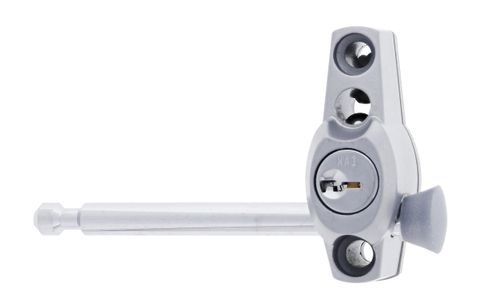
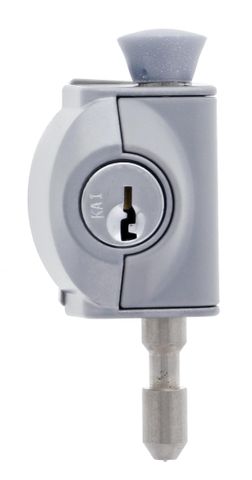
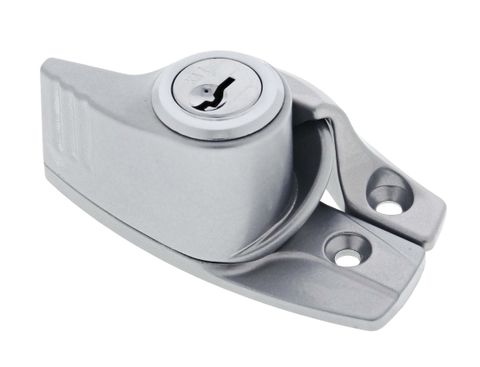
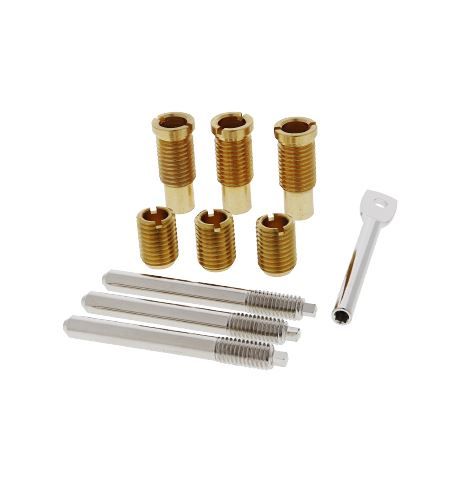
Sash Window Hardware
Sash windows are a timeless choice in Australian homes and commercial restorations, valued for their classic proportions, ventilation control and heritage charm. The right sash window hardware is what makes them practical day to day—easy to open, smooth to balance, secure when closed, and consistent in finish across a whole project. In this category you can buy sash window hardware online for repairs, upgrades and new installations, with options suited to residential and commercial use across Brisbane, Queensland, New South Wales and Australia-wide.
Why Quality Sash Window Hardware Matters
Sash windows rely on multiple components working together. When even one part wears out—like a loose fastener, failing balance, or misaligned keeper—the window can rattle, drop, stick, or feel insecure. Good hardware restores the “glide” of the sash, improves security, reduces nuisance movement, and helps protect frames and joinery from damage caused by slamming or binding. It also lets you match the look of period joinery with modern performance expectations, whether you’re maintaining a Queenslander in Brisbane, updating a terrace in New South Wales, or standardising fittings across a commercial refurbishment.
Common Sash Window Styles and What They Need
Traditional Double-Hung Timber Sash Windows
Classic double-hung windows typically use fasteners and keepers to lock the meeting rails, plus lifts for comfortable operation. Depending on the build, they may use cord-and-pulley systems with weights, or modern balances that replace cords and weights to simplify movement. Add-on sash stops and security bolts can improve ventilation control and security without changing the character of the window.
Spring-Balanced and Retrofit Sash Systems
Many modern or retrofitted sash windows use spiral balances, block-and-tackle balances, or other spring systems rather than weights. Hardware selection here focuses on smooth lifting, consistent tension, and reliable locking and alignment at the meeting rails. Choosing compatible replacement components helps maintain safe, stable window movement over time.
Tilt-In or Tilt-and-Clean Sash Windows
Some sash windows include tilt features for easier cleaning and maintenance. These designs may use tilt latches, pivot bars, or specialised guides in addition to standard fasteners and locks. The goal is safe operation and controlled movement—especially important in multi-storey residential and commercial settings.
What’s Included in Sash Window Hardware
Fasteners, Catches and Meeting Rail Locks
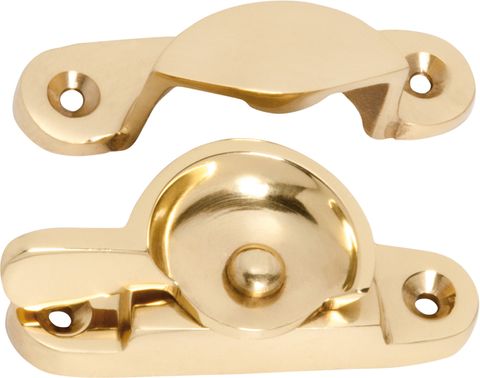
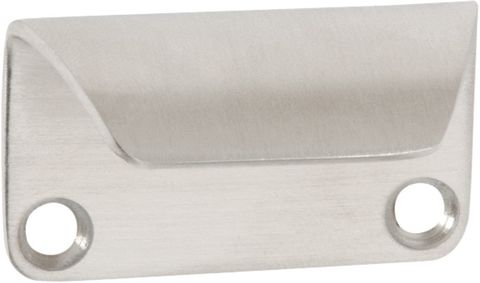
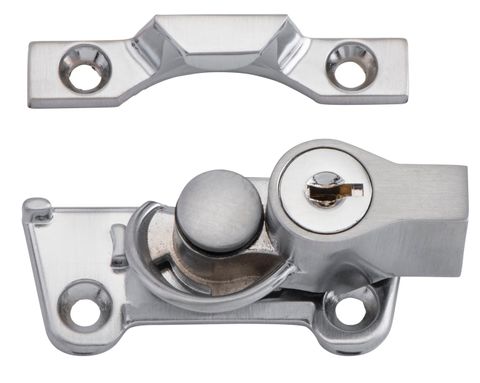
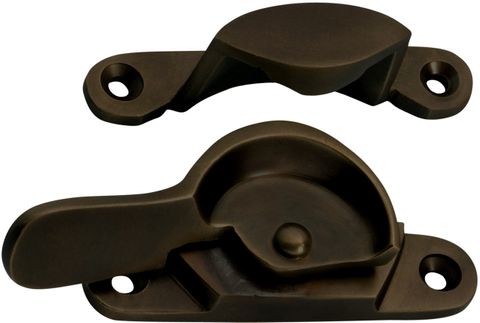
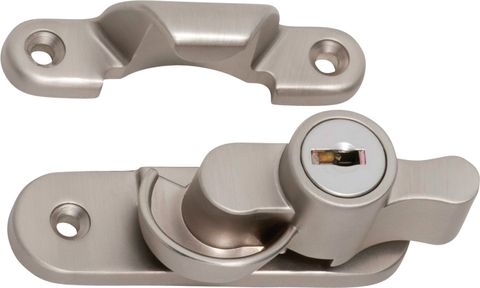
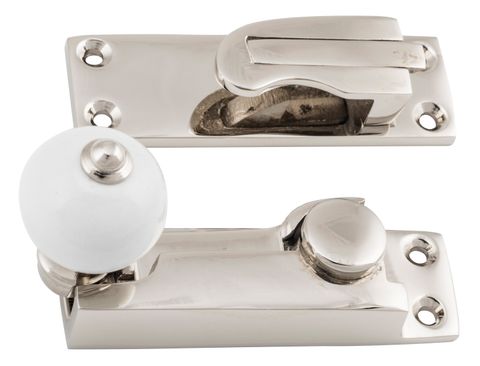
The most common “touch point” on a sash window is the fastener, which draws the meeting rails together to reduce movement and improve security. Options range from traditional sash fasteners with period styling to more contemporary profiles suited to modern interiors. Keepers/strikes are just as important as the fastener itself—correct alignment ensures the lock engages cleanly and the window closes firmly without forcing. For projects that also include doors, coordinating finishes with architectural door hardware from Lockwood, Dormakaba, Zanda and Barben can help maintain a consistent look throughout the property.
Locks, Keyed Options and Security Upgrades
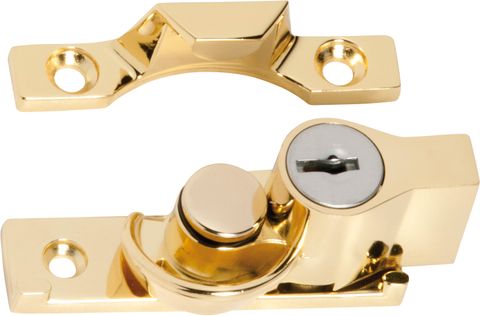
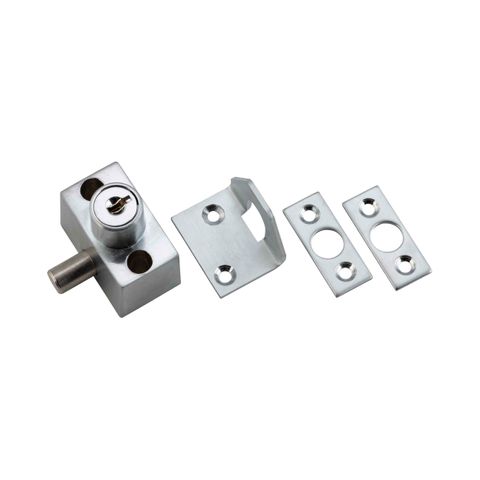
Where extra security is required, sash windows can be upgraded with keyed locks, robust meeting rail locking, and secondary security devices. Sash bolts and security bolts provide an additional fixing point to limit lifting or forceful opening, while allowing a controlled ventilation position in some configurations. In commercial or multi-residential environments, selecting dependable locking solutions and consistent keying approaches can simplify maintenance and improve site-wide security outcomes.
Sash Lifts, Pulls and Operating Hardware
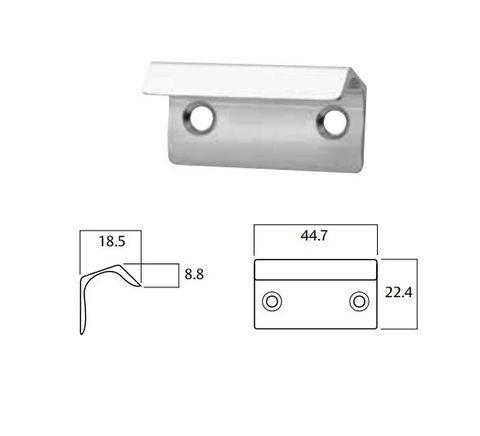
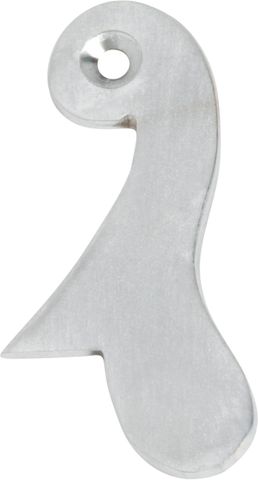
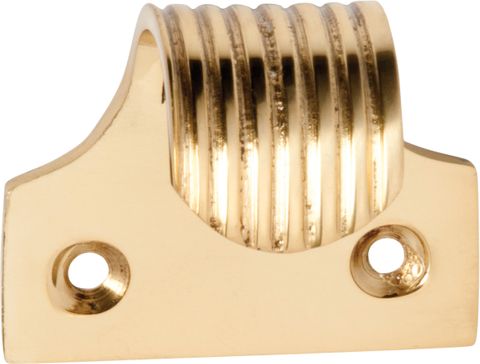
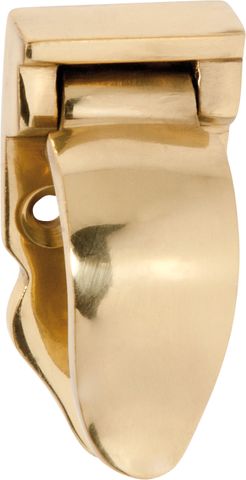
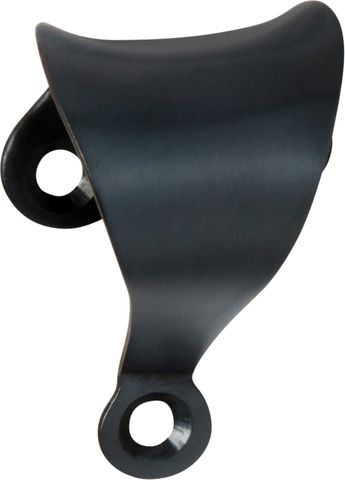
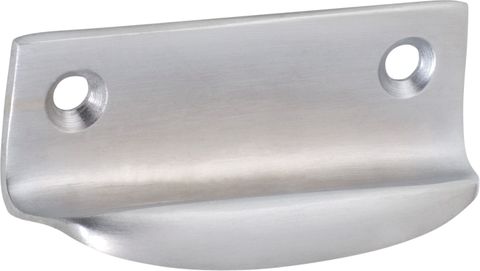
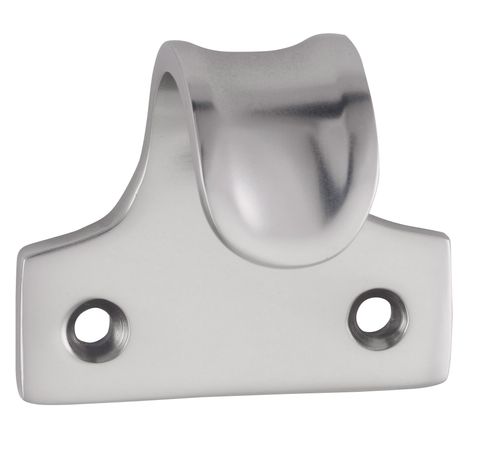
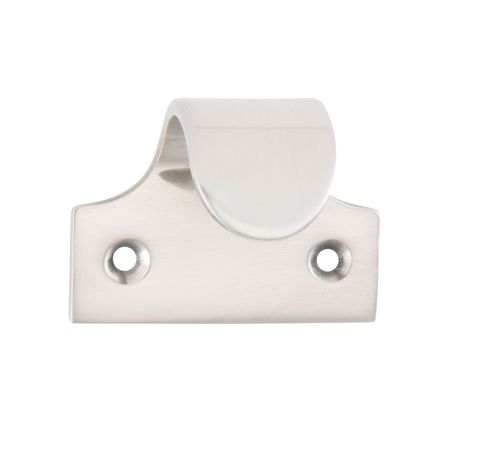
Sash lifts make opening and closing more comfortable and reduce the temptation to pull on the timber or frame edges, which can damage paint and joinery over time. Choose lift styles based on sash size and usage frequency—larger sashes benefit from more substantial grips and well-placed lift positions. For design-led refurbishments, matching lifts and fasteners in finishes like matte black, stainless steel, or brass tones can modernise the look while respecting heritage details.
Balances, Pulleys, Cords and Counterweight Components
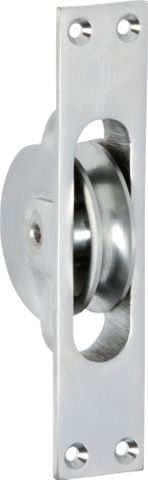
The “smooth glide” of a sash window comes from its balancing system. Traditional setups may use pulleys and cords with counterweights, while many repairs and upgrades involve replacing cords, pulleys, or worn guides. Modern balance systems (such as spring or block-and-tackle styles) can be used in new windows or retrofits where weight pockets are impractical. Because compatibility varies by window size and profile, it’s best to select replacement components based on existing hardware type and sash dimensions, aiming for stable tension and controlled movement.
Stops, Restrictors and Ventilation Control
Sash stops and restrictors help you control how far a sash opens, which is useful for ventilation management, security, and day-to-day safety. They can also reduce slamming in windy conditions and help keep the sash aligned over time. In busy environments—schools, aged care, offices, and hospitality—these small additions can make sash windows more predictable and easier to manage.
Hinges, Pivots and Tilt Components (Where Applicable)
Most traditional sash windows don’t use hinges like casement windows, but tilt-in sash designs may use pivot bars and tilt latches to enable controlled opening for cleaning. Selecting the right tilt components improves safety and reduces wear on the window guides. If your project includes multiple window types, keep hardware selection consistent in finish and feel to maintain a cohesive, premium result.
Strikes, Keepers, Plates and Hardware Accessories
Small parts make a big difference. Keepers, strikes, plates, screws, guides and packers help locks align, fasteners pull tight, and sashes sit correctly in the frame. Replacing worn keepers can instantly improve closure feel, reduce rattles and restore confidence in the lock. For maintenance teams, stocking these accessories supports faster, cleaner repairs across multiple sites.
Finishing Details
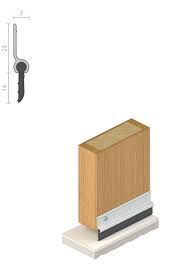
Seals and draught-excluding details can be a helpful finishing touch on some sash window projects, particularly where comfort and noise reduction are priorities. These should complement—not replace—proper alignment and correct hardware selection, and are best treated as the final step once locks, balances and stops are working as intended.
How to Choose the Right Sash Window Hardware
Start with the window’s function and condition. Are you restoring heritage timber sashes, upgrading for security, or replacing worn balance components? Identify your window style (double-hung, spring-balanced, tilt-in), then confirm what’s currently installed so you can match compatibility. Prioritise the hardware that affects operation first—balances/cords/pulleys and alignment—then select locks, fasteners and stops for security and control. Finally, choose lifts and visible fittings that suit the aesthetic and traffic level, whether you’re targeting a modern, contemporary look or a more traditional finish.
Residential Versus Commercial Considerations
Residential projects often focus on ease of use, appearance and basic security—fasteners, lifts, and discreet stops are common upgrades. Commercial projects typically need higher-cycle durability, consistent site-wide security and easy maintenance, with robust locks, standardised hardware selection and readily replaceable accessories. In mixed developments, harmonising window hardware finishes with architectural door hardware (lever sets, pulls and entry hardware) from brands like Lockwood, Dormakaba, Zanda and Barben can create a consistent specification across openings.
Finishes and Design Compatibility
Finish choice matters because sash window hardware is highly visible and frequently touched. Matte black is popular for contemporary renovations and modern interiors, stainless steel suits durability and everyday practicality, and brass tones can elevate heritage restorations or add warmth to premium projects. For consistency across a property, match window hardware to nearby door and cabinet finishes, and consider how the hardware will look against painted timber, stained timber, and aluminium trims where used.
Local Support in Brisbane, Queensland, New South Wales and Australia-Wide
John Barnes Group supports sash window projects in Brisbane and across Queensland—from classic Queenslander restorations to modern refurbishments—and supplies New South Wales customers working on heritage and contemporary builds alike. With Australia-wide delivery through our online store, it’s easy to source sash window hardware for single-window repairs, staged renovations, and multi-site maintenance programs, while keeping your finishes and functionality consistent.
Frequently Asked Questions
What is included in sash window hardware?
Sash window hardware typically includes fasteners and keepers (meeting rail locks), sash lifts/pulls, balance components (cords, pulleys, weights or spring balances), sash stops/restrictors, and accessories like strikes, plates and guides. Some systems may also include keyed locks or tilt components depending on the window style.
How do I know what sash fastener or lock I need?
Check how your meeting rails align and what keeper/strike style is currently fitted. The best match is usually the same fastener type and a compatible keeper position so the lock draws the rails together without forcing. If you’re upgrading security, consider adding a secondary sash bolt or keyed option where suitable.
My sash window drops or won’t stay open—what should I replace?
This is often a balance issue. Traditional timber sashes may need new cords, pulleys or attention to counterweights, while spring-balanced systems may need replacement balances or tension adjustment. Restoring correct balance first makes every other hardware upgrade feel better and work more reliably.
Can I improve security on sash windows without changing the look too much?
Yes. Many security upgrades are discreet, such as sash stops, sash bolts, or strengthened meeting rail locking. These can improve resistance to lifting and allow controlled ventilation positions, while keeping the window’s visual style largely intact.
Are sash window lifts necessary?
They’re strongly recommended. Lifts protect the timber and paintwork by giving you a proper grip point, improving day-to-day usability and reducing wear on the frame edges. They also help larger or heavier sashes feel easier to operate.
Do sash windows use hinges or closers like doors?
Traditional double-hung sash windows generally don’t use hinges or door closers. Instead, they rely on balances and guides for controlled movement. Some tilt-in sash designs use pivot bars and tilt latches to enable safe cleaning access, which are selected specifically for that window system.
What finishes are best for sash window hardware in Australia?
Matte black suits modern renovations and contemporary interiors, stainless steel is a durable all-rounder, and brass tones work beautifully for premium or heritage styling. The best choice is usually the one that matches your broader architectural hardware—especially where doors and windows are specified together.
Can I standardise sash window hardware across multiple properties or sites?
Yes. Standardising fasteners, lifts, locks and common accessories simplifies maintenance and makes future replacements easier. It’s particularly useful for property managers and facility teams operating across Queensland, New South Wales and other regions Australia-wide.
Why Choose John Barnes Group?
John Barnes Group helps you source sash window hardware that supports smooth operation, reliable security and a cohesive finish across your project. From practical maintenance components to premium architectural selections, we make it easier to match function and style—whether you’re restoring classic timber sashes or upgrading modern systems. With trusted product options that align with broader architectural hardware specifications from Dormakaba and Lockwood, and design-forward finishes that complement Zanda and Barben ranges, we support customers in Brisbane, across Queensland, throughout New South Wales and Australia-wide.