Tilt-Up
-
$39.90 inc GSTPrice:$36.27 ex GST
-
$44.40 inc GSTPrice:$40.36 ex GST
-
$42.16 inc GSTPrice:$38.33 ex GST
-
$44.08 inc GSTPrice:$40.07 ex GST
-
$42.10 inc GSTPrice:$38.27 ex GST
-
$46.62 inc GSTPrice:$42.38 ex GST
-
$76.63 inc GSTPrice:$69.66 ex GST
-
$68.49 inc GSTPrice:$62.26 ex GST
-
$70.47 inc GSTPrice:$64.06 ex GST
-
$72.04 inc GSTPrice:$65.49 ex GST
-
$91.60 inc GSTPrice:$83.27 ex GST
-
$19.42 inc GSTPrice:$17.65 ex GST
Tilt-Up Door Hardware
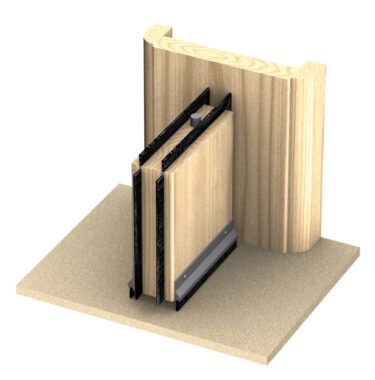
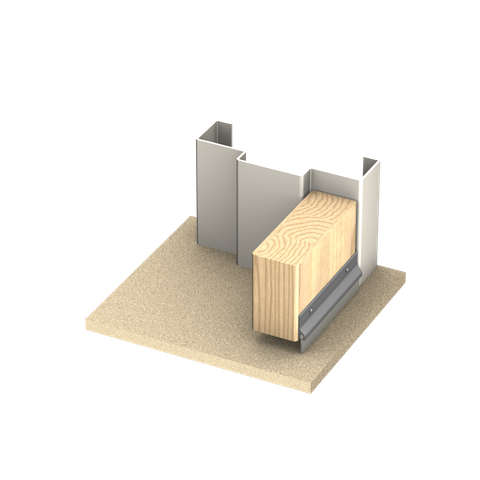
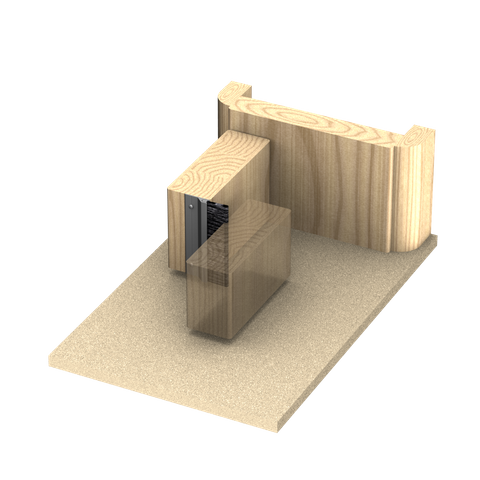
Tilt-up doors (often called “up-and-over” doors) are a practical choice wherever you need a wide, unobstructed opening with a clean, single-panel look—most commonly for garages, storage areas, workshops and light-commercial service entries. Because the door moves on pivoting arms and transitions from vertical to horizontal, tilt-up doors place unique demands on hardware: components need to hold alignment, manage movement, and deliver dependable access control without rattles, binding, or premature wear. This category brings together a wide range of tilt-up door hardware so you can buy the right parts online—handles and pulls, locks and latches, cylinders, pivots and hinge/arm components, door control options, bolts, stops, strikes/plates and the small but important accessories that keep tilt-up doors working smoothly across residential and commercial sites throughout Australia.
Why Tilt-Up Door Hardware Needs a Purpose-Built Approach
Unlike hinged swing doors, a tilt-up door’s operating motion changes the load and contact points as it opens and closes. That means the “feel” of the door (how smoothly it lifts, how firmly it closes, how securely it locks) depends on selecting hardware that suits the door’s size, weight, frequency of use and environment. In Brisbane and across Queensland, heat, humidity and high-use family garages can accelerate wear on moving parts. In New South Wales, seasonal changes and coastal conditions can influence finish selection and corrosion resistance. Choosing quality architectural door hardware and compatible fittings helps reduce maintenance, improve security, and keep operation consistent over time.
Key Benefits of the Right Hardware on Tilt-Up Doors
Smoother Operation and Better Door Control
Well-matched pivots/arms, guides, and operating hardware reduce friction and improve the lifting motion. The result is a door that feels lighter, opens more predictably and returns to the closed position cleanly—especially important for manual tilt-up doors used daily.
More Reliable Security for Residential and Commercial Use
Tilt-up doors often protect high-value areas (vehicles, tools, stock, equipment). Selecting appropriate locks, latches and cylinder formats helps you achieve the level of access control you need—whether it’s a simple keyed entry for a home garage or a more robust solution for a workshop or storage facility.
Cleaner Finishes and a More “Architectural” Look
Because tilt-up doors are often a visible part of the façade, hardware finish and proportions matter. Coordinating pulls, lock trims, plates and accessories in modern finishes—matte black, stainless steel, or warmer metallic tones—helps the opening look considered and premium rather than purely utilitarian.
Popular Tilt-Up Door Applications
Residential Garages and Workshops
For homes, tilt-up doors are commonly specified for garages and workspaces where a single solid panel suits the building style. Hardware typically focuses on comfortable day-to-day access (easy grip handles/pulls), dependable keyed locking, and durable moving components that stand up to frequent opening.
Commercial Storage, Plant Areas and Back-of-House Access
In light-commercial settings, tilt-up doors can be used for storage rooms, service bays and back-of-house openings where reliability matters more than embellishment. These doors benefit from robust locks and latches, heavy-duty operating hardware, protective stops and well-chosen plates/strikes that keep everything aligned under repeated use.
Architectural Builds and Renovations
Where appearance is just as important as performance, tilt-up doors can be detailed to match modern design language. Pairing a strong handle/pull choice with coordinated lock furniture and tidy plates creates a cohesive look—especially when you’re matching other architectural door hardware throughout the property using ranges from Zanda or Barben.
What’s Included in Tilt-Up Door Hardware
Handles, Pulls and Operating Hardware
Handles are the everyday touchpoint—so comfort and durability matter. Tilt-up doors commonly use practical lifting pulls and exterior operating handles suited to the door’s motion. For projects aiming for a more refined result, you can coordinate visible handle finishes with other door hardware in the building (for example, matte black hardware across a modern home or stainless steel across a commercial site). Zanda and Barben options can help deliver a premium look where the door is a prominent design feature.
Locks, Latches and Access Control
Locking requirements vary widely depending on whether the door is a front-facing residential garage, a shared-access building, or a controlled commercial area. Tilt-up door locking may range from straightforward keyed solutions to more robust hardware setups designed to resist forced entry. Lockwood is a trusted choice across many Australian sites where dependable locking and durable components are a priority, and it can be used to support a consistent security approach alongside other entries on the property.
Cylinders and Key Management
Where keyed locking is used, cylinder selection and keying strategy matter. Matching cylinder formats and keying across multiple access points can make day-to-day use simpler for households and facilities teams. If you’re standardising across a site or multiple locations (for example across Queensland and New South Wales), aligning cylinders and compatible lock hardware helps reduce complexity for maintenance and future replacements.
Pivots, Hinges and Tilt Mechanisms
The heart of a tilt-up door is its pivoting action. Hardware in this area focuses on stable movement, consistent alignment and long-term durability. While the exact mechanism differs between door constructions, selecting components that suit the door’s weight and frequency of use is key to preventing sagging, scraping or uneven closing over time.
Door Control and Closing Behaviour
Tilt-up doors rely on their mechanism and setup to return to the closed position smoothly. In broader projects where door control is part of an overall access plan (including pedestrian hinged doors nearby), door control hardware such as closers can be specified to deliver consistent, controlled closing on adjacent swing doors that share the same security zone. Dormakaba solutions are commonly specified in commercial environments where consistent closing and reliable daily performance are required across a site’s door set.
Bolts, Shoot Bolts and Secondary Securing
For added stability and security, bolts and secondary securing hardware can be used to reinforce the closed position—particularly where doors are subject to vibration, wind exposure, or high traffic around the opening. These solutions can also support door alignment and reduce rattle when paired with appropriate strike surfaces or plates.
Stops, Buffers and Protection Hardware
Stops and buffers protect the door, frame and surrounding surfaces by limiting travel and reducing impact. They’re especially valuable where the door opens into a garage ceiling space or near stored items, shelving or vehicles. In busy households and commercial sites, protection hardware reduces damage and extends the life of the opening.
Strikes, Plates and Finishing Accessories
Often, the difference between a door that “works” and a door that “works well” comes down to finishing components: strike plates that line up cleanly, reinforcement plates that support fixing points, and tidy trim accessories that improve both durability and presentation. These details matter when you’re aiming for a premium, modern finish across the full property.
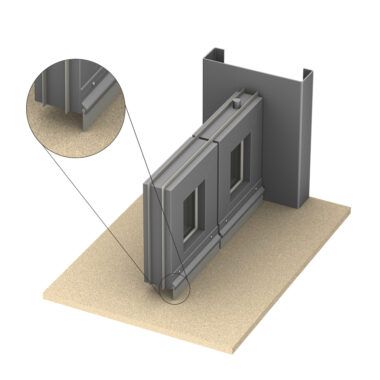
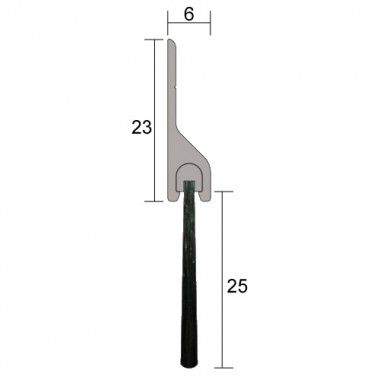
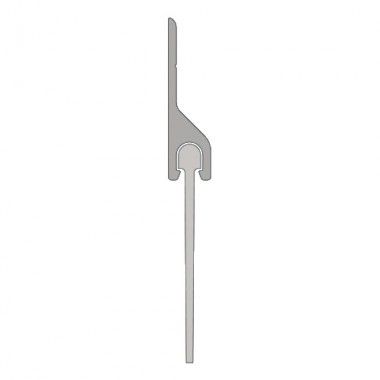
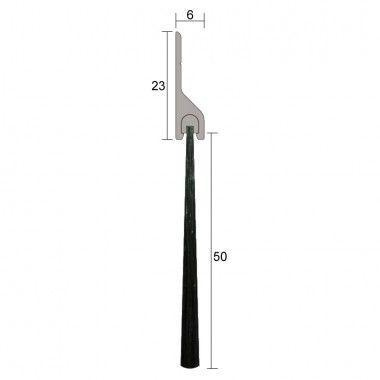
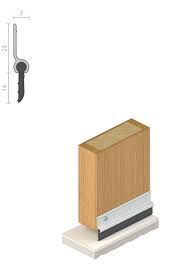
Seals and Threshold Details
While tilt-up doors are primarily about access and security, finishing details like seals and thresholds can help reduce dust, drafts and insects in certain situations. These are best treated as complementary additions to the core hardware specification—particularly if the garage or storage space is being used as a workshop, gym or semi-conditioned area.
How to Choose the Right Tilt-Up Door Hardware
Start With Door Use: Internal/External, Residential and Commercial
Is the door a front-facing external entry, a side-access garage, or a back-of-house commercial opening? External doors typically need more robust locking and weather-tolerant finishes, while internal or sheltered openings may prioritise ease of use and smoother operation.
Match Hardware to Door Weight and Frequency of Use
A lightly used residential tilt-up door can have different requirements to a high-cycle commercial storage opening. Selecting durable moving components and dependable locks reduces maintenance and helps keep operation consistent as the door ages.
Coordinate Finishes for a Consistent Look
If your tilt-up door hardware is visible from the street or forms part of a design-led build, finish coordination matters. Matte black is popular for contemporary homes and modern commercial facades. Stainless steel suits durability and high-traffic use. Brass tones can add warmth in premium architectural builds, especially when coordinating with internal levers, pulls and accessories from ranges such as Zanda or Barben.
Plan for Maintenance and Replacement
Choosing commonly supported hardware formats and keeping key components consistent across a property makes maintenance easier. For facilities teams and multi-site businesses, standardising access hardware (including Lockwood locking solutions and compatible cylinders) can simplify ongoing servicing across Queensland, New South Wales and Australia-wide portfolios.
Local Support: Brisbane, Queensland, New South Wales & Australia-Wide
John Barnes Group supports customers in Brisbane and across Queensland with hardware solutions suited to real Australian conditions, from residential garage upgrades to commercial back-of-house openings. We also supply projects throughout New South Wales and deliver Australia-wide through our online store—making it easier to source tilt-up door hardware consistently, whether you’re maintaining one property or standardising across multiple sites.
Frequently Asked Questions
What hardware do I typically need for a tilt-up door?
Most tilt-up doors use a combination of operating handles/pulls, a lock or latch (often keyed for external doors), compatible cylinder components where required, pivot/hinge or arm hardware for movement, plus supporting items like plates, strikes, bolts and stops to improve alignment and durability.
Is tilt-up door hardware different from standard hinged door hardware?
Yes. Tilt-up doors move on a pivoting mechanism rather than a simple side hinge swing, so the operating hardware and movement components need to suit that motion. Locking and reinforcing components are also commonly selected to match the door’s construction and security needs.
Can I upgrade the security on an existing tilt-up garage door?
Often, yes. Upgrading may involve improving the primary lock/latch hardware, adding compatible cylinder/keying where appropriate, and reinforcing the closing points with plates or secondary securing hardware. Selecting quality locking components—such as Lockwood solutions in relevant applications—can help deliver a more dependable result.
What finishes are best for tilt-up door hardware in Australia?
Stainless steel is a strong all-round choice for durability and exposure, while matte black suits modern builds and contemporary facades. Brass tones can work well on premium architectural projects where you’re matching other visible hardware across the property.
Do tilt-up doors use door closers?
Tilt-up doors primarily rely on their mechanism and setup for opening and closing behaviour. However, in many projects you’ll also have adjacent pedestrian swing doors (into garages, storerooms or plant areas) where closers are commonly specified—Dormakaba options are frequently used in commercial environments where controlled closing and consistent operation is important.
How do I choose the right handle or pull for a tilt-up door?
Choose based on comfort, grip and how the door is used. For daily residential use, a comfortable pull and secure operation is key. For design-led builds, you may also want to coordinate the handle style and finish with other architectural hardware—Zanda and Barben ranges can help achieve a cohesive modern look.
What accessories make the biggest difference to tilt-up door performance?
Small components often have a big impact: plates and strikes that improve alignment, bolts that stabilise the closed position, and stops/buffers that protect the door and surrounding surfaces. These details help reduce rattle, wear and unexpected damage over time.
Can I standardise tilt-up door hardware across multiple properties or sites?
Yes. Standardising locks, cylinders, and common accessory formats can simplify maintenance and replacement—particularly for businesses managing sites across Brisbane, wider Queensland, New South Wales and Australia-wide.
Why Choose John Barnes Group?
John Barnes Group helps you specify tilt-up door hardware that balances security, durability and a clean architectural finish. With trusted solutions that support consistent access outcomes (including Lockwood locking options and commercial-grade support where Dormakaba hardware is specified) plus design-forward choices from Zanda and Barben, you can build a cohesive hardware schedule across residential and commercial openings. Based in Brisbane and supporting Queensland, New South Wales and Australia-wide delivery, we make it easier to source reliable door hardware for Australian projects.