
Sliding
-
$165.63 inc GSTPrice:$150.57 ex GST
-
ASTSIBDPV2SCStock Level:In Stock - Low Availability$240.54 inc GSTPrice:$218.67 ex GST
-
$185.01 inc GSTPrice:$168.19 ex GST
-
$203.03 inc GSTPrice:$184.57 ex GST
-
SP61-SSSStock Level:Available to Order$42.16 inc GSTPrice:$38.33 ex GST
Sliding Door Hardware
Sliding doors are a smart choice when you want clean lines, space savings and smooth access—whether it’s a residential cavity slider, a commercial office slider, a retail back-of-house door, or a modern internal partition. But the difference between a sliding door that feels “basic” and one that feels premium comes down to the hardware: the handles you touch, the lock that secures the opening, the pull that glides the door, and the accessories that keep everything aligned and durable over time. At John Barnes Group, you can buy sliding door hardware online with options for residential and commercial applications across Australia, including Brisbane, Queensland and New South Wales.
Why the Right Sliding Door Hardware Matters
Sliding doors rely on a different set of performance factors than hinged doors. Instead of hinges and swing clearance, you’re managing alignment, track/guide stability, smooth operation, reliable latching, and a flush finish that suits the door leaf and surrounding joinery. Quality sliding door hardware improves day-to-day use (no sticking, rattling or awkward pulling), supports better privacy and security (where required), and elevates the overall look with modern, contemporary or premium handle designs in finishes like matte black, stainless steel and brass tones.
Popular Sliding Door Applications
Internal Sliding Doors
Internal cavity sliders and surface sliders are popular in apartments, renovations and modern builds because they free up floor space and keep rooms flexible. They’re commonly used for bathrooms, ensuites, laundries, pantries, studies and wardrobes. For internal doors, the focus is usually ease of use and a neat flush finish—often with a privacy function for bathrooms or a passage function for general rooms.
Residential External Sliding Doors
External sliders—such as patio and balcony doors—often need a stronger emphasis on security, durability and comfortable grip. Hardware selection may include keyed locking, robust pulls, and accessories that support consistent operation in high-use family environments. Finish selection also matters here, particularly in coastal or high-humidity areas across Queensland, where stainless steel is a common choice for durability and long-term appearance.
Commercial Sliding Doors
In offices, education and healthcare settings, sliding doors are often used to create flexible meeting rooms, consult spaces and storage areas without compromising circulation. Commercial sliding door hardware typically prioritises reliable latching, tough finishes and repeatable performance. Trusted ranges from Dormakaba and Lockwood are frequently specified where durability and consistent function are critical, while Zanda and Barben options can support design-driven projects where the hardware is part of the visual brief.
What’s Included in Sliding Door Hardware
Flush Pulls, Recessed Handles & Edge Pulls
Because sliding doors move past jambs and frames, they often use flush pulls or recessed handles to avoid protrusions. These provide a clean, architectural look and are ideal for cavity sliders and tight clearances. Edge pulls are a practical addition where you want extra grip to pull the door from a flush position, especially on full-height doors or heavier leaves. For modern interiors, matte black flush pulls are a strong favourite; stainless steel suits high-traffic areas; and brass-toned finishes can add warmth in premium residential design.
Pull Handles & D-Handles for Surface Sliders
For surface-mounted sliders or doors with more clearance, pull handles can offer a more prominent “grab point” and a bold aesthetic. This is common in contemporary homes, hospitality fitouts and retail settings where the hardware is part of the overall design language. Zanda and Barben ranges can complement architectural interiors with refined shapes and coordinated accessory options.
Sliding Door Locks, Latches & Privacy Sets
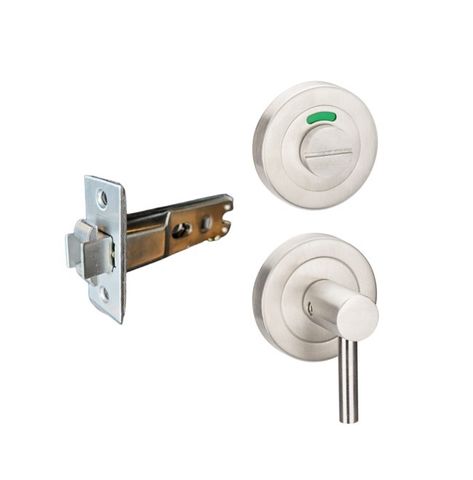
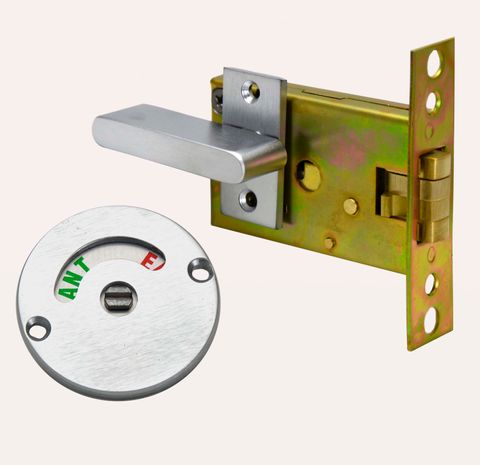
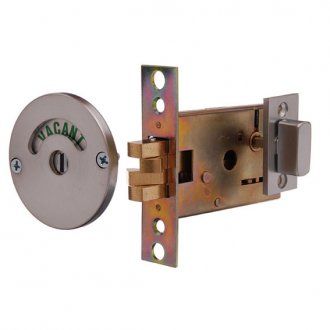
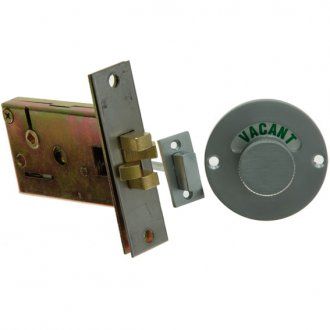
Locking and latching choices depend on function. For bathrooms and private rooms, sliding door privacy locks are a popular solution, providing a simple turn/snib operation with a clean flush finish. For general internal doors, passage latches keep the door shut without locking. For external or security-sensitive applications, keyed locking and compatible cylinders may be required. Lockwood is widely recognised for dependable locking and latching solutions, and Dormakaba options are commonly specified in commercial environments where reliability and system compatibility are important.
Cylinders & Keying Options (Where Applicable)
If the sliding door lock is keyed, selecting the right cylinder format and keying approach can help standardise access across a home or site. This is particularly useful for multi-door projects or maintenance programs where consistent keying reduces complexity. Cylinder selection should always align with the lock type and door preparation.
Guides, Tracks & Running Gear Compatibility
While many sliding systems rely on separate track and running gear, the hardware you choose must remain compatible with how the door slides—especially handle depth, latch engagement and door thickness. The best results come from selecting flush pulls and lock bodies that suit the door leaf construction and the cavity or frame clearances, so you avoid rubbing, binding or poor closing alignment.
Bolts, Flush Bolts & Multi-Panel Solutions
Where sliding doors are used in pairs, or where you have multi-panel configurations, bolts and flush bolts can help secure inactive panels and improve stability. These are common in commercial partitioning and some residential designs where you want a clean look without bulky surface hardware.
Strikes, Plates, Keeps & Closing Hardware Details
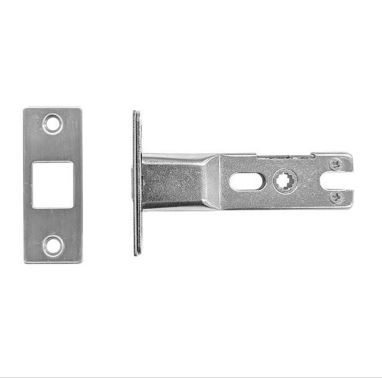
The “feel” of a sliding door is often determined by the small parts: strikes and keeps that align correctly, face plates that finish neatly, and latch components that close without excessive force. Selecting quality strike and keep components helps reduce rattles and improves long-term reliability—especially in busy commercial environments across Brisbane and NSW where doors may cycle frequently.
Stops, Buffers & Door Control Accessories
Sliding doors benefit from stops and buffers to prevent harsh end-of-travel impacts and reduce noise. These accessories help protect door edges, handles and surrounding joinery—particularly important in commercial fitouts and modern homes with full-height doors. Door stops and protective accessories are small investments that can significantly reduce maintenance issues over time.
Hinges, Pivots & Door Closers (When Relevant)
Most sliding doors don’t use hinges or standard door closers in the same way hinged doors do. However, some sliding applications incorporate specialised pivoting components (for hybrid systems) or soft-close/return mechanisms depending on the door system design. In broader project specifications, you may also be coordinating sliding door hardware alongside hinged door openings—where Dormakaba door control and Lockwood latching hardware help maintain consistent performance and finish across the site.
How to Choose the Right Sliding Door Hardware
Start With Door Function
Ask what the door needs to do: passage, privacy or security. Internal doors often suit passage or privacy locks with flush pulls. External doors typically require a stronger security approach, often with keyed locking and durable pulls.
Match the Hardware to the Door Type
Cavity sliders generally require flush pulls and compatible lock bodies that sit neatly within the door thickness. Surface sliders can accommodate more prominent pulls. Multi-panel doors may need additional bolts and coordinated keeps for stable closure.
Consider Use Frequency and Environment
High-traffic commercial doors benefit from robust, proven hardware designed for repeated cycles. In humid or coastal-adjacent areas—common in Queensland—choosing durable finishes such as stainless steel can help maintain appearance over time. For premium residential interiors, coordinating a consistent finish across the home (matte black, stainless steel or brass tones) helps deliver a more refined result.
Choose a Finish That Complements the Space
Matte black is a strong choice for modern and contemporary interiors, especially when paired with minimalist joinery and black-framed glazing. Stainless steel suits commercial durability and timeless practicality. Brass and warm metallic tones can elevate premium residential projects and create contrast against pale timbers and neutral palettes. Zanda and Barben options are particularly useful when you want a design-forward handle profile with coordinated accessories.
Sliding Door Hardware for Residential and Commercial Projects
Whether you’re updating a single internal slider or specifying hardware for a full commercial fitout, selecting compatible components across pulls, locks, strikes and accessories helps create doors that operate smoothly and last longer. In commercial environments, trusted performance matters—Lockwood and Dormakaba ranges are frequently chosen for reliability and consistent operation. For contemporary design outcomes in residential builds and architectural projects, Zanda and Barben support premium aesthetics with finishes that align to modern Australian interiors.
Local Support: Brisbane, Queensland, New South Wales & Australia-Wide
John Barnes Group supports customers in Brisbane and across Queensland with sliding door hardware solutions that suit modern homes, commercial fitouts and maintenance programs. We also supply projects throughout New South Wales and ship Australia-wide through our online store—making it easy to standardise sliding door hardware across multiple sites or keep replacements consistent over time. If you’re looking to buy sliding door hardware online in Australia, this category helps you choose practical, compatible options that match your door type and usage.
Frequently Asked Questions
What hardware do I need for a sliding door?
Most sliding doors use flush pulls or recessed handles, and may include a passage latch, privacy lock or keyed lock depending on the door’s function. Many installations also require compatible strikes/keeps and accessories like edge pulls, buffers or stops for smoother operation and a better finish.
What’s the difference between sliding door flush pulls and pull handles?
Flush pulls sit recessed into the door face, ideal for cavity sliders and tight clearances. Pull handles are more prominent and are commonly used on surface sliders or doors with more space around the frame, often as a design feature in contemporary interiors.
Can sliding doors be fitted with privacy locks for bathrooms?
Yes. Sliding door privacy locks are a common choice for bathrooms, ensuites and consult rooms, offering a neat flush finish with a simple turn/snib operation. Selecting a compatible flush pull and lock body helps ensure smooth sliding and clean closure.
Do external sliding doors need different hardware to internal sliders?
Generally, yes. External sliding doors often require stronger security-focused locking, durable pulls, and hardware suited to higher exposure and frequent use. Finish selection is also important, with stainless steel commonly chosen for durability in many Australian environments.
What finishes are popular for sliding door hardware?
Matte black is popular for modern and contemporary interiors, stainless steel suits high-traffic durability and timeless design, and brass tones add warmth for premium residential styling. Matching the finish across pulls, locks and accessories creates a more cohesive look.
Which brands are commonly specified for sliding door hardware?
Lockwood is widely used for dependable locks and latching solutions, while Dormakaba is frequently specified in commercial environments where reliability and system compatibility matter. For design-led projects, Zanda and Barben offer premium handle styles and coordinated finishes suited to architectural interiors.
How do I choose hardware for a cavity sliding door?
Start by confirming door thickness and cavity clearance. Choose flush pulls or recessed handles that won’t protrude, then select the appropriate function (passage or privacy) and ensure strikes/keeps align for clean closure. Adding an edge pull can make the door easier to grab when it’s fully recessed.
Can I standardise sliding door hardware across multiple rooms or sites?
Yes. Standardising hardware helps keep finishes consistent and simplifies maintenance and future replacement. This is especially useful for multi-site commercial portfolios across Queensland, New South Wales and Australia-wide.
Why Choose John Barnes Group?
John Barnes Group helps you specify sliding door hardware that’s compatible, durable and cohesive—whether you’re fitting out a modern home or managing a high-traffic commercial project. With trusted performance options from Dormakaba and Lockwood, plus design-forward choices from Zanda and Barben, you can select pulls, locks and accessories that deliver a refined feel and reliable operation. Based in Brisbane and supporting Queensland, New South Wales and Australia-wide delivery, we make it easier to buy sliding door hardware online and keep projects consistent from start to finish.