Ambulant Toilet
-
$93.78 inc GSTPrice:$85.25 ex GST
-
$93.78 inc GSTPrice:$85.25 ex GST
-
$93.78 inc GSTPrice:$85.25 ex GST
-
$93.78 inc GSTPrice:$85.25 ex GST
-
$93.78 inc GSTPrice:$85.25 ex GST
-
$50.30 inc GSTPrice:$45.73 ex GST
-
FFAT-BLUEStock Level:In Stock - Low Availability$50.30 inc GSTPrice:$45.73 ex GST
-
FFATS-BLUEStock Level:Available to Order$50.30 inc GSTPrice:$45.73 ex GST
-
$50.30 inc GSTPrice:$45.73 ex GST
-
MFAT-BLUEStock Level:In Stock - Low Availability$50.30 inc GSTPrice:$45.73 ex GST
-
MFATS-BLUEStock Level:Available to Order$50.30 inc GSTPrice:$45.73 ex GST
-
MMAT-BLUEStock Level:In Stock - Low Availability$50.30 inc GSTPrice:$45.73 ex GST
-
MMATS-BLUEStock Level:Available to Order$50.30 inc GSTPrice:$45.73 ex GST
Ambulant Toilet Door Hardware
Ambulant toilet doors sit in one of the highest-use, highest-scrutiny areas of any building. Whether you’re fitting out an accessible amenities block in Brisbane, upgrading a hospitality venue in Queensland, or standardising compliance hardware across New South Wales and Australia-wide sites, the right ambulant toilet door hardware is about more than privacy—it’s about safe egress, clear occupancy indication, durability, and a clean, consistent user experience. This category brings together a complete range of architectural door hardware commonly specified for ambulant toilet applications, including handles and pulls, locks and latches, indicator bolts and emergency release functions, hinges and pivots, door closers, bolts, stops, strikes/plates, signage and essential finishing accessories.
Why Ambulant Toilet Hardware Needs a Purpose-Built Approach
Ambulant toilet compartments are typically designed to support accessibility requirements and practical day-to-day use in public, commercial and multi-residential environments. That means the door hardware must balance privacy with safety, and aesthetics with performance. In real-world terms, the door must latch reliably, indicate occupancy clearly, allow emergency access where required, resist tampering, and withstand constant opening and closing—often with cleaning chemicals and moisture in the mix. Choosing hardware as a complete system (rather than one-off parts) reduces call-backs, improves compliance outcomes for the overall fitout, and keeps the amenities looking consistent across a building.
Key Benefits and Performance Outcomes
Clear Privacy and Occupancy Indication
Occupancy indicator hardware (commonly an indicator bolt or privacy indicator set) helps users know if a cubicle is engaged at a glance. For busy venues and workplaces, this reduces confusion, improves flow, and supports a better amenity experience.
Emergency Access When It Matters
Many ambulant toilet specifications include an external emergency release function so authorised staff can open a door in an incident. The right approach depends on the project’s requirements, but selecting compatible indicator and lock functions up front helps avoid “mix and match” outcomes that can compromise usability.
Durability for High Traffic and Harsh Cleaning
From office towers to shopping centres, ambulant toilet doors are opened hundreds of times a day. Commercial-grade latches, robust handles, and reliable hinges or pivots reduce sag, minimise latch misalignment, and keep doors operating smoothly long after handover. Finishes like stainless steel are common in hard-wearing environments, while matte black is popular in contemporary fitouts where design consistency is a priority.
Popular Ambulant Toilet Applications
Commercial Offices, Education and Healthcare
In commercial and institutional settings, consistency and reliability are key. You’ll often see standardised indicator bolts across an entire tenancy, paired with durable lever handles and heavy-duty hinges. Lockwood solutions are frequently selected where dependable latching and longevity are essential, while Dormakaba is commonly specified where door control, reliability and commercial performance are front-of-mind.
Retail, Hospitality and Public Amenities
High-traffic venues benefit from hardware that is intuitive for users and resilient for operators. Clear engaged/vacant indication, tamper-resistant fixings, and strong handle designs help reduce wear and misuse. Where visual design matters, Zanda and Barben ranges can complement contemporary interiors with premium finishes and coordinated accessory pieces.
Multi-Residential and Premium Fitouts
In apartments and premium developments, the hardware must still perform under frequent use, but aesthetic coordination becomes more prominent—matching the broader architectural door hardware palette across corridors, common areas and internal doors.
What’s Included in Ambulant Toilet Door Hardware
Indicator Bolts and Privacy Sets
Indicator bolts are the cornerstone of most ambulant toilet door setups. They provide privacy and occupancy indication in one, typically with an engaged/vacant display. Look for options that are easy to operate, provide clear visual indication, and align neatly with the door’s thickness and preparation. Where emergency access is required, choose indicator functions that include an external release method consistent with your site procedures.
Locks, Latches and Compatible Strikes
In some fitouts, an ambulant toilet door may be specified with a lock or latch format that integrates with other door types across the project. The important detail is compatibility: the latch, strike/keep, and handle/turn set should work together so the door latches cleanly without excessive force. Choosing proven commercial hardware (including options from Lockwood and Dormakaba) helps maintain consistent closing and reduces “sticky latch” complaints that appear when components are mismatched.
Handles, Levers and Pulls
Most ambulant toilet doors use lever handles for ease of use. The best lever choice balances comfortable grip, durability, and a finish that matches the rest of the amenities. Pull handles may appear on certain door styles or where a particular aesthetic is desired, but they’re typically selected alongside the correct latch/indicator function so the user experience remains straightforward. Zanda and Barben can be strong options where you want the amenities hardware to feel premium and visually aligned with contemporary interiors.
Hinges and Pivot Options
Hinge selection affects everything: alignment, closing feel, and long-term durability. High-traffic amenities often call for quality hinges suited to the door weight and usage cycle. In some applications, lift-off hinge formats can assist with maintenance access, while pivot hardware may be used for specific door designs and fitouts. The key is ensuring the hinge/pivot choice works with any closer requirements and allows the door to move freely without binding.
Door Closers and Controlled Closing
Where a controlled, consistent close is required, a door closer can reduce slamming and help the door latch properly every time. This is especially valuable in commercial buildings where doors are frequently left ajar or where the fitout needs a more controlled, professional feel. Dormakaba door control solutions are commonly specified in commercial environments where consistent closing performance is expected.
Bolts, Door Coordination and Cubicle Hardware
Depending on the door style and partition system, you may also require additional bolts or coordination components. These can include supplementary latching elements, alignment hardware, or accessories that support the overall cubicle setup. Selecting these alongside the primary indicator/lock and handle components helps keep the entire opening stable and consistent.
Stops, Buffers and Protection Hardware
To protect doors, walls and hardware from impact damage, stops and buffers are a small detail with a big payoff. For ambulant toilets, appropriate stopping can reduce hinge strain, prevent door/fitting damage, and keep the space looking better for longer—particularly in high-traffic Queensland and New South Wales venues where maintenance teams want fewer repairs.
Strikes, Plates and Finishing Accessories
Strikes and keeps are critical for reliable latching, while plates and related finishing accessories can deliver a cleaner install and more durable result. Getting these details right improves door function and reduces the “rattle” or misalignment issues that can occur with heavy use.
Signage and Amenity Identification
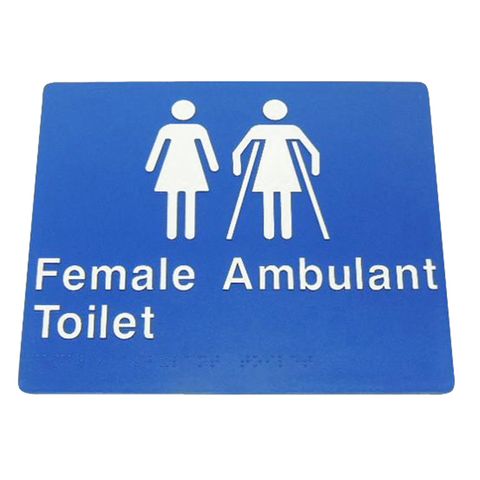
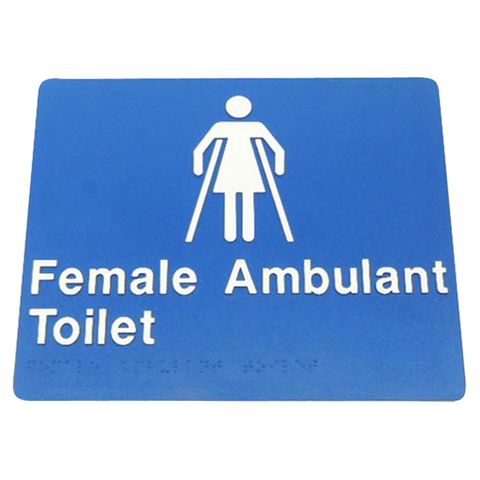
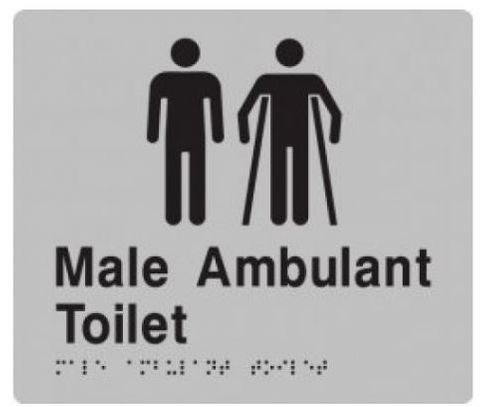
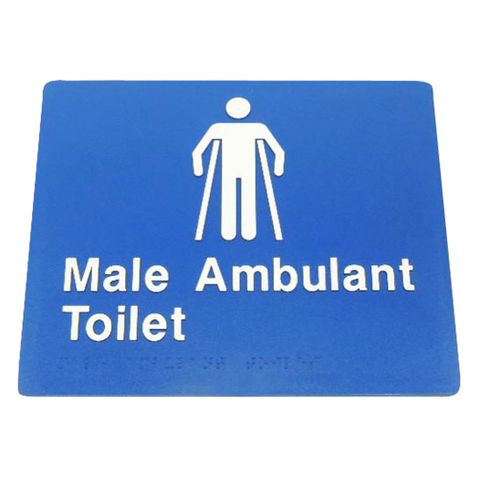
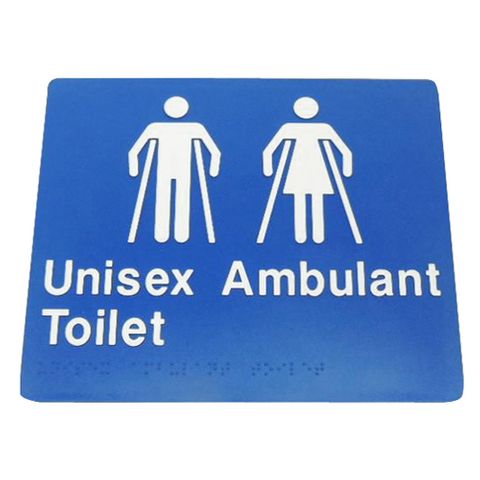
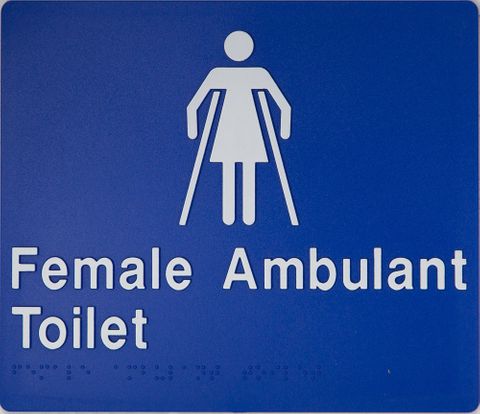
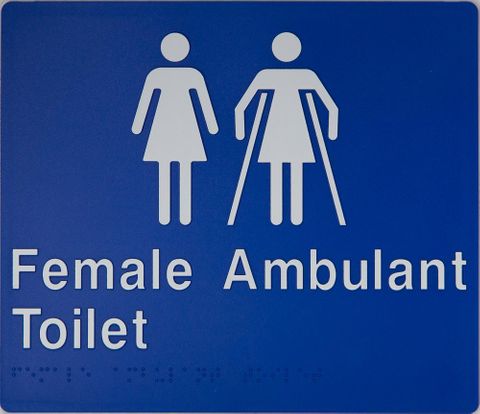
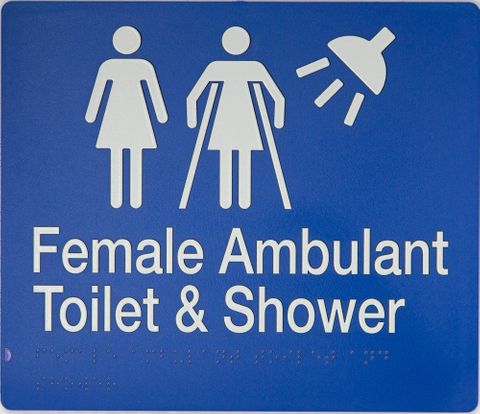
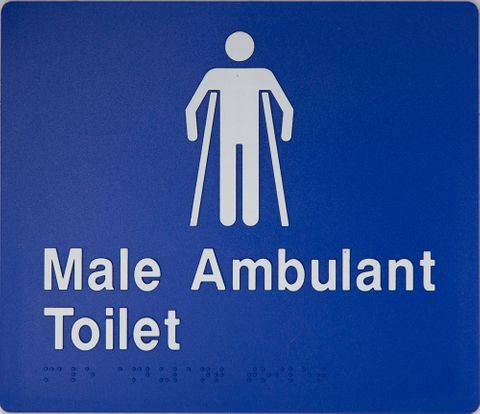
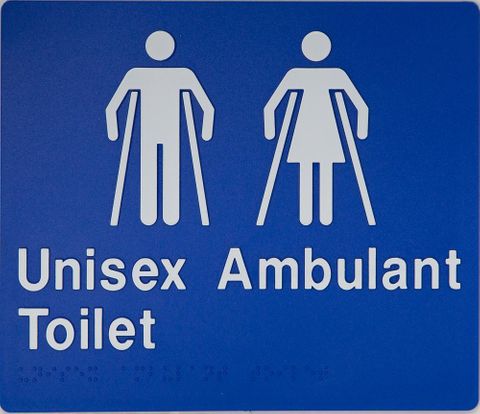
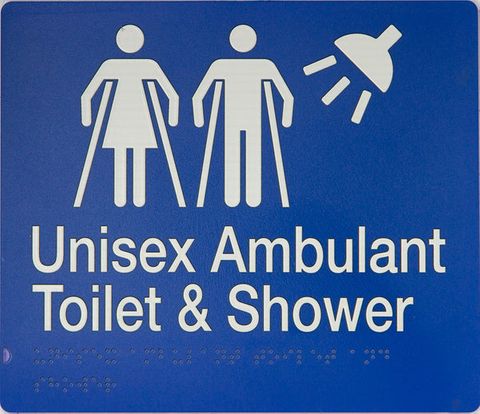
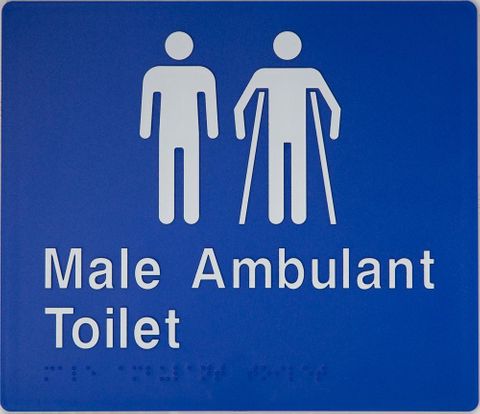
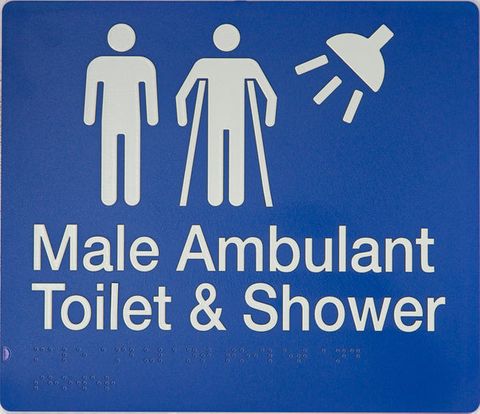
Ambulant toilet areas often require clear signage as part of the overall amenities design. Choosing signage that visually aligns with your hardware finishes and broader fitout style helps deliver a cohesive, professional result across the building.
How to Choose the Right Ambulant Toilet Hardware
Start with Function and Site Requirements
Confirm whether you need occupancy indication only, indication plus emergency release, or a specific lock/latch configuration. Ambulant toilet specifications can vary by building type and design intent, so matching the hardware function to the project requirement is the first step.
Match Components as a System
Indicator function, latch/lock case, strike, and handle should be selected together to ensure smooth operation. This is where sticking to proven architectural door hardware families can help—Lockwood and Dormakaba for dependable performance, and Zanda or Barben when the finish and design detail are a priority.
Consider Door Construction and Usage Cycle
Check door thickness, handing, and the likely traffic level. Public amenities and retail venues typically need higher-cycle hardware than low-traffic staff amenities. Choosing the right hinge/closer pairing and robust latching reduces long-term issues.
Finish Selection for Modern and Practical Outcomes
Matte black is a popular contemporary choice for premium fitouts, while stainless steel remains a go-to for durability and ease of maintenance. Brass-toned finishes can add warmth in design-led projects, particularly when matching other architectural door hardware across the building. Whatever you choose, consistency across indicator sets, handles, strikes and accessories makes the final result look intentional.
Local Supply: Brisbane, Queensland, New South Wales and Australia-Wide
John Barnes Group supports ambulant toilet door hardware selection and supply for projects in Brisbane and across Queensland, with strong capability for New South Wales fitouts and Australia-wide delivery. Whether you’re managing a single amenities upgrade or rolling out a standard hardware schedule across multiple sites, choosing from a coordinated range helps keep performance consistent, simplifies maintenance, and maintains a professional finish across every door opening.
Frequently Asked Questions
What is ambulant toilet door hardware?
Ambulant toilet door hardware refers to the hardware commonly specified for ambulant-access amenities, typically including occupancy indicator bolts or privacy sets, compatible latches/strikes, lever handles or pulls, hinges or pivots, and supporting accessories like door stops, plates and signage.
Do ambulant toilet doors need an engaged/vacant indicator?
In most commercial and public amenities, an engaged/vacant indicator is a practical standard because it improves user flow and reduces confusion. The exact requirement depends on the project specification, but indicator bolts are one of the most common ambulant toilet hardware selections.
What does “emergency release” mean on an ambulant toilet indicator?
Emergency release generally refers to a method of externally releasing the lock/indicator function so authorised staff can gain access during an incident. The mechanism and requirements vary by project, so it’s important to choose a compatible indicator/lock function that suits your site needs.
Can I use standard lever handles on an ambulant toilet door?
Often, yes—provided the lever set is compatible with the latch/indicator function and the door preparation. Many fitouts use durable commercial levers for ease of operation, then match the finish across the amenities for a cohesive look.
Do I need a door closer on an ambulant toilet door?
Not always, but closers are common in commercial settings where consistent closing and latching is important, or where you want to reduce slamming. Selecting a closer suited to the door size and traffic level improves long-term performance.
Which finishes work best in amenities areas?
Stainless steel is popular for durability and ease of cleaning, while matte black is widely used in modern, contemporary fitouts. Brass-toned finishes can suit premium interiors where you’re coordinating with other architectural door hardware throughout the space.
Which brands are commonly used for ambulant toilet door hardware?
Lockwood and Dormakaba are frequently specified for dependable commercial performance across latching, locking and door control. For design-led projects, Zanda and Barben can provide premium handle and accessory options that help keep the amenities finish consistent with the rest of the fitout.
How do I ensure all the parts work together?
Select the indicator/lock function, latch/lock case, strike/keep and handles as a matched set, then confirm hinge/pivot suitability and any closer requirements. Treating the opening as a complete system is the simplest way to achieve smooth operation and reduce maintenance issues.
Why Choose John Barnes Group?
John Barnes Group helps you specify ambulant toilet door hardware as a complete, compatible system—so doors latch reliably, indicators read clearly, and finishes stay consistent across your project. With trusted commercial performance options from Dormakaba and Lockwood, plus design-forward ranges from Zanda and Barben, you can balance durability, usability and modern aesthetics. Based in Brisbane and supporting Queensland, New South Wales and Australia-wide delivery, we make it easier to source architectural door hardware that suits high-traffic amenities and long-term building maintenance.