Proprietary Smoke Door
-
$202.80 inc GSTPrice:$184.36 ex GST
-
$172.94 inc GSTPrice:$157.22 ex GST
-
$28.34 inc GSTPrice:$25.76 ex GST
-
$28.62 inc GSTPrice:$26.02 ex GST
-
$576.57 inc GSTPrice:$524.15 ex GST
-
$43.89 inc GSTPrice:$39.90 ex GST
-
$48.17 inc GSTPrice:$43.79 ex GST
-
$44.40 inc GSTPrice:$40.36 ex GST
-
$44.08 inc GSTPrice:$40.07 ex GST
-
$46.62 inc GSTPrice:$42.38 ex GST
-
$68.49 inc GSTPrice:$62.26 ex GST
-
$70.47 inc GSTPrice:$64.06 ex GST
-
$72.04 inc GSTPrice:$65.49 ex GST
-
$121.09 inc GSTPrice:$110.08 ex GST
-
$181.67 inc GSTPrice:$165.15 ex GST
-
$80.16 inc GSTPrice:$72.87 ex GST
-
$79.76 inc GSTPrice:$72.51 ex GST
-
$63.95 inc GSTPrice:$58.14 ex GST
-
$209.28 inc GSTPrice:$190.25 ex GST
-
$482.74 inc GSTPrice:$438.85 ex GST
-
$92.81 inc GSTPrice:$84.37 ex GST
-
$79.11 inc GSTPrice:$71.92 ex GST
-
$100.76 inc GSTPrice:$91.60 ex GST
-
$92.47 inc GSTPrice:$84.06 ex GST
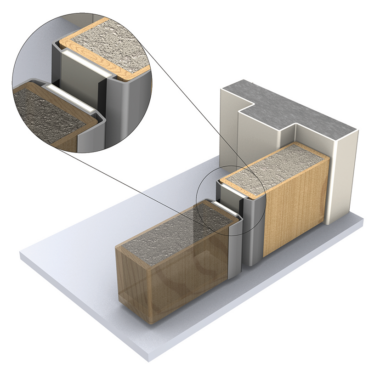
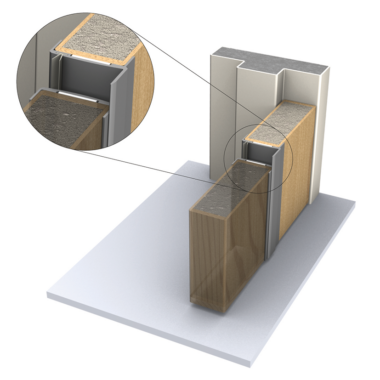
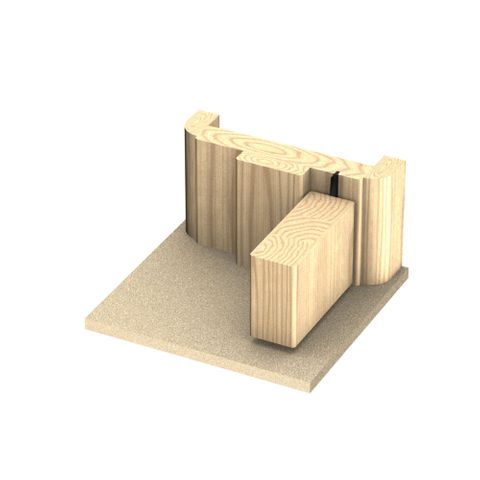
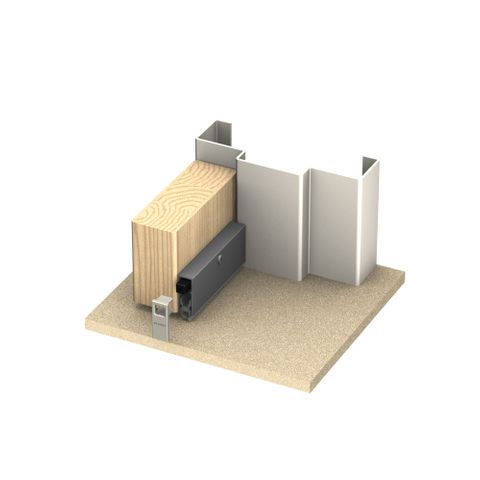
Proprietary Smoke Door Hardware
Proprietary smoke doors are used where controlling smoke movement is a priority—commonly in corridors, stairwells, plant rooms, fire-isolated paths, and other building areas where door performance, closing reliability and hardware compatibility matter. To perform as intended, these doors rely on a complete, correctly matched set of architectural door hardware: handles and pulls, locks and latches, cylinders (where keyed access is required), hinges or pivots, door closers, bolts, stops, strikes and plates, plus supporting accessories that keep the door operating consistently. At John Barnes Group, you can buy proprietary smoke door hardware online for residential and commercial projects across Brisbane, Queensland, New South Wales and Australia-wide.
Why the Right Hardware Matters on a Proprietary Smoke Door
Unlike general internal doors, proprietary smoke doors are typically part of a broader building performance strategy. Hardware selection isn’t just about aesthetics—every component affects how the door closes, latches, aligns, and resists wear over time. In high-traffic buildings, underspecified hardware can lead to doors not closing properly, poor latch engagement, excess noise, and premature maintenance. Choosing quality commercial-grade solutions helps keep doors operating smoothly and consistently, supporting the intent of the opening without constant adjustment.
Reliable Closing and Positive Latching
A door that doesn’t consistently return to a closed position can’t do its job. Closers, hinges/pivots, and latching hardware must work as a system so the door closes cleanly and latches without slamming. Dormakaba door control solutions are commonly selected where consistent closing performance and durability are essential, especially in busy commercial environments.
Durability for High-Traffic Environments
Proprietary smoke doors are often installed in areas with frequent use—apartment corridors, education facilities, healthcare, retail back-of-house, and office access points. Robust latches, secure locking options, and high-cycle hinges reduce downtime and help minimise call-backs. Lockwood hardware is a trusted choice for reliable locking and latching in demanding Australian commercial settings.
A Clean, Consistent Finish Across the Fitout
Even performance-driven doors should look cohesive. Modern projects frequently coordinate door hardware finishes across a site: matte black for contemporary interiors, stainless steel for durability, and warmer tones (including brass-look) where premium aesthetics are part of the design brief. Zanda and Barben ranges can support design-led outcomes while still aligning with practical, project-focused specification.
Complete Hardware Range for Proprietary Smoke Doors
Handles, Lever Sets and Pull Handles
The right handle choice depends on how the door is used and what access control is required. Lever handles are common where latch retraction is needed for day-to-day passage, while pull handles are often used on controlled-access doors with alternative latching or where a minimalist “push/pull” approach suits the design. For premium, contemporary projects, Zanda and Barben options can help match the wider interior language while maintaining a solid, commercial feel in hand.
Locks, Latches and Access Functions
Smoke doors may be specified with passage, privacy, restricted-access or keyed functions depending on location and building requirements. Selecting the correct lock or latch type ensures consistent engagement and a predictable user experience. In commercial buildings and multi-residential common areas, Lockwood solutions are frequently specified for dependable latch and lock performance, especially where long-term maintenance outcomes matter.
Cylinders and Keying (Where Required)
Where keyed access is specified, compatible cylinders and cylinder accessories become part of the complete opening. Consider the intended access method (keyed entry, restricted keying systems, or master keying arrangements) and ensure cylinder formats match the lock case and door prep. This approach supports consistency across multi-site facilities in Queensland, New South Wales, and Australia-wide portfolios.
Hinges and Pivot Systems
Hinges (or pivot systems where used) carry the door’s weight and influence alignment and closing effort. Selecting the correct hinge type and capacity helps prevent sagging, binding, and latch misalignment—issues that are magnified on doors expected to perform reliably over years of service. In high-traffic environments, hinge quality is a key contributor to ongoing door performance and reduced maintenance.
Door Closers and Door Control
Door closers are central to smoke door performance because they govern how reliably the door returns to the closed position. Correct closer selection supports smooth closing action, helps prevent slamming, improves latch engagement, and reduces impact stress on frames and hardware. Dormakaba closers are widely used in commercial projects where dependable control, adjustability and consistent closing cycles are required.
Bolts, Flush Bolts and Double Door Hardware
For pairs of doors, flush bolts and coordinating latching hardware help keep leaves aligned and stable. This is particularly useful where one leaf is inactive most of the time. Matching bolts, strikes and keeps properly helps doors close cleanly and reduces the likelihood of misalignment under repeated use.
Strikes, Plates, Keeps and Protection Hardware
Strikes and keeps are often overlooked, but they’re critical to clean latch engagement and long-term durability. Correctly matched strike plates help prevent latch wear and reduce rattling. For high-use openings, protective plates and impact-resistant accessories can also help preserve the door face and frame, improving both appearance and longevity in commercial corridors and service areas.
Door Stops, Hold-Open and Damage Prevention
Door stopping is essential to protect doors, walls, frames and adjacent hardware—particularly where glazing or painted surfaces are involved. Floor or wall stops can prevent handle impact damage, while appropriate hold-open strategies (where permitted and specified) can improve traffic flow in operational areas. In busy Brisbane fitouts and Queensland facilities, these small additions can significantly reduce ongoing maintenance costs.
Finishing Details: Seals and Thresholds (Minor, Where Relevant)
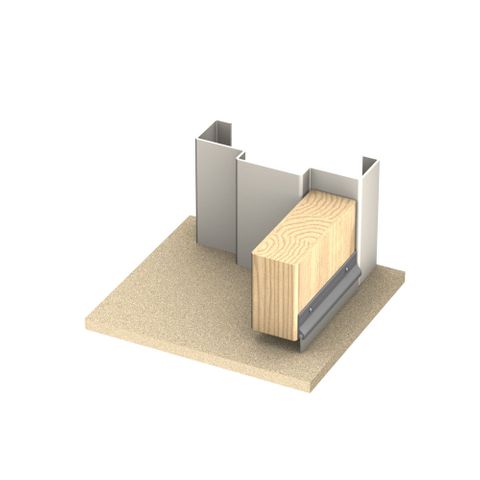
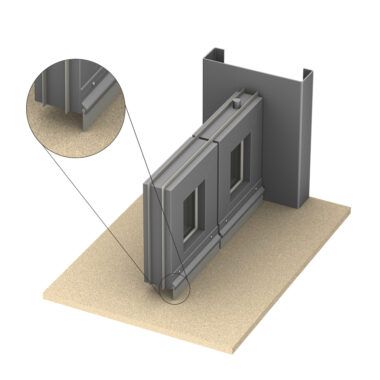
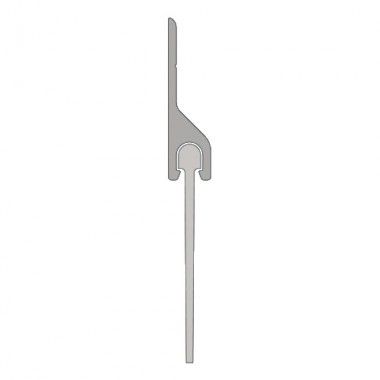
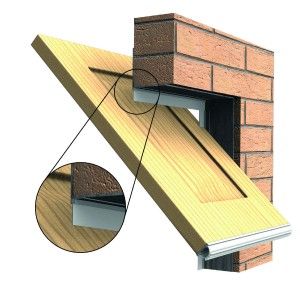
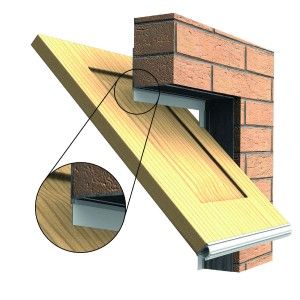
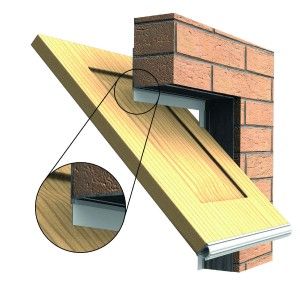
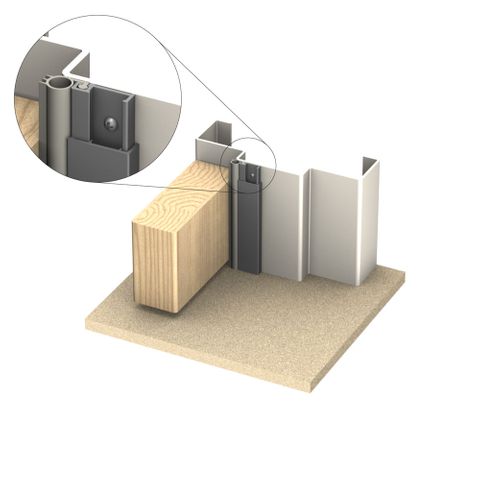
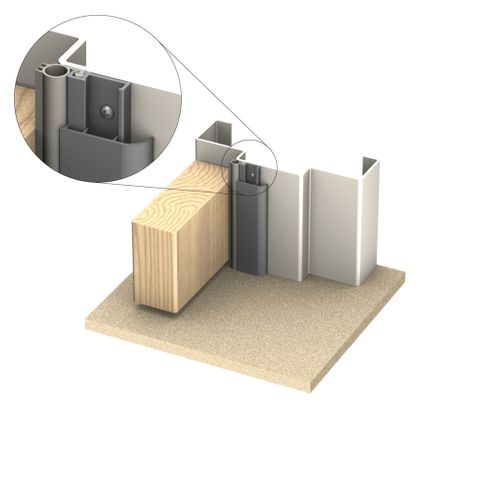
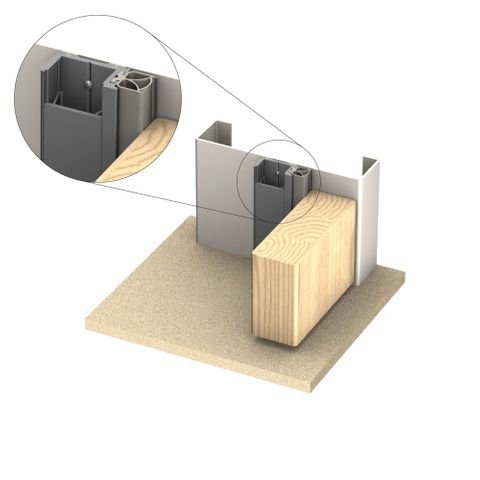
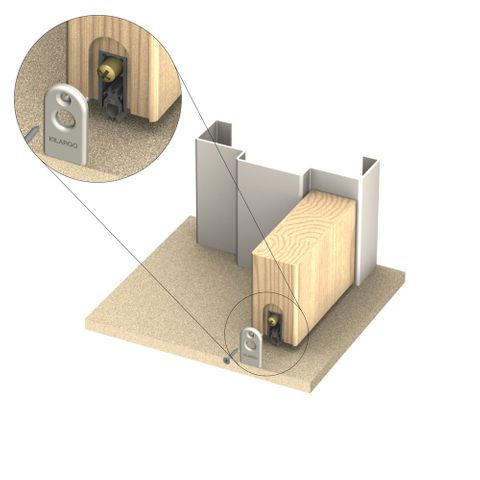
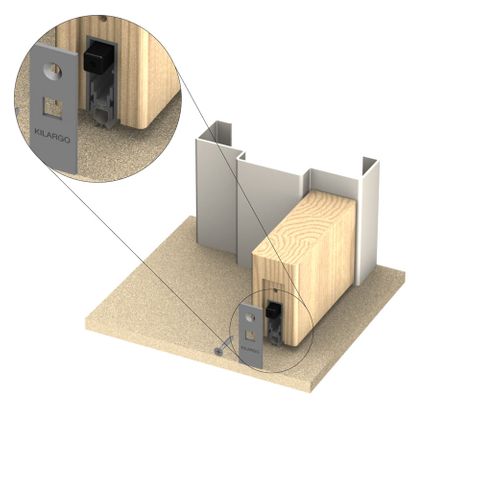
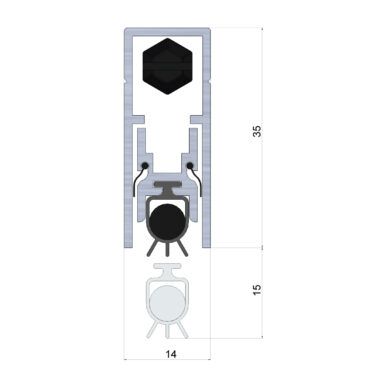
While this category focuses on the complete range of smoke door hardware, finishing details may be specified as part of the overall opening. Where required by the door and building design, perimeter details and threshold finishing components can support comfort outcomes (reducing draughts and noise) and help the doorway feel more refined. These elements should be selected to suit the door set and must not interfere with smooth closing and latching.
How to Choose the Right Proprietary Smoke Door Hardware
Start by defining the door’s role: internal corridor door, stairwell door, service area access, tenancy entry, or controlled-access opening. Then match hardware to the expected traffic level and access requirements. Doors in high-use commercial environments typically benefit from heavy-duty latching, robust hinges, and reliable door closers. Next, confirm the operating style (single, double, swing direction, hold-open needs where applicable), then select compatible handles and locking functions. Finally, coordinate finishes across your project so the door hardware looks consistent and intentional from space to space.
Residential and Commercial Considerations
In residential and multi-residential settings, the focus is often on quiet operation, clean design, and dependable locking—without adding complexity for everyday users. In commercial projects, durability, controlled closing, and maintenance-friendly standardisation are usually top priorities. Lockwood and Dormakaba ranges are commonly used to support these performance requirements, while Zanda and Barben options can lift the overall presentation in premium projects where design detail matters.
Finishes and Design Compatibility
Modern smoke door hardware doesn’t need to look “industrial” to perform well. Matte black is popular for contemporary interiors, stainless steel suits high-traffic and public-facing areas, and brass-look finishes can add warmth to premium spaces. The best results come from coordinating finishes across the full opening—handles/pulls, locks, cylinders (where visible), closers, and accessory plates—so the doorway feels cohesive and professionally specified.
Local Support in Brisbane, Queensland, New South Wales and Australia-Wide
From commercial fitouts in Brisbane to upgrades across Queensland, proprietary smoke doors are often part of larger projects that need consistent, repeatable hardware solutions. John Barnes Group supports New South Wales customers and ships Australia-wide, helping teams standardise hardware for multi-site portfolios, maintenance schedules, and staged construction programs. Whether you’re replacing components on an existing door set or specifying a complete new opening, choosing the right proprietary smoke door hardware helps improve reliability, user experience and long-term performance.
Frequently Asked Questions
What hardware is typically required for a proprietary smoke door?
Most proprietary smoke doors use a complete hardware set including handles/pulls, locks or latches (and cylinders where keyed), hinges or pivots, a door closer, strikes/plates/keeps, and supporting accessories such as stops and protection plates. The exact combination depends on access requirements, door configuration and building design.
Do proprietary smoke doors always need door closers?
Often, yes—because consistent return-to-close performance is a common requirement for these doors. A properly selected closer helps the door close smoothly, latch reliably, and reduces slamming and impact stress. Selection should suit the door size, traffic level and project requirements.
Can I use pull handles instead of lever handles?
In many applications, yes. Pull handles are common where access control or user flow suits a push/pull operation. If the door requires latch retraction by the user, a lever handle is typically more practical. The right choice depends on how the door is meant to function day to day.
Which locking options suit proprietary smoke doors?
It varies by location and access needs. Passage latches suit free-access internal doors, privacy functions suit specific internal rooms, and keyed or restricted access suits controlled entries. Robust options from Lockwood are widely used where reliability and durability are priorities.
What should I consider when selecting hinges or pivots?
Consider door weight, door size, frequency of use and desired feel. Correct capacity selection helps maintain alignment, reduces binding, and supports consistent latching. High-traffic doors benefit from quality hinges chosen for long-term durability.
Can I match proprietary smoke door hardware finishes to the rest of my project?
Yes. Many projects coordinate finishes such as matte black, stainless steel, or brass-look tones across their architectural door hardware. Zanda and Barben ranges can support design-led outcomes, while maintaining a consistent look across multiple door types.
Are seals and thresholds included in proprietary smoke door hardware?
They can be part of the overall door set where specified, but they’re usually considered finishing components rather than the core operating hardware. The main performance drivers are typically the closer, hinges/pivots, and latching/locking hardware that keep the door closing and engaging reliably.
Can I standardise smoke door hardware across multiple sites?
Yes. Standardising hardware simplifies maintenance, reduces replacement complexity, and keeps operation consistent for users and facilities teams. This is especially useful for organisations managing sites across Queensland, New South Wales and Australia-wide.
Why Choose John Barnes Group?
John Barnes Group helps you specify proprietary smoke door hardware as a complete, compatible system—so doors operate smoothly, close consistently and stay aligned under real-world use. With dependable performance ranges from Dormakaba and Lockwood, plus premium design options from Zanda and Barben, you can balance durability, function and finish across residential and commercial projects. Based in Brisbane and supporting Queensland, New South Wales and Australia-wide delivery, we make it easier to source architectural door hardware that suits your door type and your project standards.