
Sliding Window
-
$37.17 inc GSTPrice:$33.79 ex GST
-
$30.37 inc GSTPrice:$27.61 ex GST
-
$21.74 inc GSTPrice:$19.76 ex GST
-
$23.55 inc GSTPrice:$21.41 ex GST
-
$42.78 inc GSTPrice:$38.89 ex GST
-
$34.25 inc GSTPrice:$31.14 ex GST
-
$37.82 inc GSTPrice:$34.38 ex GST
-
$41.33 inc GSTPrice:$37.57 ex GST
-
$46.56 inc GSTPrice:$42.33 ex GST
-
$46.56 inc GSTPrice:$42.33 ex GST
-
$41.33 inc GSTPrice:$37.57 ex GST
-
$41.33 inc GSTPrice:$37.57 ex GST
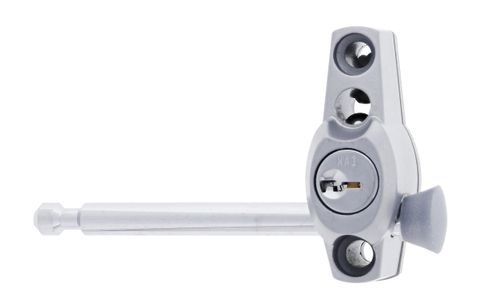
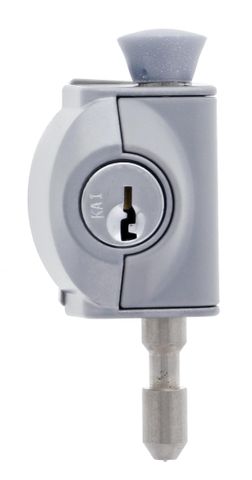
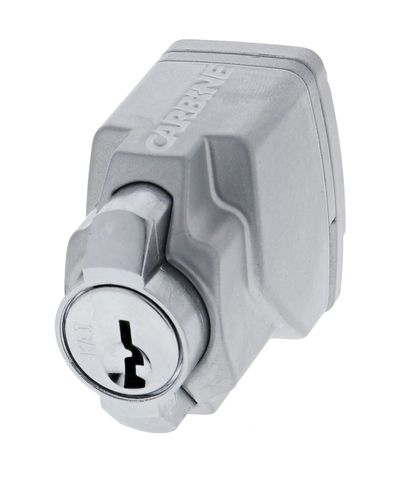
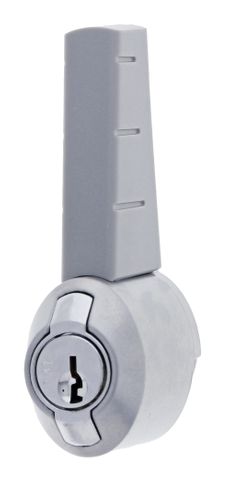
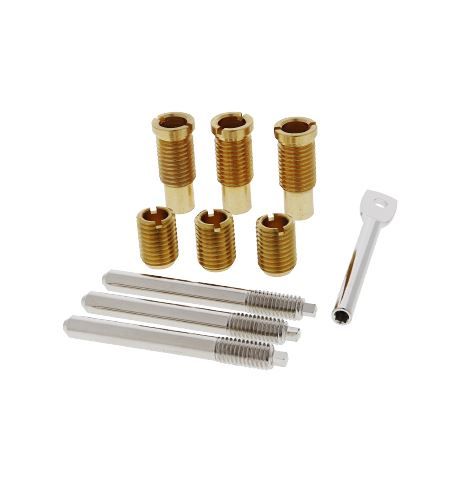
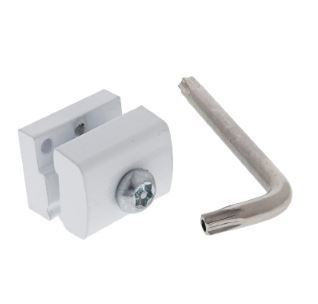
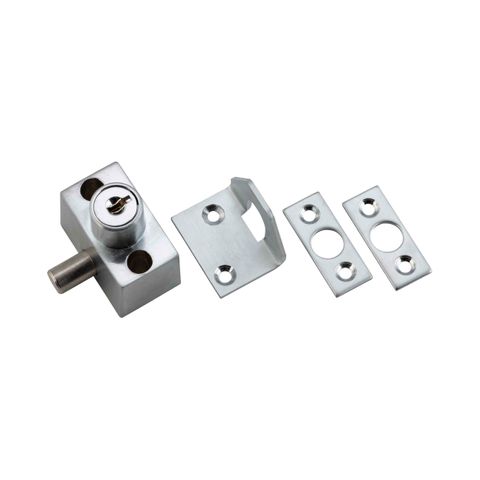
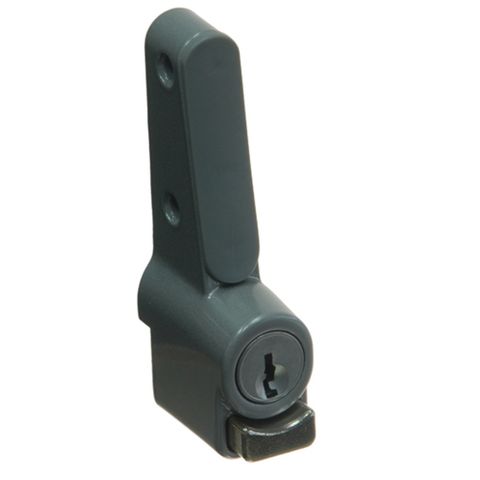
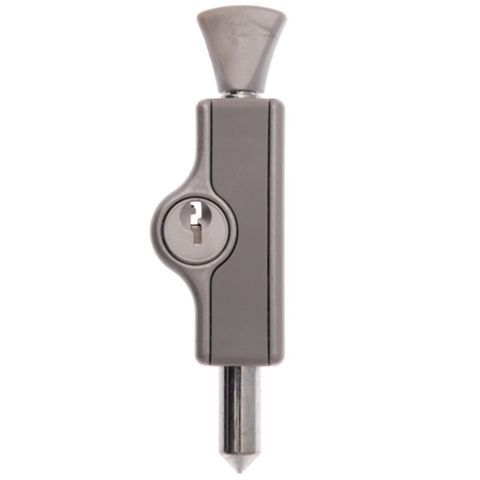
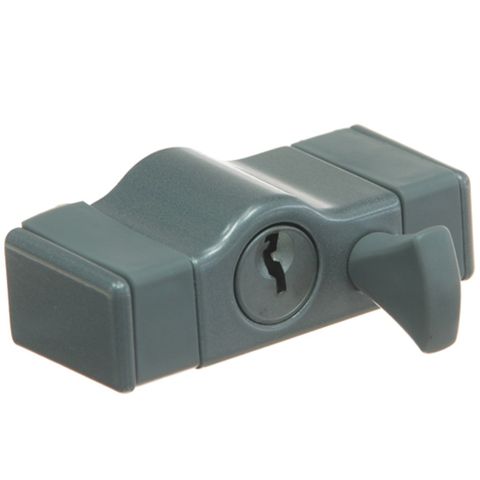
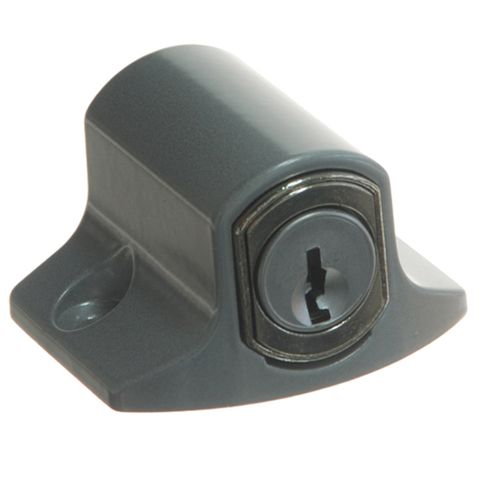
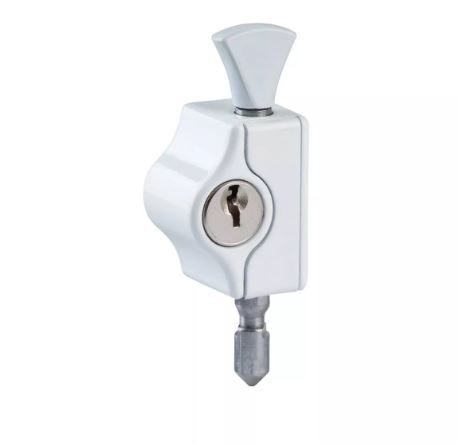
Sliding Window Hardware
Sliding windows are built for smooth movement, reliable security, and clean modern lines—whether you’re fitting out a new build, replacing worn parts, or upgrading security across a home or commercial site. The difference between a window that “just slides” and one that feels solid, secure and easy to use comes down to the right hardware: quality fasteners, locks, pulls, keeps, guides, rollers and accessories that suit the window’s frame style and daily traffic. At John Barnes Group, you can buy sliding window hardware online with options suited to sliding window applications across Brisbane, Queensland, New South Wales and Australia-wide.
Why the Right Sliding Window Hardware Matters
Sliding windows rely on alignment and consistent engagement between the sash and the frame. When hardware is mismatched or worn, you’ll notice it immediately: rattling panes, loose pulls, sticky movement, poor locking, or windows that don’t “pull in” to the frame. The right sliding window hardware improves everyday usability and helps protect the building envelope by keeping sashes seated properly when closed.
Smoother Operation, Less Wear
Correct pulls and guides make opening feel effortless, while properly selected rollers and track components reduce drag and help the sash glide without twisting. That means less force on the frame, less stress on fasteners, and fewer maintenance headaches over time—especially in high-use environments like offices, classrooms, retail back-of-house areas, and strata properties.
Better Security and Confidence
Sliding windows are only as secure as their locking points. Upgrading to reliable fasteners, key-lockable options, and compatible keeps/strikes can improve resistance to forced movement and reduce “wiggle” at the meeting stile. For many Australian homes and commercial sites, this is a simple way to lift security without changing the whole window.
What’s Included in Sliding Window Hardware
This door-type group covers hardware selected to suit sliding window applications. Depending on your window design, you may use a combination of fasteners and locks, pulls/handles, strike and keeper components, and movement hardware like guides and rollers. For projects where consistent finishes matter, many items are available in popular colour and metal looks such as matte black, stainless steel tones, and warm heritage-style finishes.
Window Fasteners and Sash Locks
Fasteners are the core “everyday” locking point for many sliding windows. Options range from simple non-keyed fasteners through to key-lockable fasteners for added security. The best choice depends on how the sash meets the frame, how much pull-in is required, and whether you want keyed control. In many residential and commercial upgrades, dependable locking choices from brands like Lockwood are selected when you want a stronger, more confidence-inspiring close.
Keyed Locks, Cylinders and Key Control
Where keyed security is required, you’ll typically choose a key-lockable window lock/fastener format rather than a door-style mortice lock. Some setups use integrated keying rather than separate cylinders, but the principle is the same: a consistent keying approach makes access control easier across multiple windows and sites. If you’re standardising a building across Queensland or New South Wales, selecting compatible keyed hardware can simplify future maintenance and replacements.
Handles, Pulls and Finger Grips
Sliding windows often use low-profile pulls, finger grips, or compact handles that won’t foul curtains, blinds or security screens. For a premium feel in modern interiors, look for pulls that sit neatly against the frame and feel comfortable under load. If you’re coordinating the look across a project, design-led hardware from Zanda and Barben can complement contemporary styling choices—particularly where you’re matching other architectural door hardware finishes throughout the home or tenancy.
Keeps, Strikes and Keeper Plates
Keeps and strike components are the “other half” of the locking system. If the keep is worn, misaligned, or mismatched to the fastener, you’ll get sloppy latching and inconsistent security. Replacing a keep/strike is often the quickest way to restore a satisfying, secure close—especially on older aluminium or timber-framed sliding windows where tolerances have shifted over time.
Rollers, Guides and Track-Related Accessories
While not every sliding window uses serviceable rollers in the same way, movement hardware is a common culprit when windows become difficult to operate. Guides help control sash travel and reduce rattle, while roller and track accessories support smoother sliding and better alignment. When specifying, consider sash weight, frequency of use, and whether the window sits in a coastal or high-dust environment.
Bolts, Auxiliary Locking and Venting Options
Some sliding window setups benefit from auxiliary locking points or venting/security positions, depending on the window design. These options can allow partial opening for airflow while maintaining a more controlled opening position. For residential and commercial sites where ventilation and security both matter, choosing the right secondary hardware can improve day-to-day comfort without sacrificing peace of mind.
Stops, Limiters and Opening Control
Stops and opening limiters help manage how far a sliding sash can open and can reduce impact damage in busy environments. In some applications, window opening control is also used to support child-safety outcomes or site policies (for example, where windows should not open fully). Selection should be based on the specific window design and any project requirements—keeping the solution practical, neat and durable.
Accessory Kits and Replacement Parts
For repairs and refurbishments, accessory kits can be a cost-effective way to refresh a window without chasing multiple small parts. These kits are commonly used by maintenance teams and installers to speed up replacements across multi-unit buildings, schools, and commercial facilities. Where available, choosing a like-for-like replacement format helps reduce downtime and ensures the hardware suits the existing prep.
Residential and Commercial Use Cases
Residential Sliding Windows
In homes and apartments, sliding window hardware is often upgraded for smoother operation and better security. Key-lockable fasteners, improved keeps, and comfortable pulls can make a noticeable difference—especially on front-facing windows, bedrooms, and ground-floor openings. Matching finishes (matte black, stainless steel tones, or warmer heritage looks) also helps keep the window hardware consistent with your door handles and other architectural door hardware choices.
Commercial Sliding Windows
For offices, healthcare, education and retail sites, sliding windows are frequently used in offices, transaction windows, staff areas, and operable glazing. Hardware here needs to handle higher use cycles and quicker interactions. Reliable locking, consistent latching, and durable pulls matter more than ever, and selecting proven hardware formats can reduce maintenance callouts long-term. Dormakaba and Lockwood solutions are commonly chosen across commercial environments where performance and dependability are priorities.
How to Choose the Right Sliding Window Hardware
If you’re looking to buy sliding window hardware online, the fastest way to narrow options is to identify the window frame type and the existing hardware format. Sliding window fasteners and locks come in different footprints and keep/strike pairings, so matching the style you already have (or choosing a compatible upgrade) is key.
Start with Function: Security, Ventilation, or Simple Latching
Decide whether you need basic latching, key-lockable security, or a solution that supports controlled ventilation. For many households and tenancy upgrades, moving from non-keyed to key-lockable hardware is the most straightforward lift in security. For commercial environments, consistent latching and robust keeps often deliver the biggest operational improvement.
Check Compatibility: Meeting Stile, Keep Position, and Handing
Look at where the fastener engages the frame and whether the sash meets at a central stile or closes into a jamb. Keep position and window “handing” can influence which hardware suits your window. If you’re replacing existing items, comparing hole spacing and the overall footprint helps avoid surprises and keeps installation simple.
Select Finishes to Match the Space
Sliding window hardware is often small, but it sits at eye level and gets handled frequently. Matte black is popular for contemporary interiors and modern aluminium framing, stainless steel tones suit durability-focused builds, and warmer finishes can complement classic homes and timber features. If you’re coordinating a whole project, consider matching window hardware to door hardware so the space feels intentional and premium.
Local Support: Brisbane, Queensland, New South Wales and Australia-Wide
From Brisbane projects and Queensland maintenance programs through to New South Wales fitouts and renovations, John Barnes Group supports customers who need dependable sliding window hardware that suits real Australian conditions. With Australia-wide shipping via our online store, it’s easy to standardise hardware across multi-site portfolios, strata buildings, and staged upgrades—while keeping finishes and function consistent across every opening.
Frequently Asked Questions
What hardware do I need for a sliding window?
Most sliding windows use a fastener or sash lock (sometimes key-lockable), a compatible keep/strike, and a pull or finger grip for operation. Depending on the window design, you may also use guides, rollers/track accessories, stops or opening limiters, and replacement accessory kits.
Can I upgrade my sliding window to a key-lockable option?
Often, yes. Many sliding window fasteners are available in key-lockable formats, provided the lock body and keep/strike are compatible with your window’s frame and sash arrangement. It’s a common upgrade for ground-floor windows and street-facing openings.
Why won’t my sliding window latch properly?
The most common causes are misaligned keeps/strikes, worn fasteners, or sash movement caused by guides/rollers needing adjustment or replacement. Replacing the keep and fastener as a matched set can often restore a clean, confident close.
Are door-style hinges, pivots or door closers used on sliding windows?
Typically no—sliding windows rely on guides, rollers and track movement rather than hinges or pivots, and they don’t use door closers. If you’re working with a sliding door (rather than a window), door closers and door hardware may be relevant, but for sliding windows the focus is on window-specific movement and locking hardware.
What finishes are available for sliding window hardware?
Common options include matte black, stainless steel tones, and a range of classic colour finishes depending on the product. Choosing a consistent finish across windows and doors can help create a more premium, cohesive look—especially in modern renovations and commercial fitouts.
How do I choose the right keep/strike for my sliding window lock?
The keep/strike must match the lock or fastener format and align with where the sash meets the frame. If the keep is worn or the wrong style, the window can feel loose or fail to secure properly. Matching the keep to the lock model (or replacing both together) is usually the safest approach.
Do I need window stops or opening limiters?
Stops and limiters can be useful where you want controlled opening, reduced impact, or more consistent ventilation positions. Requirements vary by site and application, so selection should suit the specific window design and any project needs for opening control.
Which brands are suitable for sliding window hardware?
Sliding window hardware commonly includes proven window-specific ranges, and many projects also align broader finish and performance choices with trusted names. Lockwood and Dormakaba are frequently specified where reliability matters, while Zanda and Barben can support a more design-coordinated look when matching window touchpoints with modern architectural door hardware throughout the space.
Why Choose John Barnes Group?
John Barnes Group makes it easy to source sliding window hardware that performs, lasts, and suits Australian residential and commercial needs. With dependable options that support secure latching, smooth operation and consistent finishes—backed by recognised names like Dormakaba and Lockwood, plus design-forward styling from Zanda and Barben—you can build a cohesive hardware solution across your project. From Brisbane to wider Queensland, through New South Wales and with Australia-wide delivery, we help you keep every opening functional, secure and professionally finished.