Anti-Ligature
-
$124.47 inc GSTPrice:$113.15 ex GST
-
$363.17 inc GSTPrice:$330.15 ex GST
-
$482.52 inc GSTPrice:$438.65 ex GST
-
$416.02 inc GSTPrice:$378.20 ex GST
-
$167.09 inc GSTPrice:$151.90 ex GST
-
$260.40 inc GSTPrice:$260.40 ex GST
-
SA72BP-001-60Stock Level:Available to Order$683.55 inc GSTPrice:$683.55 ex GST
-
$781.20 inc GSTPrice:$781.20 ex GST
-
$781.20 inc GSTPrice:$781.20 ex GST
-
SA72BP-006-AMBStock Level:Available to Order$390.60 inc GSTPrice:$390.60 ex GST
-
$1,953.00 inc GSTPrice:$1,953.00 ex GST
-
$235.29 inc GSTPrice:$213.90 ex GST
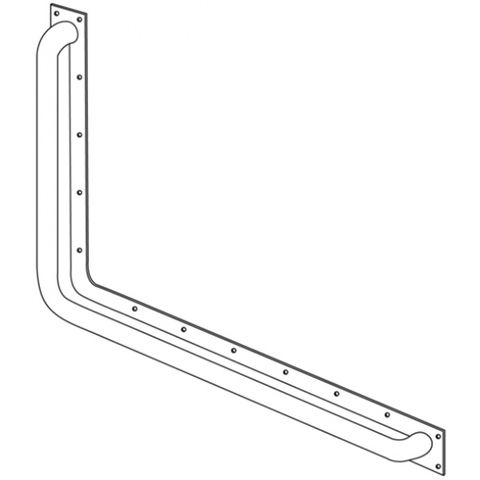
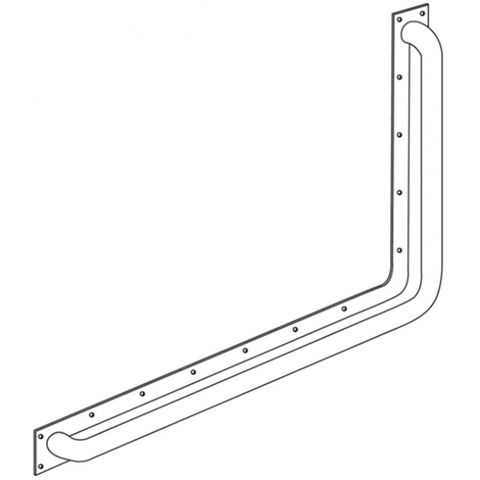
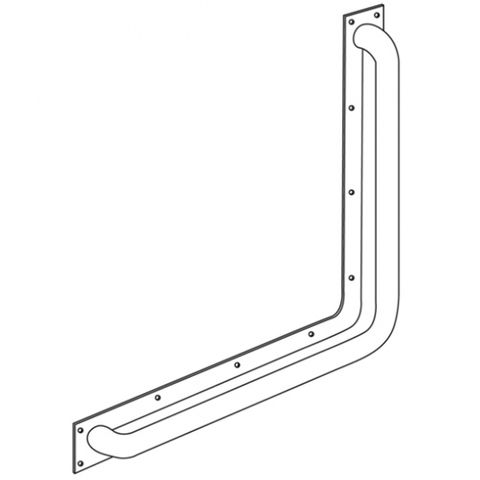
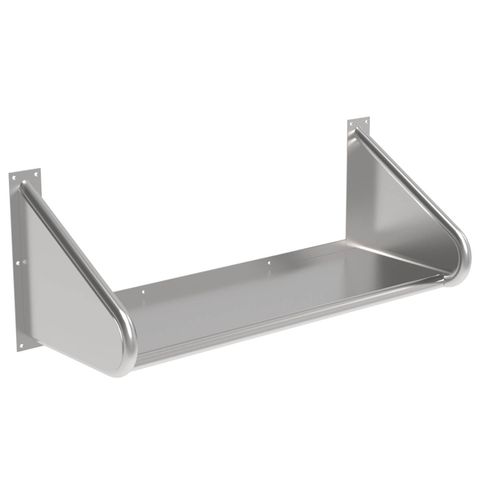
Anti-Ligature Door Hardware
Anti-ligature door hardware is designed for environments where reducing ligature attachment points is a core safety requirement. Commonly specified for mental health settings, secure health facilities, aged care, disability accommodation, education support spaces, and certain justice/corrections applications, anti-ligature solutions help minimise risk while still delivering reliable daily function. At John Barnes Group, you can buy anti-ligature door hardware online for projects across Brisbane, Queensland, New South Wales and Australia-wide, with a category that supports a complete opening solution—handles and pulls, locks and latches, cylinders (where required), hinges or pivots, door closers, bolts, stops, strikes/plates and practical accessories.
Key Benefits and Performance Outcomes
Anti-ligature hardware is not just “different shaped handles”. It’s a system approach to reducing protrusions and potential anchor points across the door opening. When specified correctly, it supports safer spaces, consistent staff workflows, and durable performance in high-use environments.
Reduced Ligature Points Without Sacrificing Usability
Anti-ligature designs typically use shaped profiles, minimal projection, smooth faces, and tamper-resistant detailing to help discourage attachment points. The aim is a safer interface that still feels intuitive for staff and occupants—particularly for internal doors, ensuite doors, and controlled access openings in residential and commercial facilities.
Durability for High-Traffic, High-Scrutiny Doors
These doors often experience frequent use and higher-than-average impact. Choosing hardware built for sustained cycles (and specifying it as a compatible set) helps maintain alignment, latching reliability and smoother operation over time—reducing maintenance and improving consistency across a site.
Better Consistency Across a Facility
Many sites have mixed-risk zones. Anti-ligature hardware can be used in higher-risk areas, while other architectural door hardware is used in standard areas. This is where a coordinated approach helps: you can keep a consistent look and feel across the building by aligning finishes and key functional choices across the whole project.
Where Anti-Ligature Hardware is Commonly Used
Mental Health and Behavioural Health Facilities
Anti-ligature hardware is frequently specified for bedrooms, ensuites, interview rooms, and staff-controlled access points where risk reduction is a priority. Selection typically focuses on minimising anchor points while maintaining safe egress, appropriate privacy, and reliable staff override where required.
Hospitals, Aged Care and Supported Living
In healthcare and care environments, hardware must balance safety with dignity and accessibility. Anti-ligature options may be used in specific rooms or wings, while other areas may use standard commercial-grade hardware. Coordinating function and finish across mixed applications helps reduce confusion and supports consistent operation for staff and contractors.
Education, Community and Specialist Accommodation
Anti-ligature solutions can be used in select rooms where risk management plans call for it—particularly where spaces are supervised or used for short-stay support. In these builds, durability, tamper resistance and a clean, modern appearance are common priorities.
What’s Included in a Complete Anti-Ligature Door Hardware Solution
Handles and Pulls
Anti-ligature handles and pulls are designed to reduce snag points and excessive projection. Depending on the door function, this may include shaped lever forms, low-projection pulls, or other risk-reduction designs suited to internal doors and controlled-access openings. In mixed-risk facilities, you may coordinate the broader aesthetic by selecting complementary architectural door hardware in lower-risk zones—often aligning finish families and proportions for a cohesive result.
Locks, Latches and Privacy Functions
Anti-ligature applications often require carefully chosen latch and lock functions: passage latching for general internal doors, privacy functions for ensuite or consult spaces, and staff-controlled access where needed. The key is selecting a function that supports supervision and safe access protocols, while still providing reliable daily operation. Where commercial-grade reliability is essential, broader ranges from trusted brands such as Dormakaba and Lockwood are commonly used across facilities, and can help standardise latching performance and servicing approaches across a portfolio.
Cylinders and Keying (Where Required)
Not every anti-ligature opening uses a cylinder, but where keyed access is required (for staff-only rooms, storage, or controlled areas), compatible cylinder formats and security planning become important. Selecting the right cylinder type for the lock case and the door environment helps maintain smooth operation, reduces keying complexity, and supports consistent site management—particularly for multi-site organisations across Queensland and New South Wales.
Hinges and Pivots
Door movement and stability matter more in anti-ligature environments because misalignment can compromise latching, increase wear, and create unwanted gaps. Hinges are typically chosen based on door mass, usage frequency and durability requirements. Where pivot systems are used for specific architectural intents, they should be selected to suit the door construction and expected cycles, with the overall goal of maintaining consistent, predictable door behaviour.
Door Closers and Controlled Closing
Controlled closing supports safer, quieter, more consistent outcomes—particularly in healthcare and supervised environments. A properly selected closer helps prevent slamming, improves latch engagement, and keeps the door returning to the intended position. In commercial and institutional settings, Dormakaba door control solutions are commonly specified to support reliable closing performance as part of the wider opening system.
Bolts, Flush Bolts and Special Functions
Where doors are paired or where certain rooms need secure holding in a closed position, bolt solutions may be required. In anti-ligature applications, the choice of bolt type and placement should be guided by the facility’s risk profile and operational needs. Double doors may also require coordinated hardware (such as flush bolts on the inactive leaf) to maintain alignment and stable operation.
Stops, Hold-Open and Protection Hardware
Stops and protective hardware help prevent door damage and protect adjacent glazing and walls—especially important in high-traffic spaces. In higher-risk zones, hold-open choices and placement should align with supervision requirements and the broader risk management approach. The overall aim is to protect the opening without introducing unnecessary protrusions.
Strikes, Plates, Signage and Accessories
Often, it’s the “small parts” that make an opening work reliably: correctly matched strikes and keeps, reinforcement plates where needed, neat escutcheons, and clear operational signage. For privacy and supervised access, indicator solutions and emergency access requirements may also be relevant (depending on the facility’s design brief). Selecting compatible accessories helps keep the door looking clean, modern and premium while supporting day-to-day practicality.
Finishing Details (Minor, Where Relevant)
In some projects, sealing or threshold details are included as minor finishing elements to improve comfort and reduce noise transfer—particularly in internal corridors or interview rooms. These should be selected to complement the primary anti-ligature hardware strategy and the overall door function, rather than driving the specification.
How to Choose the Right Anti-Ligature Hardware
Start with the room’s risk profile and operational requirements, then work outward to the whole opening. Consider who uses the door, how it’s supervised, what level of privacy is required, and whether staff override or controlled access is needed. Confirm the door type (front door vs internal, hinged vs pivot) and the door construction so the hardware selected is compatible with the frame, thickness and prep. From there, select a cohesive set: handle/pull + latch/lock + closer (if required) + hinges/pivots + strike/plates + stops and accessories. For mixed-use facilities, many projects pair anti-ligature solutions in higher-risk areas with broader architectural ranges elsewhere—using consistent finish cues to maintain a unified look, such as stainless steel for durability, or coordinated contemporary palettes where appropriate. Design-led hardware from Zanda and Barben can be a smart fit in standard-risk areas to keep the whole facility looking consistent and premium while still meeting the right functional intent by zone.
Finishes and Design Compatibility
Anti-ligature environments often favour robust, easy-to-clean finishes that hold up to frequent contact—stainless steel remains a common choice for durability and a clean architectural look. Matte black is popular in many modern commercial interiors and can be used where the design brief calls for it, while brass tones are often used selectively in premium, contemporary spaces outside of high-risk zones. The best results come from choosing a finish strategy that supports the facility’s maintenance reality and keeps touchpoints consistent across residential and commercial areas.
Local Support in Brisbane and Supply Australia-Wide
John Barnes Group supports anti-ligature hardware selection for projects in Brisbane and across Queensland, including institutional upgrades, new builds and staged refurbishments. We also supply New South Wales projects and ship Australia-wide, helping facilities standardise specifications across multiple sites. Whether you’re replacing a single internal door set or coordinating a whole facility’s door hardware schedule, this category supports complete opening solutions designed around safer design intent, durability and practical day-to-day operation.
Frequently Asked Questions
What does “anti-ligature” mean for door hardware?
Anti-ligature door hardware is designed to reduce potential attachment points by minimising protrusions and using shapes and details intended to discourage ligature anchoring. The right selection depends on the space’s risk profile and operational requirements.
Is anti-ligature hardware only for mental health facilities?
No. While it’s commonly used in mental health environments, anti-ligature hardware can also be specified in supported accommodation, certain healthcare areas, education support rooms, justice/corrections applications and other settings where risk reduction is part of the brief.
What hardware components should I include for a complete anti-ligature opening?
A typical complete set may include a suitable handle/pull, latch or lock function, compatible cylinders where keyed access is required, hinges or pivots, a door closer where controlled closing is needed, correct strikes/plates, and protection items like stops—plus any relevant accessories for the site’s operational needs.
Can I use standard commercial hardware in parts of the same facility?
Yes. Many facilities are zoned by risk level. Anti-ligature hardware may be used in higher-risk rooms, while standard commercial-grade architectural door hardware is used elsewhere. Coordinating finishes and “hand feel” helps keep the facility consistent for staff and users.
Do anti-ligature doors always need door closers?
Not always, but door closers are common in commercial and institutional settings to support controlled closing, reduce slamming, and improve reliable latching. Closer selection should match the door size, usage and operational intent.
What finishes are most common for anti-ligature door hardware?
Stainless steel is widely used for durability and ease of cleaning. Other finishes can be specified to suit the design brief, but it’s important to consider maintenance, visibility of wear and how the finish aligns with the broader facility palette.
How do I make sure anti-ligature hardware is compatible with my door and frame?
Confirm the door type (internal/external), construction, thickness and frame prep requirements, then select hardware designed to suit those parameters. Matching the handle/pull to the correct latch/lock function and strike is essential for smooth, consistent operation.
Can I standardise anti-ligature hardware across Brisbane, Queensland and New South Wales sites?
Yes. Standardising hardware simplifies maintenance, reduces spare part complexity, and helps create consistent user experience across multiple facilities. It’s especially helpful for organisations managing portfolios across Queensland, New South Wales and Australia-wide.
Why Choose John Barnes Group?
John Barnes Group helps you specify complete door hardware solutions for anti-ligature applications—balancing safer design intent with durable, day-to-day performance. With trusted architectural hardware ecosystems often used across commercial facilities (including Dormakaba and Lockwood) and premium design-led options from Zanda and Barben for standard-risk areas, you can coordinate function and finish across entire sites. Based in Brisbane and servicing Queensland, New South Wales and Australia-wide delivery, we support consistent specifications for new builds, refurbishments and multi-site rollouts.