Sliding Door
-
$83.92 inc GSTPrice:$76.29 ex GST
-
LW914UBLKStock Level:Available to Order$125.36 inc GSTPrice:$113.96 ex GST
-
$468.28 inc GSTPrice:$425.71 ex GST
-
OBF80-20PBStock Level:Available to Order$287.52 inc GSTPrice:$261.38 ex GST
-
$530.26 inc GSTPrice:$482.05 ex GST
-
OBF80-25PBStock Level:Available to Order$349.47 inc GSTPrice:$317.70 ex GST
-
$43.10 inc GSTPrice:$39.18 ex GST
-
$42.00 inc GSTPrice:$38.18 ex GST
-
$29.73 inc GSTPrice:$27.03 ex GST
-
$40.95 inc GSTPrice:$37.23 ex GST
-
$94.12 inc GSTPrice:$85.56 ex GST
-
$82.16 inc GSTPrice:$74.69 ex GST
-
$96.62 inc GSTPrice:$87.84 ex GST
-
$105.52 inc GSTPrice:$95.93 ex GST
-
$70.76 inc GSTPrice:$64.33 ex GST
-
$29.51 inc GSTPrice:$26.83 ex GST
-
$420.39 inc GSTPrice:$382.17 ex GST
-
$220.41 inc GSTPrice:$200.37 ex GST
-
TRA21411PStock Level:Available to Order$382.07 inc GSTPrice:$347.34 ex GST
-
$224.65 inc GSTPrice:$204.23 ex GST
-
$15.74 inc GSTPrice:$14.31 ex GST
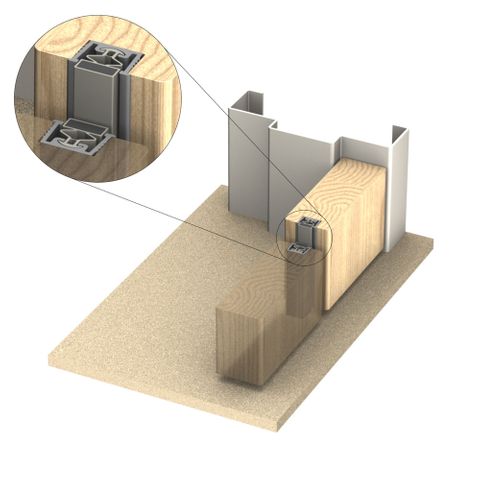
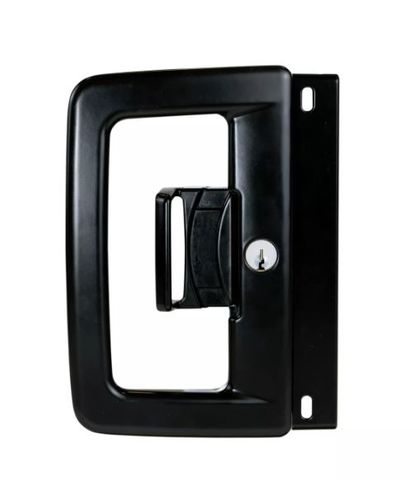
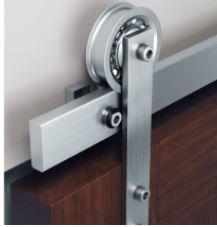
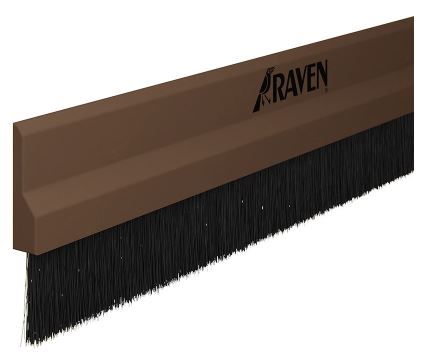
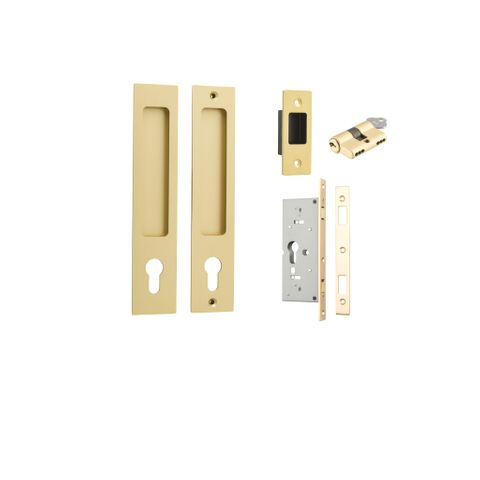
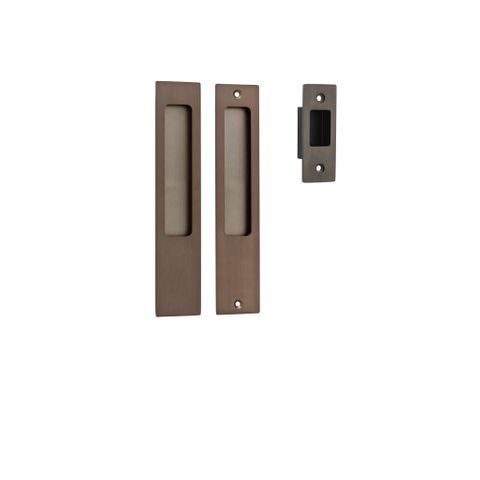
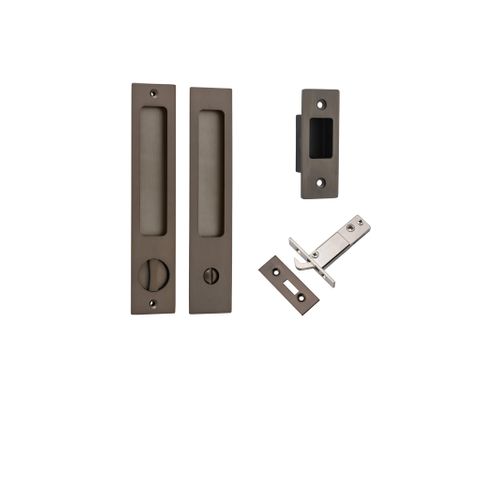
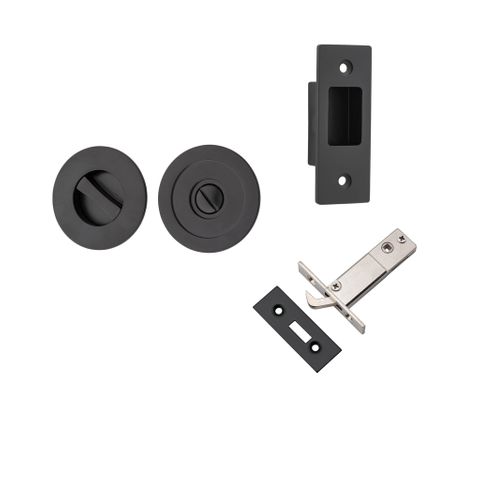
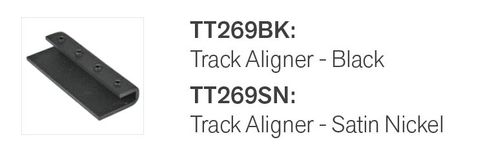
Sliding Door Hardware
Sliding doors are one of the smartest ways to save space and create clean, modern transitions between rooms—whether you’re fitting out a contemporary home, upgrading an apartment, or specifying a commercial tenancy. The difference between a sliding door that “looks good” and one that feels premium comes down to the hardware: how smoothly it glides, how comfortably it’s operated, how securely it locks, and how neatly it finishes. At John Barnes Group you can buy sliding door hardware online with a broad selection of architectural door hardware designed for sliding door applications across Australia, including Brisbane, Queensland and New South Wales projects.
Why Quality Sliding Door Hardware Matters
Sliding doors rely on a system rather than a single component. When the track and rollers are well matched, the door feels light and stable. When the handle, flush pull and latch are correctly selected, the door is intuitive to use and sits flush as intended. And when locking, strikes and guides are compatible, the door closes cleanly without rattling, rubbing or misalignment. In busy residential and commercial settings, this system approach reduces call-backs, extends service life, and delivers a more refined day-to-day experience.
Space Saving, Clean Lines, Better Flow
Unlike hinged doors, sliding doors don’t need a swing arc, making them ideal for tight hallways, compact bathrooms, ensuites, laundries, office meeting rooms and apartment layouts. With the right flush pulls, edge pulls and privacy hardware, you can keep the aesthetic minimal while maintaining ease of use.
Comfortable Operation in High-Traffic Areas
For retail, hospitality, education and workplace fitouts, sliding doors can manage movement efficiently—especially where a hinged door would conflict with foot traffic. Premium rollers, guides and soft-close solutions help doors move quietly and predictably. In commercial projects, you’ll often see dependable systems paired with proven locking solutions from brands like Lockwood, and door control options from Dormakaba where controlled closing and consistent performance are important.
Popular Sliding Door Applications
Internal Cavity Sliders
Cavity sliding doors are a favourite in modern Australian homes and apartments because they disappear into the wall line for a seamless finish. Hardware selection typically focuses on flush pulls, edge pulls, privacy latches, and smooth-running track and roller sets. Finishes like matte black, stainless steel and brass-toned options help match other door furniture throughout the home.
Surface-Mount Sliders
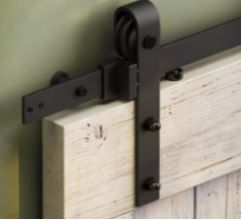
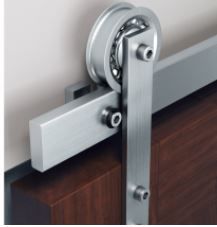
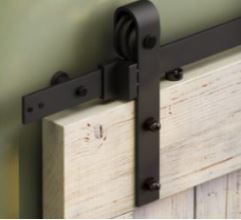
Surface-mount sliding doors (including contemporary “barn style” looks) make a design statement and can be easier to retrofit than cavity sliders. These doors usually use pull handles, guides, door stops, and track systems designed to keep the door stable along the wall. When the styling matters as much as the function, design-led hardware from Zanda and Barben can elevate the look while keeping operation comfortable.
Commercial Sliding Doors and Partitions
Offices and commercial interiors often use sliding doors to create flexible spaces—meeting rooms, clinics, boardrooms and back-of-house areas. Here, the priority is durability and repeatable performance: smooth rollers, reliable latching, neat strikes and keeps, and optional soft-close or hold-open control. Lockwood hardware is commonly specified where robust latching and security is required, while Dormakaba options can support door control and consistent closing behaviour in higher-use environments.
What’s Included in Sliding Door Hardware
Handles, Pulls, Flush Pulls & Edge Pulls
Sliding doors are typically operated with flush pulls to keep the face of the door clear and prevent snagging, especially on cavity sliders. Edge pulls (sometimes called end pulls) make it easy to “extract” the door from a pocket. For surface sliders and feature doors, pull handles and architectural pulls add presence and improve grip. To maintain a cohesive look across a project, many customers coordinate sliding door pulls with other architectural door hardware in matching finishes like matte black, stainless steel, satin nickel or brass tones.
Sliding Door Locks, Latches & Privacy Functions
Sliding doors can be configured for passage (no locking), privacy (bathrooms, bedrooms, consult rooms), or keyed security (where controlled access is needed). Sliding door locksets often use hook-bolt or mortice-style mechanisms designed to pull the door into the jamb and reduce rattling. For projects that need dependable performance, Lockwood is a common choice for robust locking and latching, while complementary solutions across Dormakaba ranges are often specified in commercial environments where reliability is critical.
Cylinders & Keying (Where Required)
Where a keyed function applies, compatible cylinders and trims become part of the specification. This is particularly relevant for commercial sliding doors, secure internal rooms, or entries where restricted access is required. Selecting the right cylinder format and matching it to the lock body and door preparation helps maintain smooth operation and consistent security across single doors or multi-site fitouts.
Tracks, Rollers, Guides & Soft-Close Control
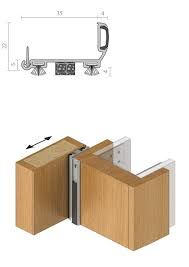
Although many people start with the handle, the “feel” of a sliding door is driven by the rolling system. A quality track and roller set improves glide, reduces noise, and supports door stability. Floor guides and bottom channels help prevent sway. Soft-close and self-close options can add a premium touch and reduce impact at the end of travel—particularly helpful in family homes and high-traffic commercial spaces in Brisbane, Queensland and New South Wales.
Door Closers and Control for Sliding Doors
Sliding doors don’t use traditional overhead closers like hinged doors, but they can still benefit from controlled closing. Soft-close mechanisms, sliding door closer systems and damper solutions can help doors return smoothly and reduce slamming. In commercial settings where door behaviour needs to be consistent, door control solutions aligned with Dormakaba-style performance expectations are often part of the broader specification strategy.
Bolts, Flush Bolts & Double Sliding Door Hardware
For paired sliding doors or configurations with an inactive panel, bolts and flush bolts can help secure one leaf while the other operates normally. These components are also useful where you want a clean look with discreet security. Correct strike alignment and compatible keeps are important to ensure the bolt engages cleanly without forcing.
Stops, Buffers, Guides & Protection Accessories
Stops and buffers protect doors and frames from impact at the end of travel, while guides keep the door tracking straight. In commercial fitouts and busy households, these small components prevent damage, reduce noise and help the door maintain alignment over time. Good accessory selection is often what turns a standard slider into a premium-feeling system.
Strikes, Keeper Plates, Edge Plates & Finishing Details
Strikes and keeper plates are essential for sliding locks and latches—especially hook-bolt styles that rely on precise engagement. Edge plates and pull kits provide a neat, durable finish and can help unify the look across different door types in a project. Finishing details should support the door’s function without adding visual clutter.
Hinges and Pivots (When Are They Relevant?)
Most sliding doors do not use hinges or pivots because the door travels along a track. However, some projects combine sliding elements with pivoting or folding components (for example, specialty partition systems or hybrid designs). Where a project includes both sliding and hinged/pivot doors, coordinating finishes and compatible hardware ranges can help keep the overall fitout consistent—this is where selecting within cohesive collections (including Zanda and Barben for design continuity) can be especially helpful.
How to Choose the Right Sliding Door Hardware
Start With Door Type and Function
Is it a cavity slider or surface slider? Internal or external? Residential or commercial? This determines whether you need flush pulls and edge pulls, a privacy lock, keyed security, or a more robust commercial lockset. For heavy-use doors, focus on durable track and roller solutions, reliable latching, and protective stops and guides.
Match the Hardware to the Door Thickness and Prep
Sliding door hardware is often more dependent on correct preparation than hinged hardware. Ensure your lock and pull selections suit the door thickness and the style of edge plate required. For commercial projects, consistent hardware prep across multiple doors can simplify installation and long-term maintenance.
Choose Finishes That Suit the Space
Matte black sliding door hardware is popular for modern, contemporary interiors and commercial fitouts. Stainless steel suits high-traffic durability and clean architectural styling. Brass tones can add warmth and a premium feel, particularly in residential projects where you’re coordinating with tapware, lighting and other design elements. Choosing one finish family across the site helps sliding doors feel intentional rather than “added later”.
Local Support: Brisbane, Queensland, New South Wales & Australia-Wide
John Barnes Group supports sliding door hardware selection for projects in Brisbane and across Queensland, from apartment upgrades and new homes to commercial fitouts and maintenance programs. We also supply customers throughout New South Wales and ship Australia-wide, making it easier to standardise hardware across multi-site portfolios. Whether you’re specifying a premium internal cavity slider, a high-use commercial partition door, or a modern surface-mount sliding door feature, you’ll find sliding door hardware Australia-wide that’s designed for performance, finish coordination and long-term reliability.
Frequently Asked Questions
What hardware do I need for a sliding door?
Most sliding doors use a track and roller system, a guide, and door furniture such as flush pulls or pull handles. Depending on function, you may also need a passage latch, privacy lock, or keyed lock with compatible strikes and plates. Accessories like stops and buffers help protect the door and improve the closing feel.
What’s the difference between cavity sliding door hardware and surface sliding door hardware?
Cavity sliders typically use flush pulls and edge pulls so the door can slide fully into the pocket, along with privacy or passage hardware as needed. Surface sliders often use pull handles and visible track systems, plus guides and stops to keep the door stable and protect adjacent walls.
Can sliding doors be locked for privacy or security?
Yes. Sliding doors can use privacy functions for bathrooms and bedrooms, or keyed locking where controlled access is required. Many sliding locks use hook-bolt style mechanisms designed to draw the door into the jamb for a more secure, stable close.
Do sliding doors use door closers?
Sliding doors don’t usually use standard hinged door closers, but they can use soft-close or sliding closer/damper systems that control the final part of travel. These options can reduce slamming and create a smoother, more premium user experience, especially in busy homes and commercial settings.
Are hinges or pivots used on sliding doors?
Generally no—sliding doors move along a track rather than swinging on hinges or pivots. Hinges and pivots may be relevant only in specialty designs that combine sliding elements with hinged or pivoting panels as part of a broader partition system.
What finishes are popular for sliding door hardware?
Matte black is a top choice for modern and contemporary interiors. Stainless steel is popular for commercial durability and clean architectural styling. Brass tones are often selected for premium residential design where you want warmth and contrast against timber, stone and neutral palettes.
Which brands are commonly used for sliding door hardware?
Lockwood is widely specified for dependable locking and latching solutions, particularly in commercial environments. Dormakaba is commonly associated with reliable door control and commercial performance needs. For design-forward pulls and coordinated finishes, Zanda and Barben offer premium options that complement modern architectural spaces.
How do I choose sliding door hardware for residential vs commercial use?
Residential projects often prioritise style, quiet operation and privacy functions, while commercial projects prioritise durability, consistent latching, and hardware that performs under frequent use. In commercial fitouts, it’s also common to standardise hardware for easier maintenance across multiple doors or sites.
Why Choose John Barnes Group?
John Barnes Group helps you specify sliding door hardware that feels right in real use—smooth travel, reliable latching, and cohesive finishes across the whole opening. With trusted performance options from Dormakaba and Lockwood, plus premium design choices from Zanda and Barben, you can build a complete sliding door solution for residential and commercial spaces. Based in Brisbane and supporting Queensland, New South Wales and Australia-wide delivery, we make it easier to source architectural door hardware that suits modern Australian projects.