Rebated Frame
-
$193.14 inc GSTPrice:$175.58 ex GST
-
$34.85 inc GSTPrice:$31.68 ex GST
-
$35.18 inc GSTPrice:$31.98 ex GST
-
$478.97 inc GSTPrice:$435.43 ex GST
-
$30.17 inc GSTPrice:$27.43 ex GST
-
$106.21 inc GSTPrice:$96.55 ex GST
-
$226.08 inc GSTPrice:$205.53 ex GST
-
$480.18 inc GSTPrice:$436.53 ex GST
-
$189.66 inc GSTPrice:$172.42 ex GST
-
$125.36 inc GSTPrice:$113.96 ex GST
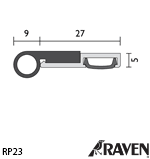
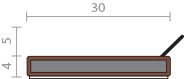
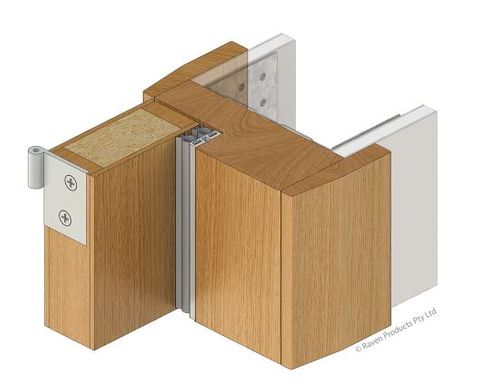
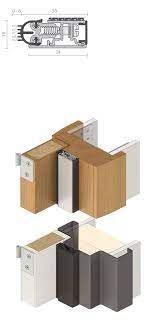
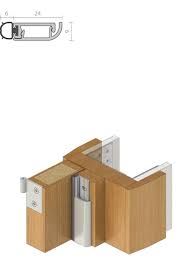
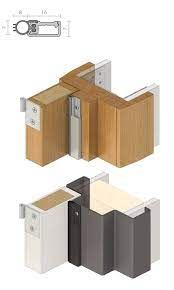
Rebated Frame Door Hardware
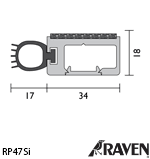
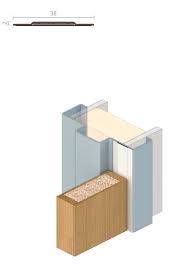
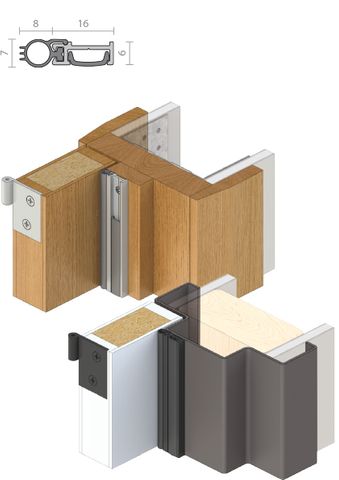
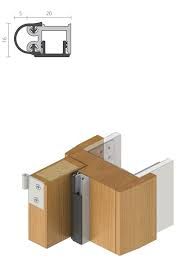
A rebated frame is designed with a stepped “rebate” (a lip/return) that the door closes into, creating a cleaner junction, improved alignment and a more controlled closing line. You’ll see rebated frames across residential and commercial projects—front door entries, internal doorways, double doors and high-traffic openings—because they help doors feel more secure, sit neatly in the frame and reduce rattling. The key is choosing door hardware that suits the rebate geometry so everything works together: handles and pulls, locks and latches, cylinders, hinges or pivots, door closers, bolts, stops, strikes/plates and the accessories that make rebated openings close cleanly. If you’re looking to buy rebated frame door hardware online, this category is focused on the hardware choices that suit rebated frames across Australia.
Why Rebated Frames Change the Hardware Selection
Rebated frames can improve the “feel” and performance of an opening, but they also introduce specific clearance and alignment considerations—especially at the latch side and on double door meeting stiles. The rebate can affect how a latch tongue enters the strike, where the strike plate sits, and how the door seals into the frame. That means the right strike/keep configuration, compatible lock and latch formats, and correctly set hinges/closers are essential for smooth operation.
Better Closing, Cleaner Lines, Stronger Performance
When specified correctly, rebated frame hardware helps deliver a premium, architectural result: doors close with a confident engagement, hardware sits flush and tidy, and the opening looks intentional. This is especially valuable in modern builds and commercial fitouts where minimal gaps and consistent alignment are part of the design language.
Common Applications for Rebated Frame Hardware
Front Door and External Entries
Rebated frames are common on external doors where security and stability matter. For these openings, hardware selection often centres on robust locking, compatible cylinders, and a dependable latch-to-strike interaction that isn’t fussy. Lockwood locking solutions are frequently chosen for strength and everyday reliability, while Dormakaba options are often specified where commercial-grade performance and door control are important.
Internal Doors in Homes and Multi-Residential
Internal rebated frames show up in quality residential builds and apartments where the aim is quieter closing and better alignment. Here, you’ll often see passage or privacy latching with lever furniture that matches the interior style. For a premium, contemporary look, Zanda and Barben ranges can help coordinate levers, roses, pulls and accessory hardware in popular finishes like matte black, stainless steel and warm metallic tones.
Commercial Fitouts and High-Traffic Openings
In Brisbane offices, Queensland education and healthcare sites, and busy New South Wales retail or hospitality venues, rebated frames are valued for consistent closure and durability. High-cycle hardware—locks/latches, closers, hinges and protection accessories—keeps doors operating smoothly under heavy daily use and helps reduce maintenance call-backs caused by misalignment, slamming or strike wear.
Complete Hardware Range for Rebated Frames
Handles, Levers and Pull Handles
Start with the user touchpoint. Lever handles are popular where a latch is being operated frequently (internal doors, office suites, amenities), while pull handles are common on feature entries, glass or aluminium doors, and commercial openings where a clean, minimal look is preferred. The main consideration with rebated frames is ensuring the handle/lever setup suits the lock or latch format and provides comfortable clearance from any frame returns or door stops. Coordinating finishes across the project—matte black for modern, stainless steel for durability, brass tones for warmth—helps maintain a cohesive architectural door hardware story.
Locks, Latches and Privacy Hardware
Rebated frames don’t change the need for the right function, but they can influence the details of how the latch engages. Passage latches suit internal access, privacy functions suit bathrooms and consultation rooms, and keyed locks suit front door and controlled-access applications. The priority is a lock/latch that engages cleanly into the strike without binding against the rebate, with enough adjustment tolerance to handle real-world installation variations. Lockwood is a common choice for dependable latching and locking where longevity matters, and Dormakaba solutions are frequently used in commercial environments where consistency and performance are critical.
Cylinders and Keying Options
Where keyed access is required, cylinders and cylinder accessories complete the locking solution. For commercial and multi-site projects, keying convenience and standardisation often drive selection. The practical goal is simple: smooth key operation, correct compatibility with the chosen lock case, and tidy integration with escutcheons or roses—especially important on premium rebated frame entries where presentation matters.
Strikes, Keeps, Plates and Rebated Compatibility
Strikes and keeps are where rebated frames most obviously change the conversation. The strike must match the latch/bolt path and sit correctly relative to the rebate so the door doesn’t “fight” the frame on closing. Depending on the door setup, you may require specific strike shapes, extended lips, matching faceplates, or accessory plates designed to suit the stepped frame profile. Getting the strike/keep right improves latch engagement, reduces noise, and prevents premature wear on latch tongues and frame hardware.
Hinges, Pivot Systems and Alignment Control
Rebated frames reward good alignment. Hinges should be selected based on door weight, usage frequency and the desired look. In some architectural applications, pivot systems deliver a premium swing and can complement modern interiors, while standard hinged doors rely on correct hinge selection and installation to maintain consistent gaps. The goal is to keep the door sitting square into the rebate so the latch line and strike engagement remain consistent over time.
Door Closers and Controlled Closing
Closers are often the difference between a rebated frame door that “feels expensive” and one that feels harsh or inconsistent. In commercial settings, door closers improve safety and reliability by controlling speed, reducing slamming, and helping the door return to a latched position. This matters on rebated frames because the door needs to settle neatly into the rebate for a clean finish. Dormakaba door control products are commonly specified where consistent closing behaviour and long-term performance are required.
Bolts, Flush Bolts and Double Door Hardware
Rebated frames are frequently used with double doors and rebated meeting stiles. In these setups, flush bolts (often on the inactive leaf) and compatible latching for the active leaf help maintain alignment and security. Correctly chosen bolts and keeps reduce door movement, improve stability, and help both leaves close neatly into the frame rebate and each other. Where required, additional accessories can assist with sequencing and reliability in busy openings.
Door Stops, Hold-Open and Protection Accessories
Protecting doors and frames is especially important where the rebate creates a defined closing position. Floor stops, wall stops and hold-open solutions help prevent impact damage and preserve hardware alignment. In high-traffic sites—common across Brisbane CBD, Queensland retail centres and New South Wales tenancies—these protective details reduce long-term maintenance and keep openings looking sharp.
Finishing Details (Minor): Seals and Threshold Considerations
Rebated frames can naturally support improved sealing because the door closes into a defined stop line. Where comfort, draught control or noise reduction are priorities, finishing accessories like perimeter seals or door bottoms may be used as a supporting detail—but they should complement, not replace, correct selection of locks, strikes, hinges and door control hardware. The best results come from treating the opening as a complete system.
How to Choose the Right Rebated Frame Hardware
Start with how the door is used: front door vs internal, residential vs commercial, single vs double leaf, and how frequently it will cycle each day. Then confirm the required function (passage, privacy, keyed, restricted access), followed by compatibility: lock/latch format, strike/keep suitability for the rebate, and hinge/closer selection that suits the door size and weight. Finally, align the look—modern, contemporary or premium—by selecting consistent finishes across all visible components. For cohesive projects, pairing trusted performance hardware from Lockwood and Dormakaba with design-forward levers and accessories from Zanda and Barben can deliver a complete architectural solution that both looks right and works properly.
Finishes and Styling for Rebated Frame Openings
Rebated frames often appear in higher-end builds and commercial interiors where finish coordination matters. Matte black is popular for contemporary designs and strong contrast, stainless steel remains a staple for durability and high-traffic environments, and brass tones can add warmth and refinement in premium residential or hospitality settings. The key is consistency: match levers/pulls, plates, cylinders (where visible), strikes and accessory items so the opening reads as one considered set of architectural door hardware.
Local Support in Brisbane, Queensland, New South Wales and Australia-Wide
John Barnes Group supports projects in Brisbane and across Queensland with door hardware suited to rebated frame applications, from day-to-day maintenance replacements through to specification for new builds and commercial fitouts. We also supply customers throughout New South Wales and ship Australia-wide, making it easier to standardise hardware across multiple sites, keep finishes consistent, and source compatible components for rebated frames without guesswork.
Frequently Asked Questions
What is a rebated frame?
A rebated frame has a stepped profile (a “rebate”) that the door closes into, helping guide the door into position. It can improve alignment, reduce door rattle and create a cleaner finished look compared to a flat stop arrangement.
Does a rebated frame need special locks or latches?
Not always “special,” but compatibility matters. The latch/lock function is chosen the same way (passage, privacy, keyed), however the strike/keep and installation details must suit the rebate so the latch engages smoothly without binding.
Why are strikes and keeps so important on rebated frames?
The rebate changes where the latch meets the frame. A correctly matched strike/keep helps the latch enter cleanly, reduces noise, improves security feel, and prevents wear that can occur when doors are forced against misaligned frame hardware.
What hardware is commonly used for rebated double doors?
Double doors often use a combination of lock/latch hardware on the active leaf and flush bolts on the inactive leaf, along with compatible strikes/keeps. The aim is stable alignment so both leaves close neatly and consistently.
Should I use a door closer on a rebated frame door?
In commercial applications, door closers are commonly specified to control closing speed and ensure reliable latch engagement into the rebate. In residential settings they’re optional, but can add a premium feel and reduce slamming on frequently used doors.
What finishes work best with rebated frame door hardware?
Matte black and stainless steel are popular for modern and commercial environments, while brass tones suit premium interiors. The best visual result comes from coordinating finishes across levers/pulls, locks, plates, cylinders (where visible) and accessories.
Can I mix brands within a rebated frame hardware set?
Yes, as long as components are compatible. Many projects combine trusted performance hardware from Dormakaba and Lockwood with design-led handles and accessories from Zanda or Barben to achieve both reliability and a refined aesthetic.
Do rebated frames improve sealing and noise control?
A rebated frame can support better closure lines, which can help comfort outcomes. Where needed, seals or door bottoms can be added as a finishing detail, but the foundation is correct alignment, strike/keep selection, and reliable door control.
Why Choose John Barnes Group?
John Barnes Group helps you specify and source rebated frame door hardware that performs as a complete system—handles, locks, latches, cylinders, hinges, closers, strikes and accessories that work together for smooth operation and long-term reliability. With trusted options from Dormakaba and Lockwood, plus design-forward ranges from Zanda and Barben for modern, contemporary and premium finishes, you can keep openings consistent across projects. From Brisbane across Queensland, into New South Wales and Australia-wide delivery, we make it easier to get the right architectural door hardware for rebated frames.