Non-Rebated Frame
-
$676.48 inc GSTPrice:$614.98 ex GST
-
$34.85 inc GSTPrice:$31.68 ex GST
-
$94.12 inc GSTPrice:$85.56 ex GST
-
$478.97 inc GSTPrice:$435.43 ex GST
-
$20.14 inc GSTPrice:$18.31 ex GST
-
$187.45 inc GSTPrice:$170.41 ex GST
-
$46.51 inc GSTPrice:$42.28 ex GST
-
RP76SIX2100Stock Level:Available to Order$45.23 inc GSTPrice:$41.12 ex GST
-
$38.40 inc GSTPrice:$34.91 ex GST
-
$106.21 inc GSTPrice:$96.55 ex GST
-
$226.08 inc GSTPrice:$205.53 ex GST
-
$480.18 inc GSTPrice:$436.53 ex GST
-
$189.66 inc GSTPrice:$172.42 ex GST
-
$125.36 inc GSTPrice:$113.96 ex GST
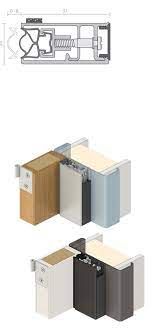
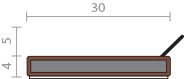
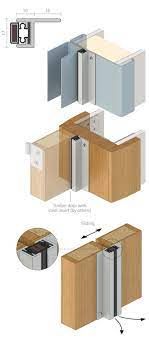
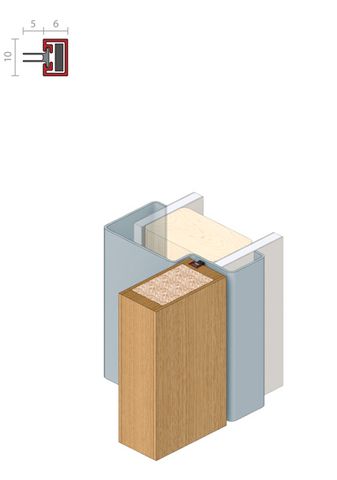
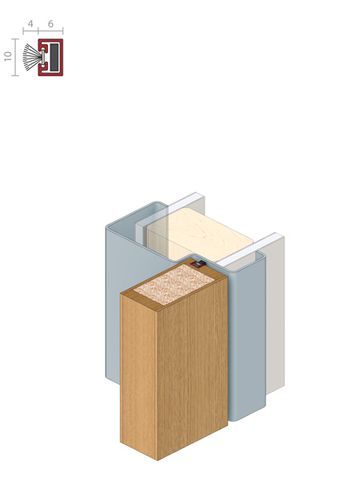
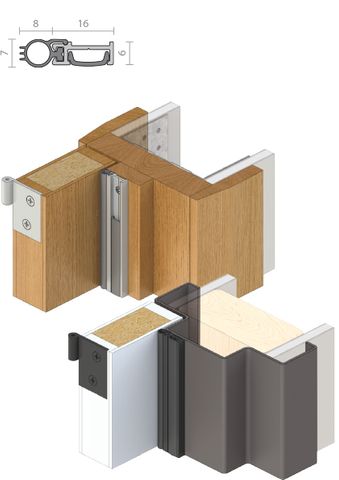
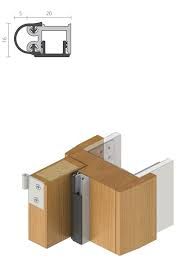
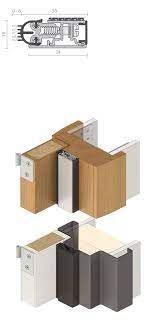
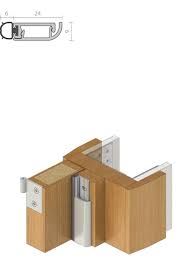
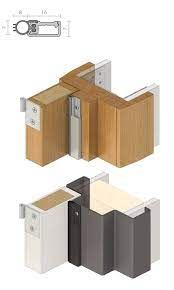
Non-Rebated Frame Door Hardware
Non-rebated (rebate-free) frames deliver a sharp, modern look because the door leaf closes into a clean, flush-style frame profile rather than overlapping a stepped rebate. That streamlined aesthetic is popular in contemporary residential builds, office fitouts and premium commercial interiors—but it also means the hardware needs to be chosen with the frame style in mind. This category brings together a complete range of architectural door hardware suited to non-rebated frames, including handles and pulls, locks and latches, cylinders, hinges and pivots, door closers, bolts, stops, strikes and plates, plus the accessories that make the whole opening work smoothly. If you’re looking to buy non-rebated frame door hardware online in Australia, this is where you’ll find practical, compatible options for internal and external doors in residential and commercial settings.
Why Non-Rebated Frames Need the Right Hardware
A non-rebated frame changes how the door meets the frame, where the latch engages, and how cleanly the door shuts. With less “forgiveness” for misalignment than a traditional rebated setup, compatibility and adjustment matter more. Choosing the right hinges (or pivots), the correct latch/lock format, and properly matched strikes and keeps helps the door close confidently and sit neatly in the frame. In busy projects across Brisbane, Queensland, and New South Wales, hardware that’s specified correctly from the start can also reduce call-backs—no rubbing, no rattles, and no inconsistent latching.
Key Benefits of a Well-Specified Non-Rebated Frame Hardware Set
Cleaner Aesthetics, Premium Feel
Non-rebated frames are chosen for a reason: crisp lines and a modern, minimal profile. Pairing them with contemporary lever designs, sleek pull handles, concealed or design-forward hinges, and coordinated finishes like matte black, stainless steel or warm brass tones creates a consistent architectural look. Zanda and Barben ranges are often selected where the hardware itself is part of the interior statement.
Smoother Closing and Better Alignment Over Time
Because non-rebated setups tend to highlight any misalignment, hardware quality and suitability are critical. Correct hinge/pivot selection and door control (where needed) help maintain alignment and improve the day-to-day “closing feel”. Dormakaba solutions are commonly used in commercial environments where controlled closing and consistent performance are priorities.
Security and Function That Matches the Door’s Role
From passage doors to privacy doors to front door security, the hardware should match how the door is used. Lockwood options are widely trusted for robust locking and latching performance, and can be paired with compatible handle and cylinder selections to create a complete system for non-rebated frames.
Popular Applications for Non-Rebated Frame Hardware
Modern Residential Interiors
Non-rebated frames are common in contemporary homes and apartments where clean lines matter—bedrooms, studies, hallways and internal feature doors. Hardware choices here often focus on style consistency, comfortable ergonomics, and quiet operation, with finishes like matte black, satin stainless, or brass tones to match the wider interior palette.
Commercial Offices and Fitouts
In office environments, non-rebated frames are frequently used for boardrooms, meeting rooms, private offices and corridor doors. With higher traffic and the need for reliable latching, commercial-grade lock and latch solutions, durable levers/pulls, and door closers (where required) are common inclusions—especially across Brisbane CBD and major Queensland and New South Wales commercial hubs.
Hospitality, Retail and Public-Facing Spaces
Where first impressions count, non-rebated frames help deliver a premium, modern doorway. Pull handles, well-matched lock functions, protective stops and dependable door control hardware help maintain appearance and performance even with constant use.
What Hardware is Typically Used with Non-Rebated Frames?
Handles, Lever Sets and Pull Handles
Start with how the door is operated. Lever handles are ideal where a latch is regularly used (internal doors, amenities, offices), while pull handles are popular for a minimalist look and for entries or statement doors. For a cohesive “architectural door hardware” finish, coordinate visible components across the project—lever/pull design, roses/plates, and any visible cylinders—especially when specifying modern matte black, stainless steel or brass-toned looks. Zanda and Barben are strong choices where you want design-led hardware that still feels solid and practical.
Locks, Latches and Privacy Functions
Non-rebated frames can be used across many door functions, so selecting the correct lock or latch type is key. Passage latches suit free-access internal doors, privacy latches suit bathrooms and consult rooms, and keyed locks suit external doors or controlled areas. In commercial fitouts, consistent latch engagement is critical for usability and compliance outcomes where applicable, which is why many projects lean on proven Lockwood solutions for dependable performance.
Cylinders and Keying Options
Where a keyed function is required, compatible cylinders and turn/snib configurations become part of the overall selection. If you’re standardising across a site (or multiple sites), choosing a consistent cylinder format can simplify maintenance and future replacement—especially useful for property managers operating across Queensland and New South Wales.
Hinges, Concealed Hinges and Pivot Systems
Hinge selection for non-rebated frames often focuses on clean lines and controlled movement. Depending on the door and frame design, you may use traditional hinges, concealed hinges for a minimalist look, or pivot systems for a more architectural swing. The right choice depends on door weight, frequency of use, desired appearance and how the frame is prepared. When in doubt, prioritise a solution that supports alignment and smooth operation over time.
Door Closers and Door Control
In commercial applications, door closers are frequently specified to deliver controlled closing, reduce slamming, and ensure the door returns to latch reliably. This is especially valuable with non-rebated frames, where a consistent closing action helps the door sit neatly in the frame every time. Dormakaba door control hardware is commonly chosen in these settings for dependable performance and a professional closing feel.
Bolts, Flush Bolts and Double Door Hardware
For double doors or inactive leaves, flush bolts and matching keeps can help stabilise the opening and maintain clean alignment. Selecting the right bolt type and strike/keep arrangement helps the active leaf latch smoothly without forcing or misalignment.
Strikes, Keeps, Plates and Finishing Accessories
Non-rebated frames often rely on correctly matched strikes and keeps to achieve a clean close and consistent latch engagement. Faceplates, strike plates, adapter plates and other accessories can also be used to refine the fit and finish—particularly in retrofit scenarios or where you’re coordinating mixed door functions across a project. These “small parts” are often what separate an average install from a premium result.
Stops, Hold-Open Options and Door Protection
Stops protect doors, frames, walls and adjacent glazing from damage. Floor stops, wall stops and overhead hold-open solutions can be essential in high-traffic settings, helping maintain the clean look non-rebated frames are chosen for. In commercial environments, these protective details can extend the life of both the door and the hardware.
Finishing Details: Seals and Thresholds (Optional)
While non-rebated frame hardware is primarily about locks, levers, hinges and door control, some openings benefit from minor finishing details like a discreet door bottom seal or threshold to reduce draughts and improve comfort. These should complement the main hardware selection, not dominate it—particularly on internal doors where aesthetics and smooth operation are the priority.
How to Choose the Right Non-Rebated Frame Hardware
1) Start with Door Function
Is it a front door, internal door, privacy door, or a commercial access door? Function determines latch/lock type, whether a cylinder is required, and whether you need door control hardware.
2) Match the Movement Style
Hinged, pivot, or (in some projects) sliding setups all influence hardware choice. Hinges and pivots should be selected for door size, weight and traffic, while closers should suit the opening’s usage and desired closing speed.
3) Prioritise Compatibility and a Complete System
Non-rebated frames look best when the whole opening is specified as a system—handle + latch/lock + strike/keep + hinges/pivots + (where needed) closer and stops. Lockwood and Dormakaba are commonly used in commercial and high-use environments for dependable system performance, while Zanda and Barben can help achieve premium contemporary styling across visible touchpoints.
4) Coordinate Finishes Across the Project
For modern interiors, matte black is a standout choice; stainless steel remains a durable favourite for commercial projects; and brass-toned finishes can add warmth for premium residential or hospitality spaces. Consistency across levers/pulls, roses/plates, visible cylinders and accessories helps maintain the crisp architectural look non-rebated frames are chosen for.
Local Support: Brisbane, Queensland, New South Wales & Australia-Wide
John Barnes Group supports non-rebated frame door hardware requirements for projects in Brisbane and across Queensland, from residential upgrades through to large commercial fitouts. We also supply New South Wales projects and deliver Australia-wide, making it easier to standardise modern architectural door hardware across multi-site portfolios, staged builds and ongoing maintenance programs. Whether you’re refreshing internal doors for a contemporary renovation or specifying robust hardware for a busy commercial tenancy, you’ll find compatible options built for performance and finish consistency.
Frequently Asked Questions
What does “non-rebated frame” mean?
A non-rebated (rebate-free) frame is designed for a cleaner, flush-style closing line, rather than a stepped frame rebate that the door overlaps. Because the door-to-frame relationship differs, hardware selection and alignment become more important for smooth closing and reliable latching.
What hardware is typically required for a non-rebated frame door?
Most openings need a handle or pull, a latch or lock suited to the door’s function, hinges or a pivot system, and correctly matched strikes/keeps. Depending on the application you may also need a cylinder (keyed doors), a door closer, bolts for double doors, stops and protective accessories.
Are non-rebated frame doors suitable for internal and external use?
Yes. Internal doors often prioritise a premium look and quiet operation, while external doors typically require stronger security hardware and may include door control for consistent return-to-close. The key is matching the lock function, hinge/pivot choice and accessories to the door’s role.
Do non-rebated frames need special locks or latches?
They don’t always require “special” locks, but they do benefit from compatible lock/latch formats and properly matched strike/keep combinations to ensure clean engagement. Choosing proven systems—often including Lockwood options in commercial and security-focused settings—helps achieve reliable performance.
Should I use concealed hinges with non-rebated frames?
Concealed hinges are popular with non-rebated frames because they support a minimalist, modern appearance. However, the best hinge or pivot choice depends on door size, weight, traffic and frame preparation. For high-use openings, prioritise suitability and durability first, then refine the aesthetic.
When is a door closer recommended?
Closers are commonly recommended in commercial environments to control closing, reduce slamming and ensure consistent latching—particularly helpful with non-rebated frames where a reliable closing action supports neat alignment. Dormakaba door control solutions are frequently specified where consistent performance is required.
What finishes work best with modern non-rebated frames?
Matte black is a leading choice for contemporary design, stainless steel suits high-traffic and commercial durability, and brass-toned finishes add warmth in premium interiors. Coordinating the finish across handles, locks, visible cylinders and accessories helps maintain a cohesive architectural look.
Can I standardise non-rebated frame hardware across multiple sites?
Yes. Standardising handles, lock functions, cylinders and core accessories can simplify maintenance and keep the look consistent across multiple locations. This is particularly useful for businesses and facilities operating across Queensland, New South Wales and Australia-wide.
Why Choose John Barnes Group?
John Barnes Group helps you specify non-rebated frame door hardware as a complete, compatible system—so doors look sharp and perform reliably over time. With trusted performance options from Dormakaba and Lockwood, plus premium, design-forward ranges from Zanda and Barben, you can coordinate modern finishes and dependable function across internal and external doors. Based in Brisbane and supporting Queensland, New South Wales and Australia-wide delivery, we make it easier to source architectural door hardware that suits contemporary rebate-free frame applications.