
Proprietary Fire
-
2024BCSILStock Level:In Stock$103.00 inc GSTPrice:$93.64 ex GST
-
$668.60 inc GSTPrice:$607.82 ex GST
-
$147.79 inc GSTPrice:$134.35 ex GST
-
$125.49 inc GSTPrice:$114.08 ex GST
-
$97.61 inc GSTPrice:$88.74 ex GST
-
$3,410.90 inc GSTPrice:$3,100.82 ex GST
-
$925.22 inc GSTPrice:$841.11 ex GST
-
2616EMCDSILStock Level:In Stock - Low Availability$3,821.72 inc GSTPrice:$3,474.29 ex GST
-
2616EMCSILStock Level:Available to Order$1,923.61 inc GSTPrice:$1,748.74 ex GST
-
$1,047.83 inc GSTPrice:$952.57 ex GST
-
$412.79 inc GSTPrice:$375.26 ex GST
-
$474.64 inc GSTPrice:$431.49 ex GST
-
$608.53 inc GSTPrice:$553.21 ex GST
-
$637.67 inc GSTPrice:$579.70 ex GST
-
$630.53 inc GSTPrice:$573.21 ex GST
-
$718.09 inc GSTPrice:$652.81 ex GST
-
$700.57 inc GSTPrice:$636.88 ex GST
-
$352.81 inc GSTPrice:$320.74 ex GST
-
9853BCNStock Level:In Stock - Low Availability$352.81 inc GSTPrice:$320.74 ex GST
-
$352.81 inc GSTPrice:$320.74 ex GST
-
$215.92 inc GSTPrice:$196.29 ex GST
-
B1120BT-SEStock Level:In Stock - Low Availability$237.83 inc GSTPrice:$216.21 ex GST
-
B1130BT-C-SSSStock Level:Available to Order$320.49 inc GSTPrice:$291.35 ex GST
-
$258.08 inc GSTPrice:$234.62 ex GST

Proprietary Fire Door Hardware
Proprietary fire doors are engineered door systems used in buildings where controlled egress, compartmentation and life-safety performance are critical. Getting the best outcome isn’t just about the door leaf and frame—your results depend on choosing compatible, correctly specified proprietary fire door hardware that suits the door system, building use and traffic levels. This category brings together a complete range of architectural door hardware commonly specified for proprietary fire door applications, including handles and pulls, locks and latches, cylinders (where required), hinges or pivots, door closers, bolts, stops, strikes and plates, plus the supporting accessories that help the opening function as intended. If you need to buy proprietary fire door hardware online for projects in Brisbane, across Queensland, in New South Wales or Australia-wide, you’re in the right place.
Why Proprietary Fire Door Hardware Needs a System Approach
Fire door openings are typically high-consequence openings: stairwells, fire-isolated corridors, plant rooms, service cupboards, apartment entry corridors, and other locations where consistent closing and secure latching matter. Hardware on these doors must be selected as a coordinated set—because each component influences the others. A closer affects latch engagement, a handle choice affects user behaviour and accessibility, and hinge selection affects alignment and long-term reliability. In busy commercial environments, the “feel” of the door matters too: smooth operation, controlled closing, confident latching, and durable finishes that hold up to daily use.
Common Applications for Proprietary Fire Door Hardware
Stairwells, Fire Stairs & Fire-Isolated Paths
These openings typically see repeated use and demand consistent return-to-close performance. Door closers, robust hinges, reliable latching hardware and impact protection (stops) are commonly prioritised to support long-term function across the building lifecycle.
Apartment and Tenancy Separation
In multi-residential and mixed-use buildings, proprietary fire doors are often used at corridor entries, plant/service areas, and separation points between tenancies. Hardware selection here is often a balance of security, durability, and clean aesthetics—especially where doors are seen by residents and visitors every day.
Service Doors, Plant Rooms and Back-of-House
These are frequently high-abuse environments: trolleys, bins, equipment movement, and frequent door cycling. Heavy-duty levers, closers, and protection hardware help reduce damage and keep doors performing reliably.
What’s Included in Proprietary Fire Door Hardware
Handles, Levers & Pull Handles
Handles are the primary user interface, so they must match the door’s function and traffic level. Lever handles are common on stair and corridor doors for simple, reliable operation. Pull handles may be used where the door design or user flow calls for it (often paired with the appropriate latching/locking arrangement). For modern fitouts, finishes like matte black and stainless steel remain popular, while warmer metallic tones can suit premium interiors where consistent architectural door hardware styling is required. Zanda and Barben options are often selected when design-led hardware is important without losing the “commercial-grade” feel.
Locks, Latches & Mortice Hardware
Latching is often central to proprietary fire door performance in real-world use: doors should close and latch consistently. Hardware choice depends on the door’s purpose—passage function for general access doors, privacy where needed, and keyed locking where security and access control are required. Lockwood solutions are commonly specified for dependable latching and locking in demanding environments, while Dormakaba ranges are frequently used in commercial specifications where consistent performance and hardware compatibility are key.
Cylinders & Keying (Where Required)
Where a keyed function is part of the access strategy, cylinders and compatible lock formats become important. In multi-site or multi-level buildings, keyed systems are often designed to support maintenance access and security zoning. Selecting the correct cylinder format and matching accessories helps keep operation smooth and ensures the hardware suite remains consistent across the project.
Hinges & Load-Bearing Hardware
Fire doors are often heavier than standard internal doors, and they’re frequently used. Hinges should be chosen based on door mass, expected cycle rates, and the door system’s preparation requirements. The right hinge selection helps maintain alignment, reduce binding, and support a clean latch engagement over time—especially in high-traffic stair and corridor environments.
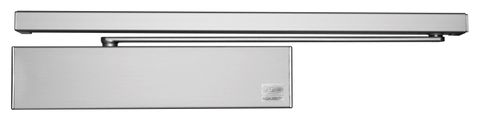
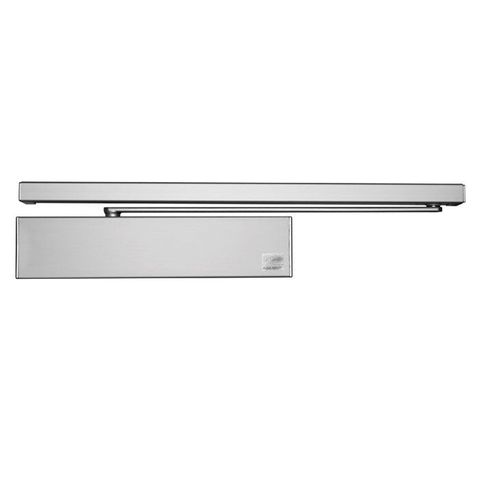
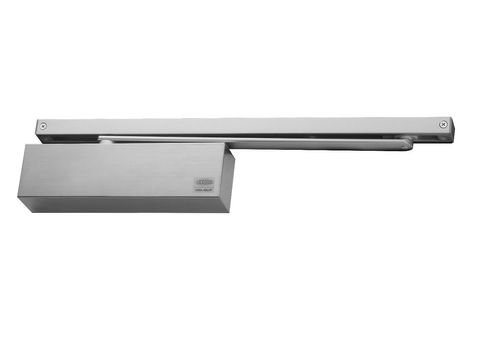
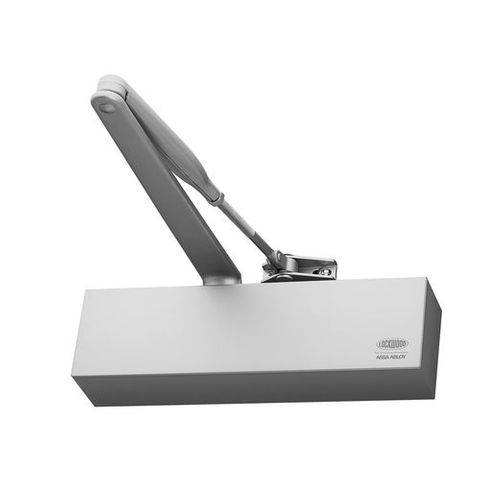
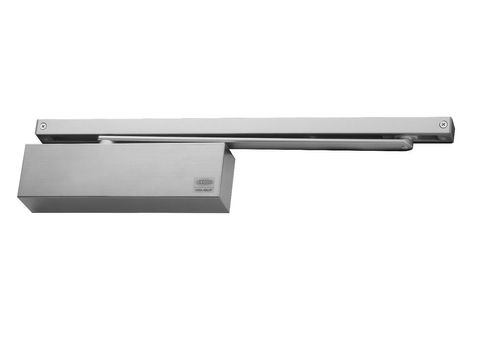
Door Closers & Controlled Closing
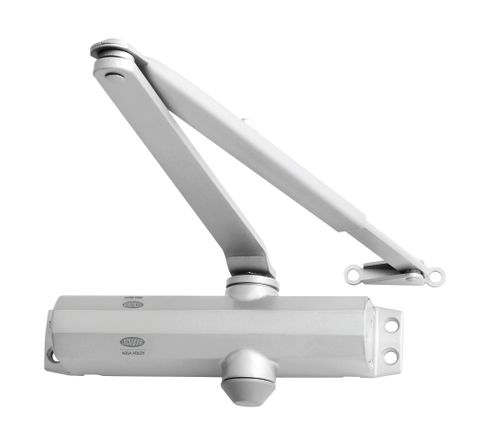
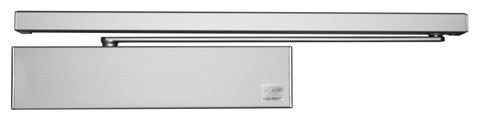
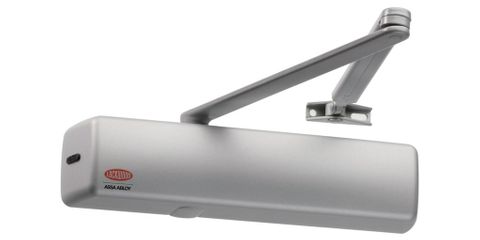
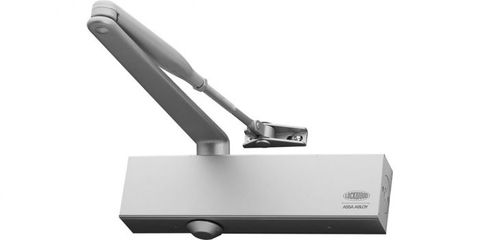
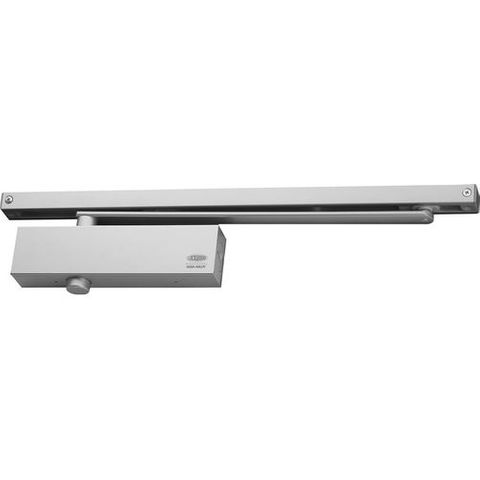
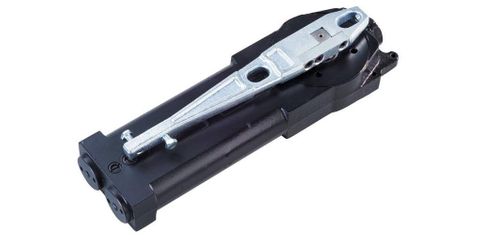
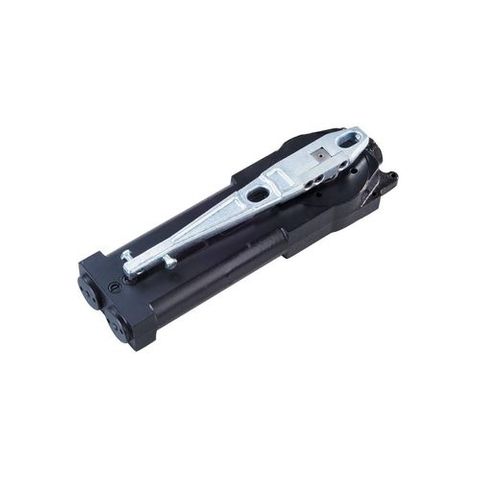
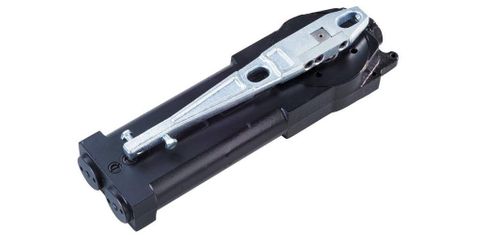
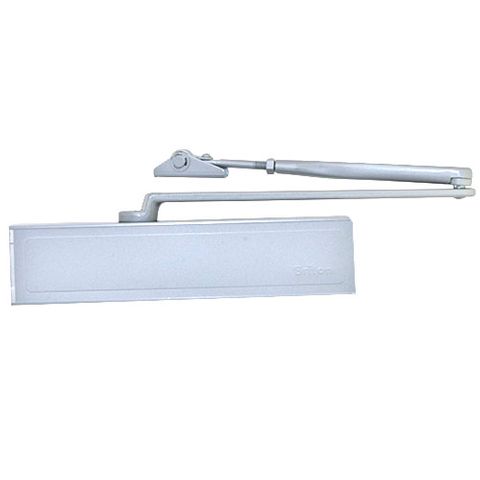
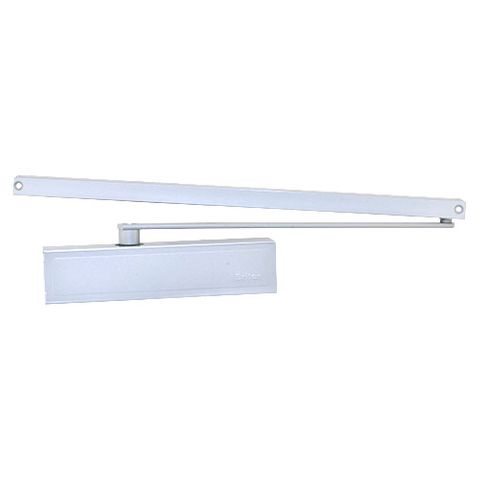
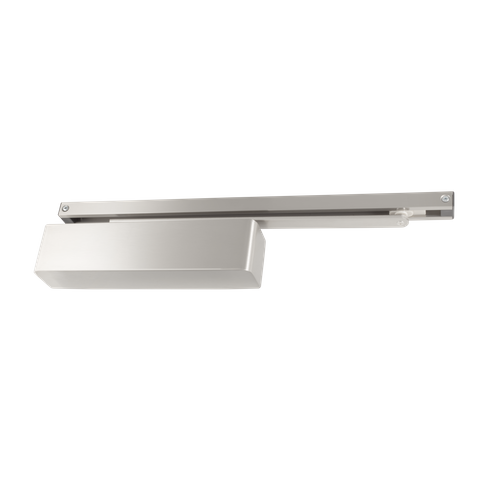
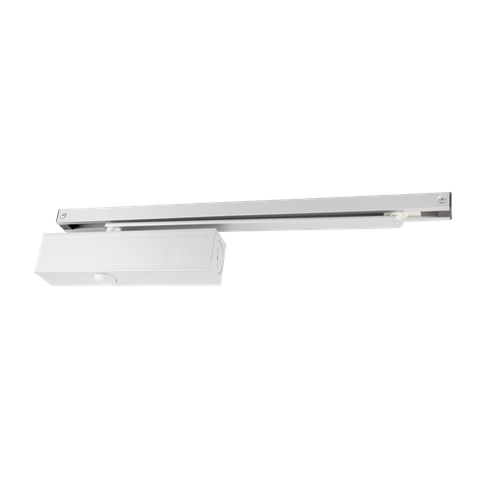
Closers are a cornerstone of many proprietary fire door installations because they drive consistent closing behaviour. Correct closer selection improves the user experience (less slamming, smoother movement) and supports reliable latching. In commercial environments across Brisbane and major centres in Queensland and New South Wales, closers are often specified to handle frequent use while maintaining predictable door control. Dormakaba door control solutions are widely used where performance consistency is a priority.
Bolts, Flush Bolts & Double Door Hardware
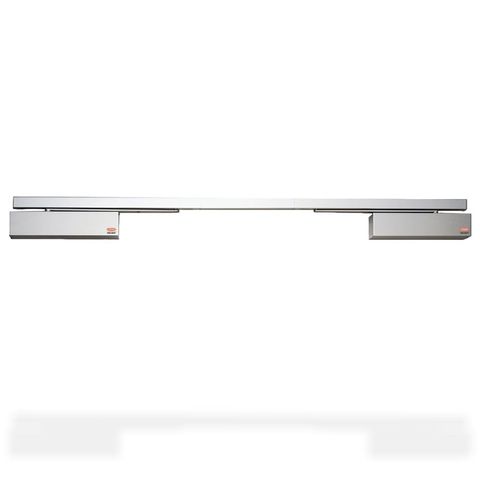
Where proprietary fire doors are configured as pairs, the hardware approach changes: the inactive leaf may require flush bolts or a coordinated retention/engagement method, while the active leaf uses the primary latching/locking function. Choosing compatible strikes and keeps is essential for smooth closing and long-term alignment.
Strikes, Plates, Keeps & Protective Trims
Strikes and plates are easy to overlook, but they directly affect how cleanly a door latches and how well the opening holds up under repeated use. Selecting the correct strike format for the lock/latch and ensuring robust plate solutions can reduce wear, improve alignment tolerance, and deliver a more professional finished result across the door set.
Door Stops, Hold-Open Options & Impact Protection
Damage prevention is a major part of maintaining door performance. Door stops protect the leaf, frame, adjacent walls and glazing from impact. Where hold-open functionality is permitted and specified for the application, selecting appropriate solutions can improve traffic flow and reduce misuse (like wedging), while still supporting the overall door strategy.
Finishing Details (Minor, Where Relevant)
Seals, thresholds and minor finishing items can play a supporting role depending on the door location and performance goals (for example, controlling draughts, reducing rattles, or improving everyday comfort). These should be selected to suit the specific door system and the requirements of the opening, rather than treated as the primary focus of the specification.
How to Choose the Right Proprietary Fire Door Hardware
When selecting proprietary fire door hardware Australia wide, start with the door schedule and the door system requirements. Proprietary fire doors are commonly supplied as tested systems, and hardware should be chosen to suit the door manufacturer’s preparation and the building’s intended use. Next, define function: is it passage, privacy, keyed security, or restricted access? Then match the operating style (single door vs pair, high-traffic vs low-traffic) and choose durability accordingly. Finally, align the look and feel: modern matte black, hard-wearing stainless steel, or a premium finish that matches broader architectural door hardware across the project.
Internal vs External Considerations
Many proprietary fire doors are internal, but they can also be used at external interfaces depending on the building design. External exposure and entry conditions can influence finish selection and corrosion resistance, as well as closer choice and protection hardware. For internal doors, the focus is often on smooth, quiet operation and consistent latching across frequent cycles.
Finish Consistency for Modern, Contemporary and Premium Projects
Even in life-safety applications, appearance still matters—especially in premium residential, A-grade commercial and high-visibility public environments. Matte black hardware supports modern interiors and bold design themes, stainless steel remains a commercial staple for durability and low maintenance, and warmer metallic finishes can elevate premium spaces when used consistently. Coordinating finishes across levers/pulls, locks, closers, hinges and accessories helps avoid a patchwork look and delivers a more intentional, architectural result.
Local Support: Brisbane, Queensland, New South Wales & Australia-Wide
John Barnes Group supports proprietary fire door hardware selection for projects and maintenance teams in Brisbane and across Queensland, while also servicing New South Wales and shipping Australia-wide. Whether you’re standardising a portfolio, fitting out a new tenancy, upgrading back-of-house doors, or sourcing replacement architectural door hardware for ongoing maintenance, this category is designed to help you quickly find compatible hardware options suited to proprietary fire door applications—without losing focus on durability, usability and a cohesive finish.
Frequently Asked Questions
What is “proprietary fire door hardware”?
It’s the suite of handles, locks/latches, cylinders (if keyed), hinges, door closers, bolts (for pairs), strikes/plates, stops and supporting accessories selected to suit proprietary fire door systems. The aim is a compatible, coordinated set that supports consistent closing and reliable operation.
Does all hardware in this category automatically suit every fire door?
Not necessarily. Proprietary fire doors are often specified as systems, and hardware selection should match the door manufacturer’s preparation and the project’s requirements. Use the door schedule and system guidance to confirm suitability for your specific opening.
What hardware is most critical on a proprietary fire door?
It depends on the application, but consistent closing and latching are commonly prioritised. That typically means choosing an appropriate latch/lock function, suitable hinges for the door mass and usage, and a correctly selected door closer where required for controlled closing behaviour.
Which finishes are popular for proprietary fire door hardware?
Matte black is popular for modern and contemporary projects, stainless steel is widely used for durability in commercial environments, and warmer metallic finishes can suit premium interiors when coordinated across the whole hardware suite.
Are Lockwood and Dormakaba suitable brands for these applications?
They’re commonly specified in commercial and architectural environments where reliability and consistent performance matter. Lockwood is often selected for robust locking and latching, while Dormakaba is frequently used for door control and commercial hardware solutions. Zanda and Barben are also popular where a design-led architectural finish is important.
Do I need a door closer on a proprietary fire door?
Many proprietary fire door applications rely on controlled closing to support consistent real-world performance. Whether a closer is required for your door depends on the project specification and door schedule. Where used, the right closer helps reduce slamming and improves latch engagement consistency.
What’s different when the door is a double (pair) configuration?
Paired doors often require additional coordination hardware such as flush bolts for the inactive leaf and compatible strikes/keeps to maintain alignment. Selecting the right combination helps both leaves close smoothly and reduces long-term wear at meeting stiles.
Can I buy proprietary fire door hardware online for projects outside Brisbane?
Yes. John Barnes Group supports Brisbane and Queensland customers while also supplying New South Wales projects and shipping Australia-wide, making it easier to standardise hardware across multi-site portfolios and ongoing maintenance programs.
Why Choose John Barnes Group?
John Barnes Group helps you source architectural door hardware that suits demanding proprietary fire door applications—without compromising on usability, durability or finish consistency. With trusted performance options from Dormakaba and Lockwood, plus design-forward ranges from Zanda and Barben, you can build a coordinated hardware set that aligns with the door schedule and the look of the wider project. From Brisbane across Queensland, through New South Wales and Australia-wide delivery, we support both project specifications and maintenance teams with dependable, professional hardware solutions.