Hidden Door
-
$710.64 inc GSTPrice:$646.04 ex GST
-
$780.64 inc GSTPrice:$709.67 ex GST
Hidden Door Hardware
Hidden doors (also called concealed doors, flush-to-wall doors or secret doors) are designed to disappear into the wall line—no obvious architraves, no bulky hardware, and a clean, modern finish that suits contemporary homes and high-end commercial interiors. To make that minimalist look work in real life, you need the right hidden door hardware: concealed hinges or pivot systems, discreet handles and pulls, reliable latches and locks, and the essential accessories that keep the door aligned, quiet and easy to use. John Barnes Group makes it simple to buy hidden door hardware online with options suited to internal applications across Brisbane, Queensland, New South Wales and Australia-wide.
Why Hidden Doors Need Purpose-Chosen Hardware
A hidden door is all about alignment and subtlety. The door leaf often sits flush with plasterboard or panelling, shadow gaps are tighter, and hardware must be unobtrusive while still feeling premium. When the hardware is mismatched, common issues show up quickly: doors that bind, don’t latch cleanly, sit proud of the wall, rattle, or swing too freely. Selecting hidden door hardware as a complete system—movement, latching, pull/handle, and protection—helps deliver that “seamless wall” effect without compromising usability.
Key Benefits of a Complete Hidden Door Hardware System
Clean, Architectural Aesthetics
Hidden door projects usually aim for minimal visual interruption. Concealed hinges or pivot hardware, paired with flush pulls or low-profile levers, supports a modern, contemporary look in premium residential builds and design-led commercial spaces.
Smooth Operation and Long-Term Alignment
Because hidden doors typically run tighter to surrounding finishes, smooth swing and stable alignment are essential. Well-chosen hinges/pivots and correctly matched latching hardware reduce sag, rubbing and inconsistent reveal lines over time.
Discreet Privacy and Practical Security
Hidden doors often lead to studies, ensuites, storage rooms, wine rooms or staff-only spaces. With the right latch/lock and cylinder options (where needed), you can keep the entry understated while still delivering privacy or controlled access.
Where Hidden Doors Are Commonly Used
Residential: Modern Homes and Apartments
Hidden doors are a popular feature in contemporary homes—concealing pantries, laundries, media rooms, walk-in robes and ensuites while maintaining a continuous wall finish. In these spaces, hardware choices usually prioritise a premium feel, quiet closing, and finishes like matte black, stainless steel, or warm metallic tones to coordinate with other architectural door hardware.
Commercial: Offices, Hospitality and High-End Fitouts
In commercial interiors, hidden doors are used to conceal back-of-house areas, comms rooms, storage, staff amenities, and service corridors. These doors typically require more durable, higher-cycle hardware, and may benefit from door control solutions for consistent closing. Dormakaba is often specified in commercial environments where dependable performance and smooth door control matter.
Hidden Door Hardware Essentials
Concealed Hinges
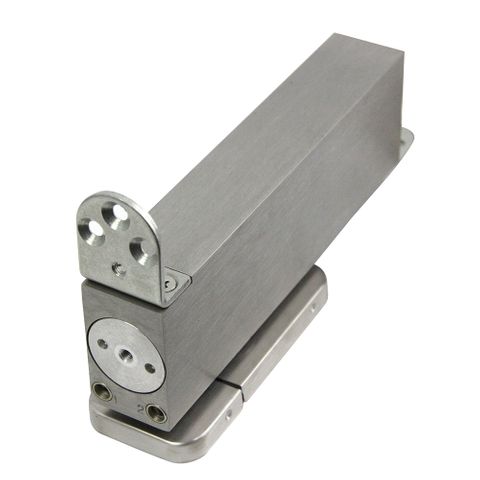
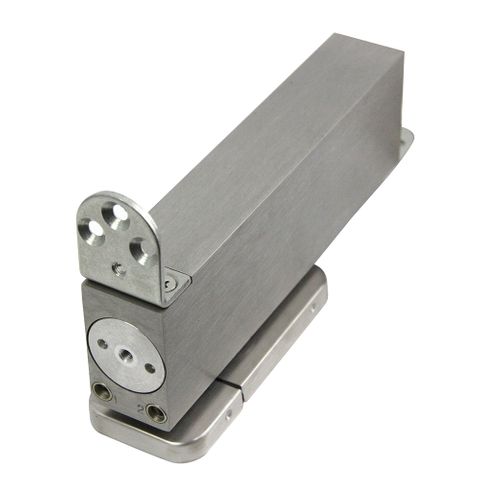
Concealed hinges are the backbone of many hidden door builds, providing a clean look with adjustability that helps fine-tune alignment after installation. For flush-to-wall doors, hinge selection is typically driven by door weight, door thickness, reveal requirements, and how “invisible” the hinge needs to be when the door is open. A properly matched concealed hinge set supports the minimalist intent while maintaining a stable swing and consistent gaps.
Pivot Systems
Pivot hardware can be ideal when you want an architectural swing and a premium feel, or when the design calls for a pivot point rather than a traditional hinge line. Pivot systems can also help distribute load differently (depending on the application), which may be beneficial for larger door leaves. In higher-end projects, pairing pivot movement with refined handle choices from Zanda or Barben can deliver a very deliberate, design-forward result.
Handles, Flush Pulls and Discreet Touch Points
Hidden doors usually call for understated touch points. Popular options include flush pulls, recessed pulls, minimalist levers, or pull handles selected to sit cleanly against the wall line. The best choice depends on whether the door is push-to-open, latched, or locked. For a premium look, many projects coordinate finishes across the home or tenancy—matte black for bold modern contrast, stainless steel for clean durability, or brass tones to warm up neutral palettes. Design-led ranges from Zanda and Barben can help you keep the door subtle while still feeling high-end.
Latches and Locks for Hidden Doors
A hidden door still needs to function like a normal door—closing securely, staying shut, and opening predictably. Depending on the room and privacy needs, you may choose a passage latch, privacy function, or a keyed lock. For reliable latching and consistent everyday use, Lockwood options are commonly chosen across residential and commercial projects. Where keyed access is required, compatible cylinders and trims (where used) should be selected to maintain a clean appearance and consistent operation.
Magnetic and Minimal Latching Options
For projects chasing the cleanest possible look and feel, magnetic-style latching can reduce visible hardware and help deliver a quiet close. These solutions are often paired with flush pulls or minimalist levers and are well suited to internal doors where a refined user experience matters.
Door Closers and Controlled Closing
Not every hidden door needs a closer, but in commercial settings—or in homes where you want consistent closing—a closer can be a smart upgrade. Controlled closing reduces slamming, supports reliable latch engagement, and helps protect delicate wall finishes around tight reveals. Dormakaba door control solutions are frequently used where smooth, dependable closing is a priority in architectural interiors.
Bolts, Flush Bolts and Discreet Holding Options
For double hidden doors or doors that need an “inactive leaf” held in place, bolts or flush bolts can be used to keep the opening neat and stable. The aim is to secure the door without adding visual clutter—particularly important when the door is intended to blend into surrounding wall finishes.
Stops, Buffers and Protection Hardware
With hidden doors, protecting wall lines and adjacent finishes is crucial. Discreet door stops, floor stops, and buffers can prevent over-travel and reduce impact damage—especially when the wall finish is continuous and repairs are costly. The right stop strategy is one of the simplest ways to keep a premium hidden door installation looking pristine.
Strikes, Plates and Finishing Accessories
Strikes and keeps are often overlooked, but they have a big impact on how a hidden door feels. Clean alignment, smooth latching and reduced rattle all come from compatible strikes and careful selection of plates and accessories. When the goal is “invisible”, these small components help maintain a refined, professional finish.
Seals and Thresholds as a Finishing Detail
Hidden doors are most commonly internal, so seals and thresholds are usually not the main story. However, where you want a quieter close, reduced light spill, or a more finished edge, subtle seals or bottom solutions can be added as a minor finishing detail—chosen carefully so they don’t compromise tight reveals or smooth operation.
How to Choose the Right Hidden Door Hardware
Start with Door Size, Weight and Wall Finish
Hidden door hardware selection should begin with the practical realities: door dimensions, weight, the wall build-up (plasterboard, panelling, joinery), and the reveal/shadow gap approach. Concealed hinges and pivots have different requirements, so choosing movement hardware early helps avoid compromises later.
Match Function to the Space
Is the door for a pantry (passage), an ensuite (privacy), a study (privacy or keyed), or a staff-only room (keyed)? Matching the latch/lock function to the use case ensures the door stays discreet but still performs. Lockwood is a dependable choice for robust latching and locking outcomes, while design-focused handle options from Zanda and Barben can keep the look refined.
Coordinate Finishes Across the Project
Hidden doors look best when hardware is consistent with the broader interior. Matte black remains a popular contemporary choice, stainless steel suits modern commercial durability, and brass tones can elevate premium residential styling. Coordinating closer covers (where visible), levers/pulls, and accessories keeps the “hidden” concept believable—nothing should look like an afterthought.
Local Support in Brisbane, Queensland, New South Wales and Australia-Wide
John Barnes Group supports hidden door hardware selections for projects in Brisbane and across Queensland, from design-led residential builds to commercial fitouts that require durability and consistency. We also supply New South Wales projects and ship Australia-wide, making it easier to standardise concealed hinges, latching and handle finishes across multi-room homes, office tenancies, hospitality venues and multi-site portfolios.
Frequently Asked Questions
What is “hidden door hardware”?
Hidden door hardware is a group of components designed to support flush-to-wall or concealed doors, including concealed hinges or pivots, discreet handles or flush pulls, latches/locks (and cylinders where needed), plus accessories like strikes, stops and door control where appropriate.
Are concealed hinges or pivots better for a hidden door?
It depends on the design and door characteristics. Concealed hinges are commonly used for flush-to-wall doors where adjustability and a familiar swing are preferred. Pivot systems can suit architectural designs and larger door leaves, providing a distinctive feel and clean operation when correctly specified.
What handle type suits a hidden door best?
Flush pulls and minimalist levers are popular because they reduce visual clutter and keep the door subtle. The best choice depends on whether the door is push-to-open, latched, privacy, or keyed—your handle selection should suit the function and the user experience you want.
Can a hidden door still have a lock and key?
Yes. Hidden doors can use keyed locks and compatible cylinders when security or controlled access is needed. The key is choosing trims and hardware that maintain a low-profile look while still providing practical operation.
Do hidden doors need door closers?
Not always. In commercial environments, or where you want consistent closing and reliable latching, a closer can be very helpful. Door control can also reduce slamming and protect tight reveals and wall finishes—Dormakaba solutions are commonly selected where smooth closing is a priority.
How do I stop a hidden door from damaging the wall?
Use an appropriate stop strategy such as floor stops, wall stops, or discreet buffers. This is especially important for hidden doors because the wall finish is often continuous and tight reveals can be difficult to repair if the door over-travels.
What finishes work best with hidden doors?
Matte black is a popular modern choice, stainless steel suits both residential and commercial durability, and brass tones can elevate premium interiors. Coordinating finishes across handles, locks, hinges/pivots and accessories helps the door blend seamlessly into the overall design.
Can I buy hidden door hardware online for delivery across Australia?
Yes. John Barnes Group supplies hidden door hardware for Brisbane and Queensland projects, supports New South Wales customers, and ships Australia-wide—helping you source a complete set of compatible components for a clean, professional hidden door outcome.
Why Choose John Barnes Group?
Hidden doors only work when every component is compatible—movement, latching, touch points and finishing details. John Barnes Group helps you select complete hidden door hardware systems that suit modern Australian interiors, with dependable performance options from Dormakaba and Lockwood and design-forward solutions from Zanda and Barben. From Brisbane across Queensland to New South Wales and Australia-wide delivery, we support projects that demand a clean architectural finish, reliable operation and long-term durability.