Double Acting
-
$425.98 inc GSTPrice:$387.25 ex GST
-
$425.98 inc GSTPrice:$387.25 ex GST
-
8842NSSSStock Level:Available to Order$425.98 inc GSTPrice:$387.25 ex GST
-
985-300Stock Level:In Stock - Low Availability$212.85 inc GSTPrice:$193.50 ex GST
-
985-350Stock Level:Available to Order$257.51 inc GSTPrice:$234.10 ex GST
-
985-400Stock Level:Available to Order$257.54 inc GSTPrice:$234.13 ex GST
-
$352.81 inc GSTPrice:$320.74 ex GST
-
$331.69 inc GSTPrice:$301.54 ex GST
-
$331.69 inc GSTPrice:$301.54 ex GST
-
$331.69 inc GSTPrice:$301.54 ex GST
-
9853BCNStock Level:In Stock - Low Availability$352.81 inc GSTPrice:$320.74 ex GST
-
$331.69 inc GSTPrice:$301.54 ex GST
-
9853H90Stock Level:In Stock - Low Availability$331.69 inc GSTPrice:$301.54 ex GST
-
$331.69 inc GSTPrice:$301.54 ex GST
-
$352.81 inc GSTPrice:$320.74 ex GST
-
$331.69 inc GSTPrice:$301.54 ex GST
-
$331.69 inc GSTPrice:$301.54 ex GST
-
$331.69 inc GSTPrice:$301.54 ex GST
-
$77.00 inc GSTPrice:$70.00 ex GST
-
$101.68 inc GSTPrice:$92.44 ex GST
-
$150.11 inc GSTPrice:$136.46 ex GST
-
$127.59 inc GSTPrice:$115.99 ex GST
-
$1,641.01 inc GSTPrice:$1,491.83 ex GST
-
$1,598.95 inc GSTPrice:$1,453.59 ex GST

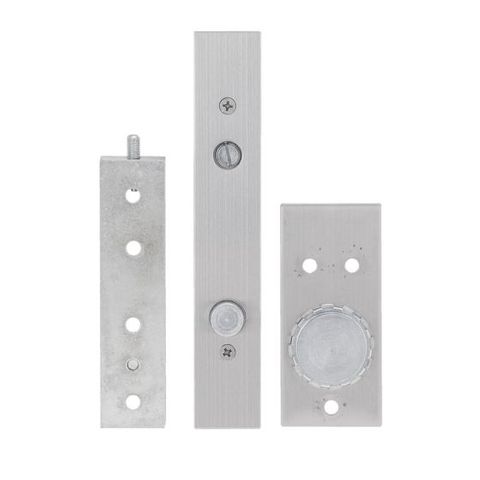
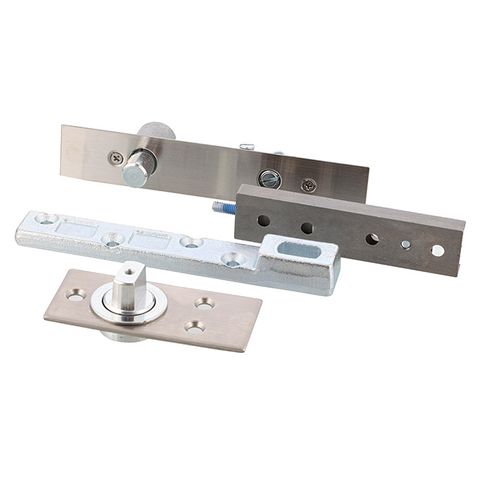
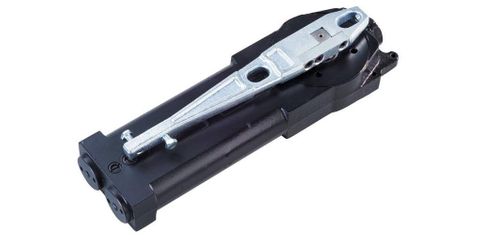
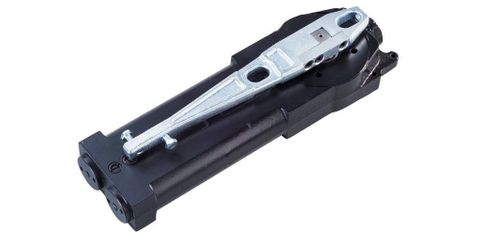
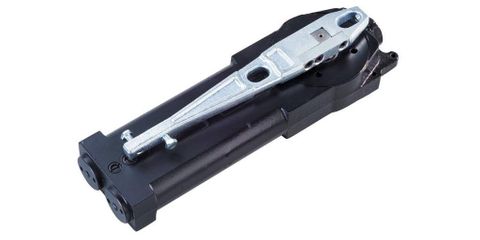
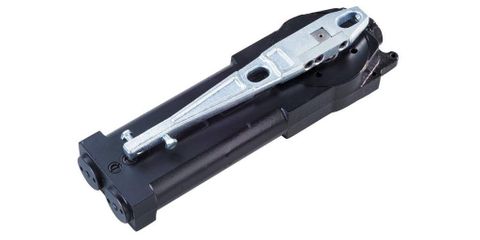
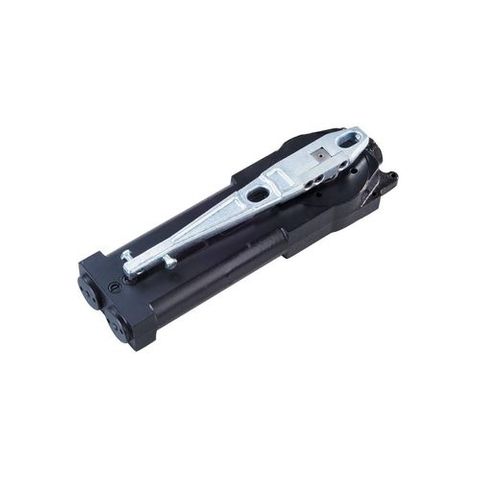
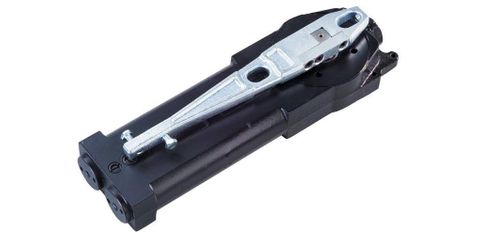
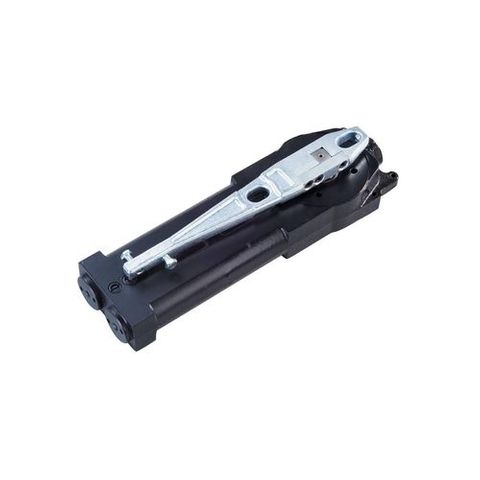
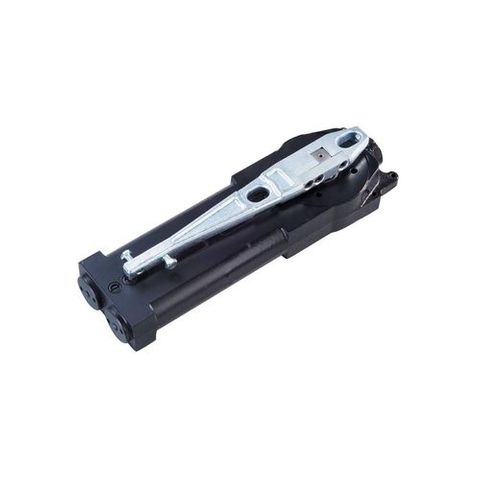
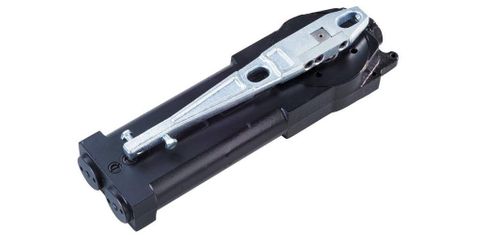

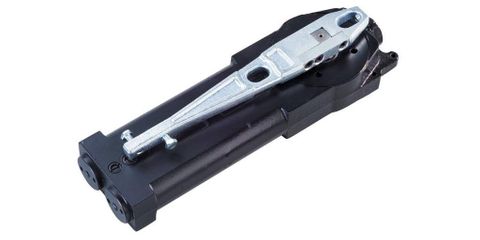

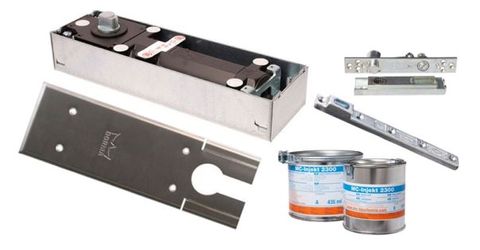
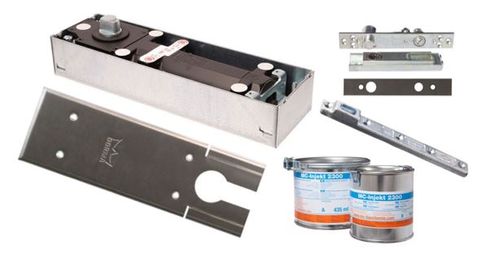
Double Acting Door Hardware
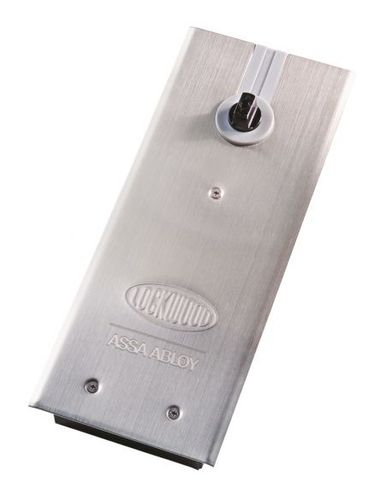
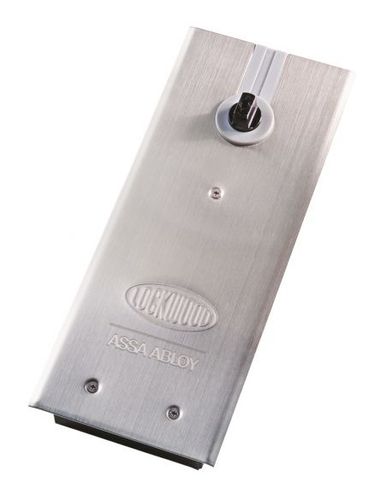
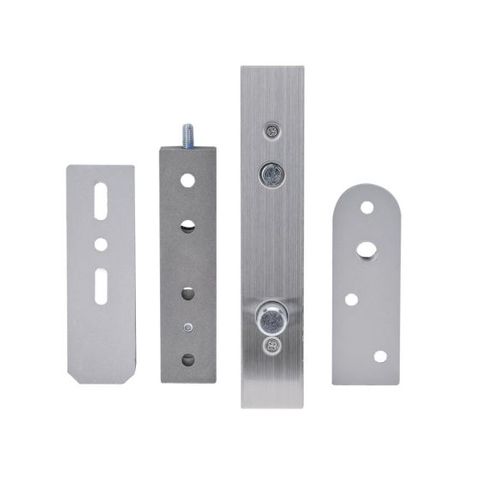
Double acting doors (also called double action doors) are designed to swing both ways—pushing open in either direction and returning smoothly to centre. They’re a popular choice for high-traffic interiors where hands-free movement, fast access, and efficient circulation matter, from hospitality and retail back-of-house to healthcare, education, and modern workplace fitouts. To perform properly, a double acting door needs the right combination of architectural door hardware: pivots or double action hinges, reliable latching and locking where required, appropriate pulls or push plates, and door control that brings the leaf back to a consistent closed position. At John Barnes Group, you can buy double acting door hardware online for residential and commercial projects across Australia, with options suited to contemporary design and demanding daily use.
Why Double Acting Doors Need Purpose-Built Hardware
Unlike a standard hinged door that swings in one direction and stops against a frame, a double acting door is all about controlled movement. The hardware must manage swing in both directions, limit over-travel, reduce impact, and support repeatable “return to centre” performance. The right specification improves flow, reduces noise, protects the door and surrounding walls, and helps the opening feel premium—especially when you’re coordinating modern finishes like matte black, stainless steel, or brass-toned hardware details.
Common Applications for Double Acting Doors
Hospitality, Retail & Back-of-House
Think kitchen pass-throughs, staff-only areas, storage corridors, and service entries. Double acting doors keep traffic moving when staff are carrying trays, stock, or equipment. Hardware choices here typically focus on durability, impact resistance, easy operation, and components that stand up to constant cycles.
Healthcare, Education & Commercial Facilities
In clinics, aged care, schools, and commercial amenities, double acting doors can support smoother circulation and reduce bottlenecks. The hardware system is usually specified for reliability and controlled return-to-close performance—particularly important where doors must not be left drifting open.
Modern Interiors & Feature Openings
In contemporary residential and boutique commercial spaces, double acting doors are sometimes chosen for design-led transitions between zones (for example, pantry-to-laundry or bar-to-living areas). In these settings, the “feel” of the door matters just as much as function—smooth swing, refined detailing, and coordinated premium finishes across visible hardware.
What’s Included in Double Acting Door Hardware
Double Action Hinges & Pivot Systems
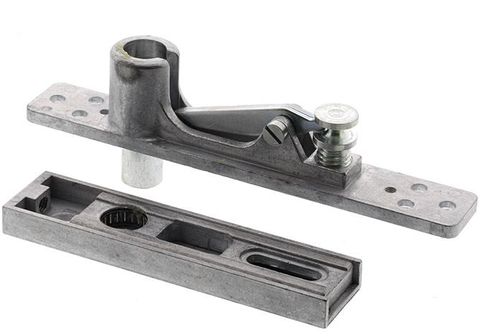
The foundation of a double acting door is the pivoting or hinge mechanism that allows swing in both directions. Depending on door weight, frequency of use, and the look you’re aiming for, this may be a double action hinge solution or a pivot-style setup. Choosing the correct capacity and configuration is critical to long-term alignment and smooth operation—particularly in busy Queensland venues and New South Wales commercial fitouts where doors can be used hundreds of times per day.
Door Closers, Floor Springs & Door Control
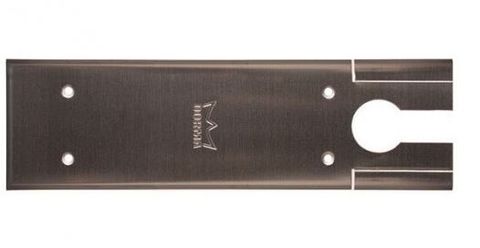
Door control is what makes a double acting door feel “right”. A well-selected door control solution helps manage the swing, reduces slamming, and returns the door reliably—improving comfort and protecting the opening. In commercial environments, Dormakaba door control solutions are commonly specified to support consistent closing performance and reduce wear over time.
Pull Handles, Push Plates & Touch Points
Double acting doors often use pull handles, push plates, or a combination of both to encourage intuitive movement and protect the door face. In high-traffic areas, push plates can reduce surface wear, while pull handles improve grip and control. For projects where aesthetics matter, Zanda and Barben design-focused ranges can elevate the look with modern, contemporary and premium styling—ideal when you want the hardware to complement the broader interior scheme.
Locks, Latches & Access Control (Where Required)
Many double acting doors are free-swinging and unlatching, but some openings still need secure closure, privacy, or controlled access. This is where latches and lockcases come into play—selected to suit the door’s function and how you want the door to behave in day-to-day use. Lockwood solutions are often chosen for robust locking and latching outcomes in demanding commercial applications, while Dormakaba options are frequently used where door control and access requirements need to work together as a system.
Cylinders & Keying Options
If a keyed function is required, compatible cylinders and cylinder accessories become part of the specification. This is especially relevant for staff-only areas, storerooms, or openings that require restricted access. Selecting the right cylinder format and ensuring compatibility with the chosen lock hardware helps deliver smooth operation and consistent security outcomes across a site.
Stops, Hold-Open & Damage Prevention Hardware
Because double acting doors can swing in both directions, controlling the range of motion is essential. Door stops and protection hardware help prevent over-swing into walls, equipment, glazing, or adjacent doors. Hold-open options can also be useful in back-of-house scenarios when moving stock or equipment—reducing frustration and protecting the door from repeated impact.
Strikes, Plates, Edge Hardware & Accessories
The finishing components matter for a professional result: strike plates and keeps (where latching is used), mounting plates, edge hardware, and the small-but-critical accessories that help hardware sit neatly and operate reliably. These details are often what separate a door that “works” from a door that feels intentionally specified as architectural door hardware.
Finishing Details: Seals & Threshold Considerations
Seals and thresholds aren’t usually the headline for double acting doors, but they can be useful in specific environments—such as reducing minor draughts between zones, limiting noise transfer, or improving the overall closing feel. Where included, they should be selected so they don’t create excessive drag or interfere with smooth double action movement.
How to Choose the Right Double Acting Door Hardware
Start with how the door is used: is it an internal opening between busy areas, a back-of-house traffic door, or a design-led feature door at home? Next, consider the door size, weight, and cycle frequency—these factors drive the right pivot/hinge and door control selection. Then decide whether the door should latch or remain free-swinging; that choice determines handles, lock/latch components, and any cylinder requirements. Finally, lock in your aesthetic and finish. Matte black is popular for modern fitouts, stainless steel is a go-to for durability and high-traffic performance, and brass tones can add warmth for premium residential and boutique commercial interiors. Coordinating across visible hardware—handles, plates, locks, and accessories—helps the opening look cohesive.
Residential and Commercial Compatibility
Double acting door hardware is commonly specified in commercial environments, but the same principles apply in residential builds where double action doors are used for function and flow. For residential, comfort and design are often front and centre—quiet movement, refined touch points, and a cohesive contemporary finish. For commercial, durability and repeatable performance matter most—hardware that resists wear, protects the opening, and maintains smooth return-to-centre behaviour over time. Across both, trusted ranges from Lockwood and Dormakaba support performance-driven specifications, while Zanda and Barben offer premium styling options to match modern interiors.
Local Support in Brisbane, Queensland, New South Wales & Australia-Wide
From Brisbane projects to wider Queensland fitouts, double acting doors are a practical solution for busy buildings and high-traffic interiors. John Barnes Group also supports customers across New South Wales and delivers Australia-wide, making it easier to source consistent double acting door hardware for multi-site operations, staged refurbishments, and new builds. Whether you’re upgrading a single internal doorway or standardising hardware across a facility, this category helps you build a complete, compatible hardware set—not just one component.
Frequently Asked Questions
What is a double acting door?
A double acting door is designed to swing open in both directions and return to a closed position. It’s commonly used where fast movement and two-way traffic flow are important, such as hospitality, retail back-of-house, and busy commercial interiors.
What hardware do I need for a double acting door?
Most double acting doors require a double action hinge or pivot system, door control (often to return the door smoothly), and suitable touch points like pull handles and/or push plates. Depending on the application, you may also need latches/locks, cylinders, stops, strikes, plates and other accessories.
Do double acting doors need a door closer?
Many do. Door control helps manage swing in both directions, reduces slamming, and improves the door’s return-to-close behaviour. In higher-traffic commercial environments, controlled closing is often a key part of achieving consistent performance.
Can a double acting door be locked?
Yes—where security or access control is required, compatible locks and cylinders can be specified. The key is choosing locking and latching hardware that suits the door’s operation and the desired day-to-day behaviour (free-swinging vs latching).
Are double acting doors suitable for internal and external use?
They’re most common as internal doors, especially between busy zones. External use is less common and typically depends on the site conditions, security needs and how the opening is managed. If you’re considering an external application, focus on selecting hardware built for the environment and intended traffic.
What’s the best handle option for double acting doors?
Pull handles and push plates are popular because they support intuitive two-way movement and handle frequent use well. In design-led spaces, premium handle styles and coordinated finishes can help the door look intentional while remaining practical.
Which finishes work best for double acting door hardware?
Matte black suits modern and contemporary interiors, stainless steel is ideal for durability in commercial settings, and brass tones can add warmth in premium residential and boutique commercial projects. Coordinating finishes across handles, plates, locks and accessories delivers a cleaner overall result.
Which brands are commonly used for double acting door hardware?
Lockwood is a trusted choice for robust locking and latching outcomes, and Dormakaba is commonly specified for commercial-grade door control and dependable performance. For premium styling and architectural detailing, Zanda and Barben ranges can help achieve a cohesive modern look.
Why Choose John Barnes Group?
John Barnes Group helps you specify complete double acting door hardware systems that perform reliably and look cohesive. With trusted performance options from Dormakaba and Lockwood, plus design-forward choices from Zanda and Barben, you can align door control, access function, durability and finish in one place. Based in Brisbane and supporting customers across Queensland, New South Wales and Australia-wide delivery, we make it easier to source architectural door hardware that suits high-traffic commercial spaces and refined modern interiors alike.