
Proprietary Fire Door
-
$110.61 inc GSTPrice:$100.55 ex GST
-
$153.21 inc GSTPrice:$139.28 ex GST
-
$162.66 inc GSTPrice:$147.87 ex GST
-
$30.93 inc GSTPrice:$28.12 ex GST
-
$30.71 inc GSTPrice:$27.92 ex GST
-
$22.72 inc GSTPrice:$20.65 ex GST
-
$32.12 inc GSTPrice:$29.20 ex GST
-
$25.39 inc GSTPrice:$23.08 ex GST
-
$47.95 inc GSTPrice:$43.59 ex GST
-
$122.51 inc GSTPrice:$111.37 ex GST
-
$130.66 inc GSTPrice:$118.78 ex GST
-
$44.40 inc GSTPrice:$40.36 ex GST
-
$44.08 inc GSTPrice:$40.07 ex GST
-
$46.62 inc GSTPrice:$42.38 ex GST
-
$121.09 inc GSTPrice:$110.08 ex GST
-
$181.67 inc GSTPrice:$165.15 ex GST
-
$104.94 inc GSTPrice:$95.40 ex GST
-
$63.95 inc GSTPrice:$58.14 ex GST
-
$209.28 inc GSTPrice:$190.25 ex GST
-
$209.77 inc GSTPrice:$190.70 ex GST
-
$476.28 inc GSTPrice:$432.98 ex GST
-
$710.78 inc GSTPrice:$646.16 ex GST
-
$666.09 inc GSTPrice:$605.54 ex GST
-
$130.16 inc GSTPrice:$118.33 ex GST
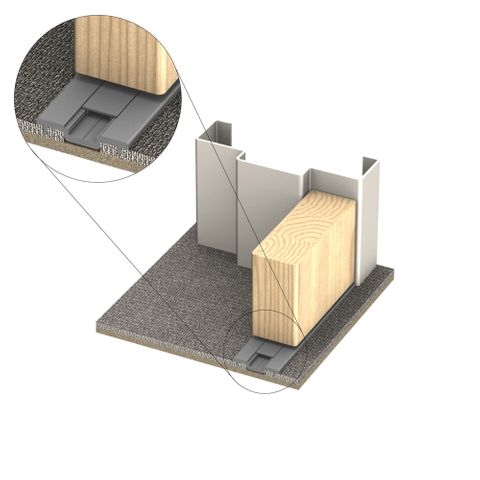
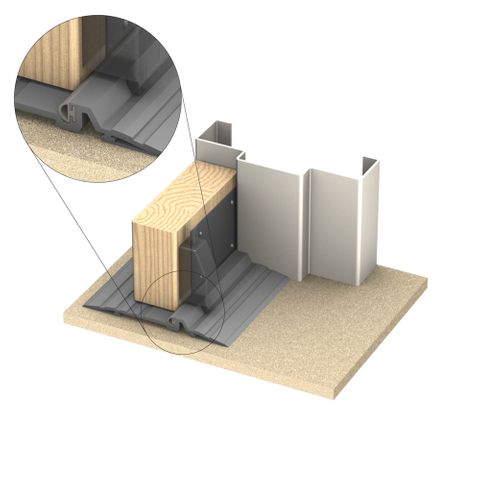
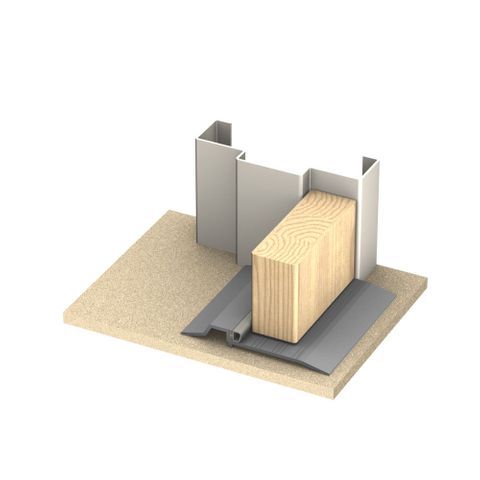
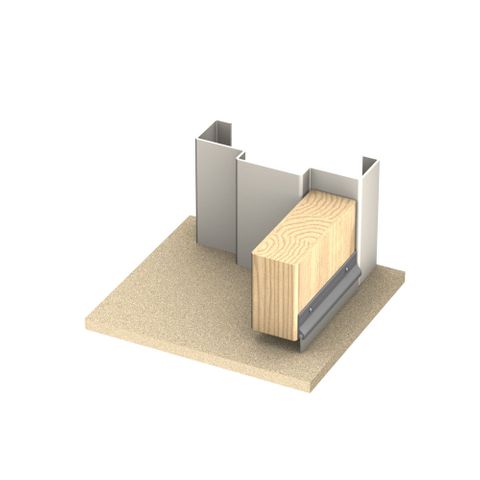
Proprietary Fire Door Hardware
Proprietary fire doors are purpose-designed door sets used to help manage fire and smoke risk within buildings—common in commercial corridors, stairwells, plant rooms, service risers and apartment lobbies, as well as selected residential applications where a rated solution is specified. Getting the hardware right is essential: the best fire door is only as functional as the components that help it close, latch, secure and withstand daily use. In this category, you can buy proprietary fire door hardware online for a complete, compatible setup—covering handles and pulls, locks and latches, cylinders, hinges or pivots (where applicable), door closers, bolts, stops, strikes/plates and the accessories that help keep the door performing as intended.
Why Fire Door Hardware Selection Matters
Fire doors operate under higher expectations than standard internal doors. They’re often high-traffic, frequently abused, and expected to close reliably every time—without binding, slamming or failing to latch. The right architectural door hardware supports:
Consistent self-closing: smooth controlled closing that returns the leaf to the frame.
Positive latching: dependable latch engagement without excessive force or misalignment.
Durability in high-cycle areas: components that stand up to repeated operation in commercial settings.
System compatibility: hardware that suits the proprietary door leaf/frame design and site requirements.
For sites in Brisbane and across Queensland—where building traffic, humidity and constant use can accelerate wear—selecting robust, proven hardware is a practical investment. The same applies across New South Wales and Australia-wide, especially in multi-residential, education and healthcare environments.
What’s Included in Proprietary Fire Door Hardware?
Handles, Levers & Pull Handles
Handles are the most frequent touchpoint, so they need to feel solid and perform consistently. Lever furniture is commonly used on latching fire doors for everyday access, while pull handles may be specified on certain openings where the locking/latching design supports it. For a cohesive fitout, popular finishes include stainless steel for durability and ease of cleaning, and matte black for modern, contemporary interiors. Where an elevated look is required without sacrificing practicality, Zanda and Barben options can provide premium styling that still suits commercial-grade expectations.
Locks, Latches & Fire Door Lock Cases
Locking and latching is core to performance. Passage and privacy functions are common on internal fire doors depending on room use, while keyed functions are often used for risers, plant rooms, tenancy separations and controlled-access areas. Lockwood is widely selected for robust lock and latch solutions that suit demanding environments, while Dormakaba options are often used where broader door control and commercial hardware integration is needed. The key is selecting a lock case and latch function that matches the door’s intended use, access needs and traffic profile.
Cylinders, Keying & Access Compatibility
Where keyed access is required, compatible cylinders and cylinder accessories become part of the system. For facility managers and multi-site operators, standardising cylinder formats and keying strategies helps streamline maintenance and future replacements. In commercial projects across Queensland and New South Wales, this can be particularly useful where fire doors appear in repeated locations throughout a building or across a portfolio.
Hinges and Load-Bearing Hardware
Fire doors are often heavier than standard doors, so hinge selection matters. Hinges should be selected for door mass, frequency of use, and the way the proprietary frame/leaf is prepared. Correct hinge specification helps maintain alignment, reduces hinge wear, and supports reliable latching over time. In high-use openings, choosing dependable hinge hardware is one of the simplest ways to reduce call-backs and ongoing adjustment issues.
Door Closers & Controlled Closing
In many fire door applications, controlled self-closing is a key functional requirement. A properly selected door closer helps the door close smoothly, avoid slamming, and consistently return to a fully closed, latched position. Dormakaba door closers are a common choice in commercial environments where control, adjustability and durability matter. Correct closer selection should consider door size, weight, usage levels, and site conditions such as air pressure differentials that can affect closing action.
Bolts, Flush Bolts & Double Door Hardware
Where proprietary fire doors are configured as pairs, additional hardware may be required to manage the inactive leaf and maintain proper alignment. Flush bolts and matching keeps/strikes support stable closure and help the active leaf latch reliably. Hardware selection should suit the door configuration and operational needs—especially in corridors, plant access points and larger openings where doors see frequent movement.
Strikes, Keeps, Plates & Door Frame Hardware
Even the best lock won’t perform if the strike and keep aren’t right. Correct strike selection supports smooth latch engagement and reduces wear on both the latch and the frame. Protective plates and finishing trims can also help in high-traffic environments, reducing damage to door faces and improving long-term appearance—particularly in commercial corridors and shared building areas in Brisbane CBD projects, Queensland health/education sites, and New South Wales multi-residential developments.
Door Stops, Buffers & Impact Protection
Fire doors are often installed near walls, glazing and high-traffic corners. Door stops and buffers protect the door, frame and surrounding finishes from damage caused by over-swing or impact. Selecting the right stop type (floor, wall or overhead) helps preserve the integrity of the opening and reduces maintenance. In busy commercial environments, stops are a small inclusion that can prevent expensive repairs later.
Finishing Details (Minor): Seals, Thresholds & Gap Management
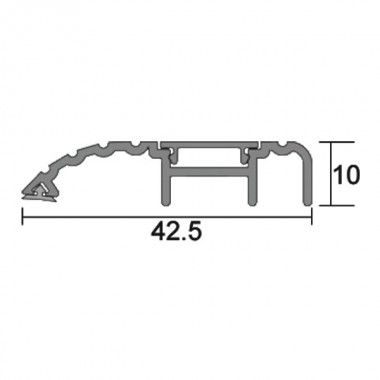
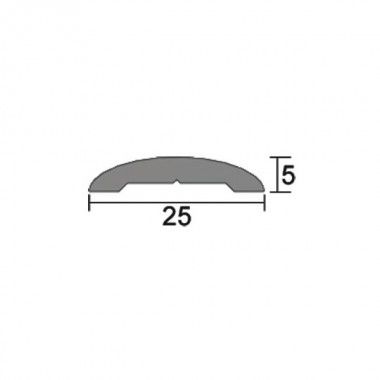
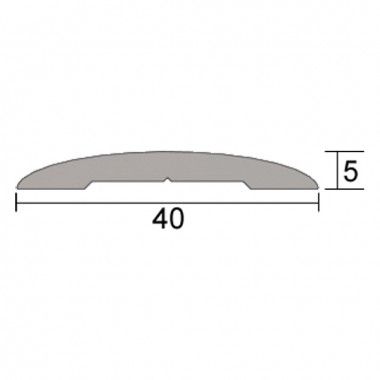
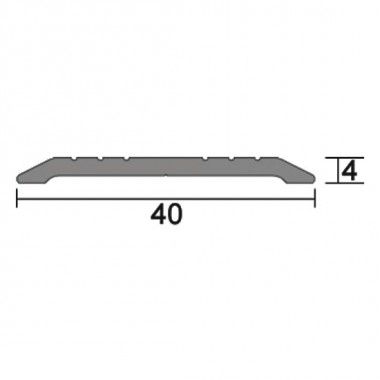
While this category focuses on the full range of hardware—not seals—some proprietary fire door setups may also require compatible finishing components to manage gaps, smoke control strategies, or site comfort needs. Where relevant, these details should be selected to suit the door set requirements and installed in line with the door manufacturer’s guidance.
Choosing Hardware for Proprietary Fire Doors
Because proprietary fire doors are typically part of an engineered door set, hardware selection should be system-led. Practical considerations include door size and weight, traffic level, internal vs external exposure, required function (passage, privacy, keyed, restricted access), and the building’s operational needs.
Match the Hardware to the Door Set
Always select hardware that is intended for use on the specific proprietary door type and configuration. Where the project requires fire-rated performance, choose products that are appropriately verified for that purpose and align with the door set documentation. This is especially important for locks/latches, closers, hinges and any components that require door prep.
Plan for High-Cycle Performance
Many fire doors are located in high-traffic areas such as corridors and stairwell access points. Commercial-grade hardware reduces downtime and helps maintain consistent door operation. Brands like Lockwood and Dormakaba are frequently chosen in these settings for their strong track record in commercial architectural door hardware.
Coordinate the Look Without Compromising Function
Even in strictly functional areas, finish consistency improves the overall presentation of a building. Stainless steel remains a popular, practical choice. Matte black is increasingly specified for contemporary projects and premium interiors, while brass tones can be used selectively where the broader design language calls for warmth. Zanda and Barben ranges can help align the aesthetic across lever sets, pulls and accessories while keeping the selection suitable for commercial expectations.
Residential and Commercial Applications
Commercial Corridors, Stairwells & Shared Spaces
These openings demand reliable closing, robust latching, and impact protection. Door closers, durable levers, and correctly specified strikes and stops are common priorities. Standardising hardware selections across a site makes future maintenance simpler—useful for facility managers across Queensland and New South Wales.
Plant Rooms, Risers & Service Doors
Security and durability are often the focus here. Keyed locking, compatible cylinders and hard-wearing lever furniture are typical. Hardware should be chosen to withstand frequent use by building staff and contractors without falling out of alignment.
Multi-Residential & Tenancy Separation
In apartment buildings and mixed-use projects, proprietary fire doors may be used in common areas and tenancy transitions. A balance of reliable function and clean design is often required—where finish consistency and user-friendly operation matter just as much as longevity.
Local Support: Brisbane, Queensland, New South Wales & Australia-Wide
John Barnes Group supports proprietary fire door hardware needs for projects and maintenance teams in Brisbane and throughout Queensland, with strong capability to supply New South Wales requirements and deliver Australia-wide. Whether you’re fitting out a new building, replacing worn components on high-traffic doors, or standardising hardware across multiple sites, this category helps you source compatible architectural door hardware designed for demanding environments.
Frequently Asked Questions
What hardware is typically required for a proprietary fire door?
A typical setup can include lever handles or pulls, a lock or latch (passage, privacy or keyed), hinges suited to the door weight, a door closer where required, strikes/keeps, and protective accessories such as stops and plates. Double door configurations may also need flush bolts and related hardware.
Can I use standard door hardware on a proprietary fire door?
It depends on the door set requirements. Proprietary fire doors often require hardware that matches the system’s preparation and performance needs. Where fire-rated performance is required, select hardware that is intended and appropriately verified for that application and aligns with the door set documentation.
Which components most affect reliable closing and latching?
Door closers, hinges and the lock/latch (plus the correct strike/keep) have the biggest impact on consistent closing and positive latching. If any of these are underspecified or mismatched, doors can bind, slam, or fail to latch reliably.
Do proprietary fire doors always need a door closer?
Many commercial fire door applications use closers to support controlled self-closing and consistent latch engagement, but requirements can vary by building and door set. Selecting the right closer depends on door size, weight, usage frequency and site conditions.
What finishes are best for proprietary fire door hardware?
Stainless steel is a common choice for durability and low maintenance in commercial environments. Matte black suits modern, contemporary fitouts, and brass tones can be used where a premium aesthetic is desired. Coordinating finishes across levers, locks, closers and accessories helps keep the opening consistent.
Are Lockwood and Dormakaba suitable for proprietary fire door applications?
Lockwood and Dormakaba are widely used in commercial architectural door hardware specifications, including high-traffic environments where reliability matters. As with any proprietary fire door, ensure the specific product selection matches the door set requirements and intended function.
What’s the best approach for multi-site or staged upgrades?
Standardise key components (lever/trim style, lock function, cylinder format, closer type and finish) across sites where possible. This simplifies maintenance, reduces future replacement complexity, and keeps presentation consistent—particularly helpful for portfolios across Queensland, New South Wales and Australia-wide.
Can seals and thresholds be added to proprietary fire doors?
Some door sets may use compatible finishing components to manage gaps or meet site comfort needs, but these should be selected carefully to suit the proprietary system. Always follow the door set guidance and ensure any additions don’t interfere with closing and latching performance.
Why Choose John Barnes Group?
John Barnes Group helps you source proprietary fire door hardware as a complete, coordinated solution—so your openings close smoothly, latch reliably and stand up to high-cycle use. With trusted commercial ranges from Dormakaba and Lockwood, plus premium design options from Zanda and Barben for projects where finish matters, we support both residential and commercial requirements. From Brisbane across Queensland to New South Wales and Australia-wide delivery, we make it easier to maintain consistency, simplify upgrades and keep fire door hardware performing as intended.